
In This Article
Here’s an uncomfortable truth about men’s running tights: price and lifespan are only loosely related. Scroll any retailer page and you’ll find glowing reviews for budget pairs and grumpy ones for premium pairs, sometimes a few lines apart. So the real question isn’t “how much should I spend?” It’s whether cheap men’s running tights that last are findable at all, and how to spot them before your card is charged.

They are findable. But you have to read a garment the way a tailor does, not the way a shopper does. That means checking seam construction quality, understanding why pilling after washing happens, and working out the price-to-durability ratio instead of eyeballing a sticker. Technically, running tights are just opaque, heavier-weight stretch legwear. The gap between a great pair and a dud hides in details that never fit on a hang tag.
A quick note on method: I haven’t worn these pairs. What follows is spec analysis, aggregated reviewer sentiment from retailer pages and gear roundups, and some blunt reasoning about what the numbers mean for your legs and your wallet. Where review data is thin, I’ll say so rather than dress it up.
Along the way we’ll cover affordable men’s compression leggings for running, the maths behind a men’s budget running leggings multipack, and seven real pairs worth your attention in 2026. Let’s get into it.
Quick Comparison: 7 Budget-Friendly Men’s Running Tights at a Glance
| Product | Fabric (as listed) | Price Range | Standout | Best For |
|---|---|---|---|---|
| Under Armour HeatGear Armour Leggings | 84% polyester / 16% elastane | $35-$45 range | Compression, seams moved off high-wear zones | Warm-weather runs, base layer |
| Nike Pro Dri-FIT Tights | 90% polyester / 10% spandex | $35-$45 range | Flat seams, side pocket | Gym-to-road versatility |
| baleaf Men’s Thermal Running Tights | Fleece-lined, water-resistant | $35-$50 range | Ankle zips, three pockets | Cold runs on a budget |
| Runhit Men’s Compression Pants (2-Pack) | Compression knit (varies by listing) | Under $40 | Two pairs, large pockets | Budget rotation |
| Real Essentials 3-Pack Men’s Compression Pants | Moisture-wicking compression knit | Under $40 for three | Three pairs, Big & Tall sizing | Lowest cost per pair |
| Under Armour Fly Fast HeatGear Tights | Check the label | $55-$75 range | Named a “best budget” pick by a trail-running outlet | A step up from basics |
| Patagonia Endless Run Tights | Check the label | Around $100 | Mild-weather benchmark | Long-haul durability |
Looking at the table, the Nike Pro Dri-FIT Tights and Under Armour HeatGear Armour Leggings sit in the same price band but chase different runners: Nike Pro is slim and versatile, while HeatGear Armour is tighter and thinner. Anyone running in real cold should skip both and look at the baleaf Men’s Thermal Running Tights. The two multipacks win on price per pair but ask you to trust a thinner pool of verifiable reviews.
💬 Just one click — help others make better buying decisions too!😊
Top 7 Men’s Running Tights for the Money: Expert Analysis
Each pick below gets the same treatment: what the specs mean in practice, who it suits, what reviewers consistently say, and a value verdict. Prices are ranges because they move constantly, so check current price before buying.
1. Under Armour HeatGear Armour Leggings — compression with seams kept off high-wear zones
The headline here is design, not fabric. Under Armour says it positioned seams away from high-abrasion areas to extend life, which speaks to the exact failure point of most cheap men’s running tights. The body is 84% polyester and 16% elastane, with 92/8 mesh gusset panels, a 28-inch inseam, a right-side drop-in pocket and an ultra-tight, second-skin fit.
That elastane share is generous for the category. Expect firm compression, but also a lightweight fabric that works as a warm-weather layer rather than a winter one. On paper, these suit runners who want a snug base layer under shorts and don’t mind thinness.
Reviewer sentiment is mostly warm: retailer pages show ratings from the mid-4s to the high-4s out of 5, with fit and comfort praised. The caveats are real, though. One REI reviewer reported stitching coming undone after only a few wears, and another called the fabric very thin.
Pros:
- ✅ Seams repositioned away from high-abrasion areas
- ✅ Snug compression with four-way stretch
- ✅ Mesh gusset for ventilation
Cons:
- ❌ Thin fabric, not a cold-weather pair
- ❌ Some reviewers report early stitching failures
Price range: $35-$45. Good value if you land a solid pair, with a modest quality-control gamble.

2. Nike Pro Dri-FIT Tights — flat seams and a side pocket in a familiar package
The standout is the flat-seam finish. A retailer description for the Nike Pro Dri-FIT Tights says flat seams prevent chafing, which matters more over a 10-miler than any logo does. The body is 90% polyester and 10% spandex with 92/8 mesh panels, and Nike states at least 75% recycled polyester.
That 10% spandex means a slim, supportive fit that’s less aggressive than the Under Armour HeatGear Armour Leggings. It’s a comfortable pick if you want one pair for lifting, soccer and easy runs. The side stash pocket is sized for keys and a card, not a modern phone, so plan your gear around that.
Verifiable review data is solid: a 3/4-length version showed roughly 4.6 out of 5 across 87 reviews on one retailer page, mostly praising comfort and quality. It’s not unanimous, though. One retailer review gave three stars and called the pair a disappointment, so quality control can vary.
Pros:
- ✅ Flat seams to limit chafing
- ✅ Recycled polyester content
- ✅ Comfortable slim fit for mixed training
Cons:
- ❌ Pocket too small for a phone
- ❌ A few reviewers report disappointing pairs
Price range: $35-$45. A dependable middle-of-the-road buy.
3. baleaf Men’s Thermal Running Tights — fleece-lined warmth with ankle zips
The ankle zippers are the hook. Anyone who has wrestled tights over running shoes in a dark driveway understands why. The listing describes a fleece lining, water-resistant fabric, two side patch pockets, a zippered back pocket for a phone, a reflective logo and a drawcord waist.
The brand claims warmth in the 20-50°F range, but one roundup describes the fleece as thin and best suited to roughly 40-70°F. Treat the true window as somewhere in between. “Water-resistant” also means splash protection, not a downpour.
On review data, I couldn’t verify strong rating counts for this exact men’s model on the listings I checked, so lean on roundup consensus. Reviewers tag it as a budget cold-weather pick, and one roundup says the fabric held up to repeated washing without pilling. That’s a single source, so weigh it accordingly.
Pros:
- ✅ Ankle zips make shoe-on dressing easy
- ✅ Phone-sized back zip pocket
- ✅ Reflective detail for dark mornings
Cons:
- ❌ Fleece is thin for deep winter
- ❌ Limited verifiable long-term review data
Price range: $35-$50. Best value for the cold, as long as you’re realistic about the warmth.
4. Runhit Men’s Compression Pants (2-Pack) — two pairs, big pockets
The pitch is rotation. The listing describes elastic bands at the waist and thigh, moisture-wicking fabric and double pockets large enough for a big smartphone. A fleece-lined thermal version also exists for winter.
That thigh band is a double-edged detail. It adds hold, but on bigger quads it can bite, so check the size chart carefully. Two pairs also means you can alternate days, which spreads wear and helps prevent the pilling-after-washing spiral.
Review volume here is genuinely large. A UK Amazon listing tracked by a deal site showed roughly 4.5 out of 5 across more than 9,000 reviews, and one US roundup calls the two-pack standout value. US listings will differ, but the sample size is a good sign.
Pros:
- ✅ Two pairs for one low price
- ✅ Large pockets for a phone
- ✅ Very large review base on the UK listing
Cons:
- ❌ Thigh bands may feel tight on larger legs
- ❌ Fabric blend varies by listing
Price range: under $40. Strong value for beginners and rotation-minded runners.
5. Real Essentials 3-Pack Men’s Compression Pants — three pairs, Big & Tall sizing
The standout is Big & Tall availability, which most budget compression lines skip. The listing describes moisture-wicking compression fabric for running, cycling and the gym. It’s a three-pack priced well under what one name-brand pair costs.
My honest take: this is a rotation play, not a performance play. Three pairs mean each one is worn less often, and that matters more for durability than any marketing claim. The trade-off is that cheap multipack fabrics tend to be lighter, so check opacity before heading out in anything pale.
Verifiable reviews are sparse. Marketplace listings I found showed ratings between roughly 4.2 and 4.8 out of 5 on only 67-71 reviews, and those listings can vary by seller. I wouldn’t treat them as proof of long-term durability.
Pros:
- ✅ Three pairs for a very low price
- ✅ Big & Tall sizing available
- ✅ Great for training-and-laundry rotation
Cons:
- ❌ Small verifiable review pool
- ❌ Likely lighter, thinner fabric
Price range: under $40 for three. Good value if you buy it for rotation, not for longevity bragging rights.
6. Under Armour Fly Fast HeatGear Tights — a step-up pair a tester called best budget
iRunFar named the Under Armour Fly Fast HeatGear Tights its best budget pick, at roughly $65 in that guide. The tester noted obvious differences from tights costing twice as much, and praised HeatGear technology at a more affordable price. I couldn’t verify fabric composition across current listings, so read the label before buying.
The logic of this tier is straightforward. You’re paying for a cut and finish aimed at running rather than general training. If you log three or more runs a week, the extra $20-$30 over a basic pair is a reasonable bet, though not a guarantee.
I also couldn’t verify rating counts for this specific model. That makes this the most “trust the tester” entry on the list, so I’d favor retailers with generous return windows.
Pros:
- ✅ Tested and labeled best budget by a trail-running outlet
- ✅ Established brand with broad size availability
- ✅ A running-focused step above basic base layers
Cons:
- ❌ Noticeably pricier than multipacks
- ❌ Limited verifiable review data
Price range: $55-$75. Worth it for regular runners who want fewer surprises.
7. Patagonia Endless Run Tights — the premium yardstick
At around $100, the Patagonia Endless Run Tights aren’t cheap. They earn a spot as the benchmark for the price-to-durability ratio. iRunFar names them its best pick for mild weather, and one gear roundup says quality tights like these last toward three years.
That claim is the whole point. If a pair really lasts three years of regular use, the cost per wear can beat a $35 pair that retires after one winter. It’s a big “if,” because one roundup claim isn’t a lab test, and REI’s listing showed a strong 4.5 out of 5 on only four reviews.
Frame it as a yardstick. If your cheap pairs keep dying, step up here. If they’re surviving, you’ve already won.
Pros:
- ✅ Top pick for mild weather in iRunFar’s roundup
- ✅ Claimed multi-year lifespan
- ✅ Refined running-specific design
Cons:
- ❌ Around triple the cost of basic pairs
- ❌ Small review samples on retailer pages
Price range: around $100. Best value only if you run often and wear it for years.
What Are Men’s Running Tights?
Men’s running tights are close-fitting, stretch-fabric leggings that cover the leg from waist to ankle, typically made from polyester or nylon blended with elastane. They wick sweat, reduce thigh-on-thigh friction, add warmth in cool weather, and sometimes offer light compression. Unlike casual leggings, they’re built to survive constant stretching, sweating and washing.
Within that definition sit a few distinct types. Full-length tights suit cool weather, 3/4-length versions suit mild days, and compression pairs prioritize hold. Thermal pairs, like the baleaf Men’s Thermal Running Tights, add a fleece lining for winter. Most pairs also work as base layers under shorts or loose pants, which is why a single purchase can cover running, lifting and cold-weather commuting.

How to Choose Men’s Running Tights on a Budget
- Read the fabric label first. Polyester or nylon blended with elastane is the standard. The pairs above range from roughly 10% elastane (Nike Pro Dri-FIT Tights) to 16% (Under Armour HeatGear Armour Leggings), and more elastane generally means a tighter, more compressive hold.
- Check the seams. Flat or flatlock seams that stay away from the inner thigh limit chafing. We’ll dig into seam construction quality shortly.
- Match weight to temperature. One gear guide suggests light tights for roughly 50-60°F, full tights for 30-50°F and thermal pairs below 30°F, noting that tights above 60°F tend to feel too warm within a mile or two.
- Decide on compression. Want hold and a base-layer feel? Choose compression. Want freedom? Go relaxed.
- Sanity-check the extras. Ankle zips and secure pockets are useful, but they shouldn’t outrank fabric and seams.
- Run the cost-per-wear math. A multipack or a durable pair beats a bargain that dies in a season.
- Read the three-star reviews. They usually describe real failures without the drama of one-star rants.
Price-to-Durability Ratio: How to Actually Calculate It
The price-to-durability ratio is simple: what you pay divided by how many wears you get before the pair is retired. The tricky part is that nobody publishes that second number, so you have to estimate it from review patterns and care habits.
The table below uses purely illustrative assumptions, not lab data. Swap in your own numbers to see how the math shifts.
| Scenario | Example | Assumed Spend | Assumed Wears | Cost Per Wear | Best For |
|---|---|---|---|---|---|
| Single budget pair | Nike Pro Dri-FIT Tights | Around $40 | 60 | About $0.67 | Casual runners |
| Budget multipack | Real Essentials 3-Pack Men’s Compression Pants | Around $40 (three pairs) | 180 (60 each) | About $0.22 | Rotation lovers |
| Mid-tier pair | Under Armour Fly Fast HeatGear Tights | Around $65 | 150 | About $0.43 | Regular runners |
| Premium pair | Patagonia Endless Run Tights | Around $100 | 300 | About $0.33 | Frequent runners |
In this illustration, the multipack wins by arithmetic, but only if each pair truly survives 60 wears. A cheap pair that quits at 30 wears erases the advantage. The premium pair looks pricey up front but competes if it reaches multi-year life. Your own habits matter most, so track how long each pair actually survives.
Seam Construction Quality: What to Check Before You Buy
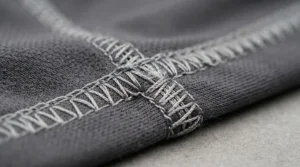
Seams are where cheap tights usually fail first, and for good reason. They take the repeated stretch and rub of every stride. According to Threads magazine, industrial flatlock machines use up to six threads and abut the cut edges instead of overlapping them. That leaves no seam allowance to add bulk or cause chafing.
The same source notes that imitation flatlock made on a home serger uses fewer threads and lacks a backup if one breaks. It recommends keeping that technique to low-stress garments, not leggings. The takeaway for shoppers is that “flat seam” claims aren’t all equal, and thread count and stitch density matter.
Quick checks you can do at home or in a store:
- Run a finger down the inner-thigh seam. It should feel flat, not ridged.
- Gently stretch a seam sideways and watch for gaps between stitches.
- Inspect the crotch gusset, where multiple seams meet.
Remember that claims like “ergonomic design keeps seams off high-abrasion areas” are marketing until real-world wear proves them. One REI reviewer reported stitching coming undone on a Under Armour HeatGear Armour Leggings pair after only a few wears, while a different retailer’s reviewers called seams unnoticeable. Both stories can be true.
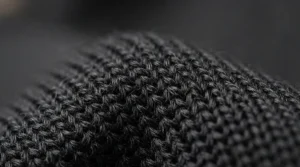
Pilling After Washing: Why It Happens and What It Signals
Pilling after washing is the tiny fuzz-balls that show up on thighs and the inner leg. It happens when loose fibers tangle under friction. Synthetics such as polyester and nylon are frequent offenders because their smooth surfaces and low moisture absorption increase friction.
Where it appears tells a story. Pilling on leggings typically shows up where fabric rubs together, such as the crotch and inner thigh. One laundry expert quoted by TODAY argues pills come mostly from wearing and exposure, not washing alone, though rough laundering clearly adds friction.
Is pilling a quality warning? Sometimes. Another fabric-care source notes synthetic-heavy fabrics often keep pilling through their lifespan, so early heavy pilling can signal lower-grade yarn. But light pilling in friction zones is normal even on decent pairs.
A pill-shaver or sweater comb handles light cases. Just remember that if the cause is abrasion from running, pills return whenever the rubbing does. The care routine below slows the cycle, and rotating pairs (a men’s budget running leggings multipack’s great trick) reduces how often each pair takes the beating.
Affordable Men’s Compression Leggings for Running: Do They Help?
Compression is the most overpromised feature in budget running gear, so let’s ground it. A 2017 meta-analysis of 23 studies in Sports Medicine found compression garments gave small but very likely recovery benefits. Gains were biggest for strength recovery after resistance exercise.
Two details matter for shoppers. First, the analysis found the benefit wasn’t significantly influenced by pressure level, which suggests you don’t need costly engineered pressure mapping to capture what the evidence supports. Second, a separate systematic review of distance running reported no beneficial effect on racing performance. Don’t buy compression expecting speed.
So the honest case for affordable men’s compression leggings for running is practical: support, warmth, less thigh friction and possible recovery perks. For that job, the Under Armour HeatGear Armour Leggings, Runhit Men’s Compression Pants (2-Pack) and Real Essentials 3-Pack Men’s Compression Pants are reasonable candidates. The evidence doesn’t justify paying extra for a compression number printed on a tag.
Men’s Budget Running Leggings Multipack: Smart Buy or False Economy?
A men’s budget running leggings multipack can be the smartest move in this category, or a pile of mediocre fabric. It depends on how you use it.
The case for it is rotation. Wearing a different pair each day spreads wear, keeps a clean pair always available and lowers the cost per pair dramatically. That’s why the Runhit Men’s Compression Pants (2-Pack) and Real Essentials 3-Pack Men’s Compression Pants look so attractive on paper.
The risks are real, too. Multipack fabrics tend to be lighter, quality can vary between batches, and sheerness is a genuine concern, since one roundup flagged a see-through pair among compression pants. Fit varies across brands as well.
My rule: buy a two-pack first. If seams hold and the fabric stays opaque through a month of washes, then consider a bigger pack. Treat a five-pack as a commitment, not an experiment.
Budget Tights vs Premium Tights: Where the Extra Money Goes
Premium tights typically cost more because of finish, fabric refinement and fit retention, not because they run faster. The table compares general tendencies, not guarantees.
| Factor | Budget Tier (Nike Pro Dri-FIT Tights, multipacks) | Premium Tier (Patagonia Endless Run Tights) |
|---|---|---|
| Fabric | Often lighter weight | Typically more refined knits |
| Seams | Mixed: flat seams on some, complaints on others | Testers expect flat, durable seams in quality tights |
| Lifespan | Varies widely by pair | One roundup claims toward three years |
| Extras | Often pockets and zips | Often cut and materials over gimmicks |
| Best For | Beginners, rotation, trying tights | Frequent runners, long-term value |
The takeaway: premium tights buy consistency more than miracles. If you run twice a week, a good budget pair is likely enough. If you run five days a week, the extra cost may pay back through fewer replacements.
Practical Guide: Washing and Maintenance Schedule for Longer-Lasting Tights
Care is the cheapest durability upgrade available. A laboratory study of sports jerseys found lightweight polyester blends are susceptible to pilling and surface fuzzing, and that pilling resistance predicted seam stability better than abrasion loss. In plain English, protect the fabric surface and you protect the seams.
After every run: turn the tights inside out and air them out before they hit the hamper.
Every wash: use cold water and a gentle cycle, ideally in a mesh bag. The care label on the adidas Techfit COLD.RDY Tights tells you to wash cold, inside out, without bleach or fabric softener. Pilling guides sometimes suggest softener, but for wicking fabrics, follow the label.
Keep them away from rough company: denim, towels and zippers cause abrasion and lint that clings to polyester. Don’t overload the drum either.
Dry: hang dry whenever possible, since less tumbling means less pilling.
Monthly: inspect the crotch and inner-thigh seams, then shave any pills.
First-30-day mistakes to avoid: tossing new tights in a hot dryer, washing them with a hoodie’s metal zipper and skipping the care label.
Real-World Scenarios: Which Pair for Which Runner?
The college student: three easy runs a week, a mild climate and about $40. A Nike Pro Dri-FIT Tights pair, or the Runhit Men’s Compression Pants (2-Pack) for rotation, matches that budget. Both are forgiving for gym days.
The winter commuter: running in the 20-40°F range before sunrise, pockets required. The baleaf Men’s Thermal Running Tights bring ankle zips, a phone pocket and reflective detail, so it’s the sensible pick. Add a light base layer if wind chill bites.
The marathon trainee: five runs a week and a larger budget. Consider the Under Armour Fly Fast HeatGear Tights or Patagonia Endless Run Tights for long runs, with a cheap multipack handling easy days. That hybrid keeps the good pair alive longer.
The bigger-framed runner: the Real Essentials 3-Pack Men’s Compression Pants lists Big & Tall sizing, which helps, but check the size chart and see-through risk before relying on any pair.
✨ Don’t Miss These Budget-Friendly Picks!
🔍 Take your weekly mileage to the next level with these carefully selected men’s running tights. Click any highlighted product name to check current pricing and availability. A smart rotation will help you build a kit that keeps you comfortable, supported
and ready for every mile!
Common Mistakes When Buying Men’s Running Tights
- Buying on compression claims alone. As the research above shows, compression isn’t a speed hack.
- Ignoring sizing quirks. Some brand pages advise sizing up in certain markets, as the adidas Techfit COLD.RDY Tights listings do, so check the size notes.
- Skipping the see-through test. Thin fabrics can turn sheer when stretched, so test in bright light.
- Judging durability by star average. Read the three-star reviews, where failures are described calmly.
- Buying thermal for mild weather. Tights above roughly 60°F can feel too warm within a mile or two, according to one guide.

FAQ
❓ How long do cheap men's running tights usually last?
❓ Is a men's budget running leggings multipack worth buying?
❓ Can I wear affordable men's compression leggings for running under shorts?
❓ What temperature are men's running tights best for?
❓ How do I stop pilling after washing?
Conclusion
So, do cheap men’s running tights that last exist? Yes, with conditions. The Nike Pro Dri-FIT Tights and Under Armour HeatGear Armour Leggings are sensible budget starting points, the baleaf Men’s Thermal Running Tights handle cold mornings on a budget, and the Runhit Men’s Compression Pants (2-Pack) and Real Essentials 3-Pack Men’s Compression Pants make rotation cheap. Step up to the Under Armour Fly Fast HeatGear Tights or Patagonia Endless Run Tights if you run often and want fewer replacements.
The big lessons haven’t changed. Check seams, expect some pilling after washing and judge by the price-to-durability ratio, not the sticker. Treat compression as a comfort feature, not a speed hack, and let your care routine do the heavy lifting.
Whichever pair you choose, buy smart, rotate and wash gently. Your legs and your wallet will thank you.
✨ Ready to build your rotation?
🏃♂️ Click any highlighted product name above to check current pricing and availability, then lace up and enjoy the miles!
Recommended for You
- Men’s Trail Running Shorts For Rough Terrain: 7 Tough Picks 2026
- Men’s Split Running Shorts For Track and Race Day: 7 Best Picks 2026
- 9 Inch Long Running Shorts For Men Who Are Tall: 7 Best Picks (2026)
Disclaimer: This article contains affiliate links. As an Amazon Associate, I earn from qualifying purchases. If you purchase products through these links, we may earn a small commission at no additional cost to you.
✨ Found this helpful? Share it with your friends! 💬🤗
