
In This Article
Somewhere between your childhood habit of kicking off your shoes the second you got home and today’s wall of foam-stacked trainers, something got lost. That something is feeling the ground. Minimalist running shoes for men strip away the wedge of cushioning that most brands treat as gospel, leaving you with a thin, flexible sole that lets your foot do what it was built to do. Think of it less as “less shoe” and more as “more foot.”
This guide covers seven real, currently available models spanning budget, mid-range, and premium price points, based on manufacturer specifications and aggregated review sentiment from testers and long-term owners. A minimalist running shoe is generally defined as footwear with a low stack height (roughly 0-25mm), a zero or near-zero heel-to-toe drop, and minimal structural interference between your foot and the road. That’s the 40-word definition; everything after this is the “why” and the “how.”
Whether you’re a curious traditional-shoe runner testing the waters, a CrossFit convert who already loves ground feel in the gym, or someone chasing men’s minimal road running shoes for daily mileage, you’ll find a specific recommendation below. We’ll also dig into ground feel, proprioception, and the natural gait cycle — the three concepts that actually explain why this footwear category exists in the first place, rather than just repeating marketing copy.
Affiliate Disclosure: This article contains affiliate links. As an Amazon Associate, I earn from qualifying purchases at no additional cost to you.
Quick Comparison Table
| Shoe | Stack Height | Weight (M9) | Price Range | Best For |
|---|---|---|---|---|
| Whitin Barefoot Cross-Trainer | ~12-15mm | ~8 oz | Under $50 | Budget beginners |
| Xero Shoes HFS II | 9mm | 8.3 oz | $110-$130 range | Daily all-rounder |
| Topo Athletic ST-5 | 14mm | 6.6 oz | $100-$120 range | Road + gym hybrid |
| Merrell Vapor Glove 7 | 8mm | 7-7.5 oz | $110-$130 range | True barefoot feel |
| Xero Shoes Speed Force II | 4.5mm | 6.5 oz | $120-$140 range | Fast, minimal racing |
| Altra Escalante 4 | 24mm, 0 drop | 9.5 oz | $120-$140 range | Wide-toe natural gait |
| Vivobarefoot Primus Lite IV | ~5.5mm | ~8.5-9 oz | $150-$180 range | Premium barefoot training |
Looking at the spread here, notice how “minimalist” covers a wider range than most buyers expect — the Altra Escalante 4 carries nearly five times the stack height of the Xero Shoes Speed Force II, yet both qualify because of their zero-drop platforms. If raw ground feel is your priority, aim for the bottom rows of this table; if you want a gentler on-ramp into the category, the top rows are your friends. Price, notably, doesn’t track neatly with minimalism — some of the thinnest soles here cost more than the cushioned Escalante, because premium materials and construction still cost money even when there’s less of them.
💬 Already have a favorite from this table? Jump to its full breakdown below — or keep reading for the science that explains why these shoes feel so different.
Top 7 Minimalist Running Shoes for Men: Expert Analysis
1. Whitin Barefoot Cross-Trainer — best budget entry point
The standout here is simple: you can find out if minimalist footwear even works for your feet without committing serious money. At a stack height hovering around 12-15mm with the insole in (closer to 5mm removed), this isn’t the thinnest shoe on this list, but it’s thin enough to teach your feet the basics of ground contact. The wide toe box is the real selling point — narrow toe boxes are the single most common reason first-time minimalist buyers give up on the whole category.
Based on the spec comparison, this shoe sits at the “training wheels” end of minimalism rather than the purist end, and that’s exactly why it works well for total beginners. Reviewers consistently report strong value for the price, describing it as a low-risk way to test whether they even like the feel of a flatter sole, while also flagging inconsistent build quality between individual pairs — a common tradeoff at this price tier. What most buyers overlook is that the shoe’s slightly thicker sole is a feature, not a flaw, for anyone jumping in cold from cushioned trainers.
Pros:
- ✅ Lowest price point for testing minimalism
- ✅ Wide toe box beginners consistently praise
- ✅ Low financial risk if the fit isn’t right
Cons:
- ❌ Not the thinnest sole if pure ground feel is the goal
- ❌ Build quality reported as inconsistent pair to pair
Priced under $50, this is the shoe to buy if you’re not sure minimalist footwear is for you yet — the value proposition here is about de-risking the decision, not chasing performance numbers.
2. Xero Shoes HFS II — best all-rounder for road and gym
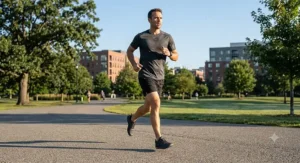
The tire-inspired outsole tread is the headline feature, and it’s not just cosmetic — it’s what lets this shoe cross over from road running to gym floors to light trail without losing grip. At a 9mm stack height and zero drop, the HFS II sits in genuinely minimalist territory while still offering enough underfoot protection for daily wear. Xero backs the sole with a 5,000-mile durability guarantee, a specific commitment few competitors match.
Based on the spec comparison, the wider anatomic toe box distinguishes this from narrower barefoot models like the Vapor Glove, making it a better fit for men with broader forefeet who still want genuine ground feedback. Reviewers consistently note the shoe runs about a half-size small, so ordering up is common advice. A frequent critique in user reviews is that the weight crept up compared to the original HFS, landing closer to a lightweight trainer than a true barefoot shoe — worth knowing if minimal weight is your top priority.
Pros:
- ✅ 5,000-mile sole warranty backs durability
- ✅ Tire-tread outsole grips road, gym, and light trail
- ✅ Wide toe box accommodates broader feet
Cons:
- ❌ Heavier than many minimalist shoes at this stack height
- ❌ Sizing runs small; expect to size up
In the $110-$130 range, this is the shoe to reach for if you want one pair that handles running, lifting, and everyday errands equally well.
3. Topo Athletic ST-5 — best zero-drop hybrid for road and gym
The standout feature is a collapsible heel counter that lets this shoe pack flat into a gym bag — a small detail that signals how seriously Topo designed this for travel and multi-use. The 14mm ZipFoam midsole sits at zero drop, giving just enough cushioning to make daily miles comfortable without erasing ground feel entirely.
Here’s what to weigh: at 6.6 ounces, this is one of the lighter shoes in this roundup, and the foot-shaped toe box lets toes splay naturally during push-off, which matters for the natural gait cycle you’re trying to build. Reviewers consistently describe it as a strong choice for short-to-moderate runs and gym sessions rather than a daily marathon-training workhorse, since the minimal cushioning becomes noticeable on longer efforts. A common complaint in user reviews is that the zero-drop platform demands an adjustment period for anyone coming straight from a traditional 10-12mm drop trainer.
Pros:
- ✅ Roomy foot-shaped toe box allows natural toe splay
- ✅ Collapsible heel counter packs flat for travel
- ✅ Balanced 14mm stack eases the minimalist transition
Cons:
- ❌ Not designed for high-mileage marathon training
- ❌ Firm ride requires an adjustment period
At roughly $100-$120, the ST-5 earns its spot as the pick for runners who split time between the road and the weight room.
4. Merrell Vapor Glove 7 — best true barefoot road feel
The Vibram TC5+ outsole is the feature that sets this shoe apart, delivering grip that rivals far bulkier shoes despite an 8mm stack height that’s among the thinnest here. What most buyers overlook about this model is that its weight — right around 7 to 7.5 ounces depending on the upper material — comes with almost zero midsole to speak of, meaning every crack in the pavement will register underfoot.
Based on the spec comparison, this is the closest thing on this list to actually running barefoot while still getting Vibram-level traction, which is why reviewers consistently recommend it to runners who’ve already spent time in less extreme minimalist shoes. A common complaint in user reviews centers on the narrower last compared to foot-shaped competitors like Altra or Topo, limiting toe splay for wider-footed runners. The absence of a removable insole also means there’s no gentler “training wheels” version of this shoe — you’re either ready for it or you’re not.
Pros:
- ✅ Vibram TC5+ outsole delivers standout grip
- ✅ Among the lightest true barefoot options available
- ✅ Doubles as a durable travel and water shoe
Cons:
- ❌ Narrow last limits toe splay for wider feet
- ❌ No removable insole for a gradual transition
In the $110-$130 range, this is the shoe for runners who’ve already built up tolerance and want the rawest experience without going fully barefoot.
5. Xero Shoes Speed Force II — lightest true minimalist racer
At just 4.5mm of stack height, this is the shoe to reach for if your goal is speed work in something as close to barefoot as a manufactured shoe gets. Weighing only 6.5 ounces, it’s the lightest model in this roundup, and Xero backs the outsole with the same 5,000-mile guarantee found on the HFS II — an unusual durability promise for something this stripped down.
Here’s what to weigh: the strap-and-lace combination locks the midfoot down securely, which matters more at faster paces when a sloppy fit becomes a blister generator rather than a minor annoyance. Reviewers consistently note this shoe rewards runners who’ve already spent months building tolerance to lower stack heights, and is not the shoe to start your minimalist journey with. A common complaint in user reviews is that the near-total absence of cushioning makes it unforgiving on anything beyond short-to-moderate distances, and the price sits surprisingly close to shoes with far more material.
Pros:
- ✅ 4.5mm stack delivers near-barefoot ground feel
- ✅ 5,000-mile sole warranty on an ultralight build
- ✅ Secure strap-and-lace lockdown for faster paces
Cons:
- ❌ Minimal cushioning becomes fatiguing on long runs
- ❌ Premium pricing for such a stripped-down shoe
Priced around $120-$140, this is the shoe for experienced minimalist runners chasing tempo work, not a first pair.

6. Altra Escalante 4 — best wide-toe natural gait trainer
The FootShape toe box is the defining feature, giving toes room to splay wide during every push-off — something narrower shoes on this list simply can’t offer. At a 24mm stack height, this is the tallest shoe here, but the zero-drop platform still qualifies it as minimalist under the category’s actual definition, since drop (not stack) is what dictates gait mechanics.
Based on the spec comparison, the Altra EGO midsole foam adds noticeably more cushioning than anything else in this lineup, making this the shoe to pick if you want the gait benefits of zero drop without the harsh feedback of a paper-thin sole. This model carries the APMA Seal of Acceptance, a credential awarded for products that support healthy foot function. Reviewers consistently praise the roomy fit for all-day comfort, though a common complaint in user reviews about the current version is a narrower overall last compared to earlier Escalante generations, which surprised longtime fans of the line.
Pros:
- ✅ APMA Seal of Acceptance for foot health
- ✅ Wide FootShape toe box lets toes move freely
- ✅ Zero-drop platform trains a more natural gait cycle
Cons:
- ❌ 24mm stack blurs the line with cushioned trainers
- ❌ Narrower fit than earlier Escalante versions
At $120-$140, this is the pick for runners who want minimalist mechanics without minimalist punishment.
7. Vivobarefoot Primus Lite IV — premium barefoot performance trainer
The 2mm outsole is the standout number here — this is about as thin as commercially available soles get, and it’s what gives the Primus Lite IV its reputation as a do-everything barefoot trainer. Weighing somewhere around 8.5 to 9 ounces depending on version, it’s not the lightest shoe in this lineup, but the thinness of the sole is what actually drives the barefoot sensation, not the overall weight.
Here’s what to weigh: Vivobarefoot builds this model from recycled, vegan materials, which matters if sustainability factors into your buying decision alongside performance. Reviewers consistently highlight its versatility for running, lifting, and everyday city wear, and it’s one of the few shoes here genuinely marketed and used across all three contexts. A common complaint in user reviews is the price, which sits meaningfully above every other shoe on this list, along with the reality that a sole this thin demands a genuinely gradual break-in — rushing it is how injuries happen.
Pros:
- ✅ 2mm outsole maximizes ground feel and sensory feedback
- ✅ Recycled, vegan construction for sustainability-minded buyers
- ✅ Versatile across running, lifting, and daily wear
Cons:
- ❌ Highest price point in this roundup
- ❌ Minimal protection demands a slow, deliberate break-in
At $150-$180, this is the splurge pick for runners who’ve already proven they can handle minimalism and want the most refined version of it.
Men’s Minimal Road Running Shoes vs. Trail Minimalist Models: What Actually Changes
Men’s minimal road running shoes and their trail-oriented cousins share a philosophy but differ in execution. Road-focused models like the Xero Shoes HFS II and Topo Athletic ST-5 prioritize a smooth, low-lug outsole that won’t feel clunky on pavement, while trail minimalist shoes add deeper lugs and rock plates that add stack height back in. If you’re buying specifically for road mileage, a smoother outsole reduces the odd pressure points you’d get from aggressive trail lugs pressing into your foot on flat, hard surfaces.
The Merrell Vapor Glove 7 actually straddles both worlds thanks to its Vibram outsole, which grips well on both pavement and light trail without the deep lug pattern that would feel strange on asphalt. What most buyers overlook is that road-specific minimalist shoes generally wear their outsoles down faster than trail versions, simply because road surfaces are more abrasive on thin rubber than dirt is. If your mileage is 90% pavement, prioritize models like the HFS II or ST-5; if you split time between road and trail, the Vapor Glove 7’s crossover tread is the more efficient single-shoe solution.
Ground Feel, Proprioception, and Your Natural Gait Cycle: The Science Behind Minimalism
Ground Feel: The Whole Point of Going Minimal
Ground feel is the sensory information your foot receives from the surface you’re running on, and it’s the entire reason minimalist shoes exist. Thick, heavily cushioned midsoles dampen that information; thin soles let it through. On paper this means you notice pebbles, cracks, and camber changes you’d never register in a maximalist trainer — and that noticing is the point, not a defect. Reviewers across brands consistently frame ground feel as the differentiator between minimalist and merely “lightweight” shoes.
Proprioception: Why Minimalist Shoes Retrain Your Feet
Proprioception is your body’s sense of where your limbs are in space without looking, and your feet are packed with the nerve endings that generate it. A peer-reviewed study on foot sensory feedback found that thin-soled minimalist footwear can meaningfully boost the somatosensory signals your foot muscles rely on for balance and postural control, an effect that’s especially pronounced on uneven or textured surfaces. That same research is careful to note the tradeoff: shifting more mechanical load toward the ankle, midfoot joints, and Achilles tendon can raise the risk of overuse injuries like plantar fasciitis or metatarsal stress fractures if a runner ramps up too quickly.
Natural Gait Cycle: What Changes and Why
Your natural gait cycle — the repeating pattern of heel strike, midstance, and toe-off — shifts noticeably in minimalist shoes. Most runners shift toward a forefoot or midfoot strike and a higher cadence in low-drop shoes, which is exactly the gait pattern proponents of the category are chasing, though as the next section covers, the injury-prevention evidence behind that shift is more mixed than marketing copy tends to suggest.
Lightweight Minimalist Road Shoes for Men: Why Every Ounce Counts
Weight matters more in minimalist road shoes than almost any other running-shoe category, precisely because there’s so little material to begin with — a 2-ounce difference between two minimalist shoes is proportionally much larger than the same gap between two maximalist trainers. The Xero Shoes Speed Force II, at 6.5 ounces, sits at the featherweight end of this list, while the Altra Escalante 4, at 9.5 ounces, carries nearly 50% more mass thanks to its taller EGO foam midsole.
Here’s what to weigh: lighter isn’t automatically better if the weight savings come at the cost of structure you actually need. Reviewers consistently note that the lightest shoes in any minimalist lineup tend to sacrifice the most protection, which is fine for short, controlled efforts but risky for long, unplanned mileage on unfamiliar surfaces. If your runs stay under five miles on predictable pavement, prioritize the lightest options; if you’re logging longer or more variable routes, a slightly heavier shoe with a touch more structural integrity, like the HFS II, is the safer bet.
What to Expect: Real-World Performance for Natural Running Shoes on the Road
Natural running shoes men wear on actual road miles behave differently than their spec sheets suggest. The first few runs typically bring noticeable calf and Achilles soreness, even in runners who consider themselves fit — that’s your lower leg musculature picking up work that a cushioned heel used to absorb for you. By week three or four, most runners report that soreness fading as tendons and intrinsic foot muscles adapt to the new load pattern.
What the spec sheet won’t tell you, but reviewers note repeatedly, is that surface texture becomes far more noticeable in daily runs — you’ll feel manhole covers, painted crosswalk lines, and temperature changes in the pavement in a way cushioned shoes completely mask. On paper this means less protection; in practice, most experienced minimalist runners describe it as heightened awareness rather than discomfort, once the adaptation period passes. Expect your pace to feel marginally slower at first, not because the shoes are inefficient, but because your stride is recalibrating toward shorter, quicker steps.
How to Choose Minimalist Running Shoes for Men
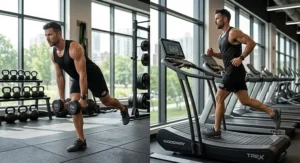
Choosing the right pair comes down to matching stack height, drop, and toe box width to your running history and goals. Follow these steps:
- Assess your current shoe drop. If you’re coming from a 10-12mm drop trainer, jumping straight to a 0mm shoe is a bigger leap than it looks on paper.
- Pick a stack height matching your experience. Beginners should start in the 12-24mm range (Whitin, Altra Escalante 4); experienced minimalists can go to 4-9mm (Speed Force II, Vapor Glove 7).
- Prioritize toe box width if you have wider feet. Models like the Escalante 4 and HFS II run wider than the Vapor Glove or Primus Lite IV.
- Match the outsole to your terrain. Road-only runners want smooth tread; mixed-surface runners benefit from Vibram-style grip.
- Set a realistic mileage goal for month one. Most experts suggest capping early minimalist runs at a fraction of your normal distance.
- Budget for a transition period, not just a purchase. The shoe cost is the easy part; the 6-12 week adaptation window is where most runners either succeed or quit.
- Re-evaluate at the one-month mark. If soreness hasn’t started improving by then, dial back stack height or mileage rather than pushing through.
Common Mistakes When Buying Minimalist Running Shoes
The single biggest mistake is going straight from a maximalist daily trainer to the thinnest shoe on the shelf, skipping any intermediate step. What most buyers overlook is that minimalism exists on a spectrum, and the Altra Escalante 4 or Whitin Cross-Trainer make far better first purchases than the Speed Force II or Vapor Glove 7, despite all four technically qualifying as “minimalist.”
A second common error is buying based on looks or brand reputation without checking toe box width against your actual foot shape — a narrow last like the Vapor Glove’s can cause real discomfort for wider-footed buyers no matter how good the outsole is. Reviewers consistently flag sizing inconsistencies across brands, so a third mistake is skipping a return-policy check before ordering; Xero and Vivobarefoot both run notably smaller than standard US sizing in some models. Finally, many buyers underestimate mileage limits, expecting a 4.5mm racing shoe to comfortably absorb the same weekly volume as a cushioned daily trainer, which sets up avoidable overuse injuries.
Minimalist vs. Traditional Cushioned Running Shoes
| Factor | Minimalist Shoes | Traditional Cushioned Shoes |
|---|---|---|
| Stack Height | 0-25mm typical | 25-40mm+ typical |
| Heel-to-Toe Drop | 0-4mm | 8-12mm |
| Ground Feel | High | Low |
| Adaptation Period | 6-12 weeks required | Minimal |
| Best For | Foot strength, proprioception | Long mileage comfort, injury history with forefoot issues |
The table above makes the tradeoff explicit: minimalist shoes trade immediate comfort for long-term foot-strength gains, while traditional cushioned shoes trade some of that natural feedback for consistent shock absorption over higher mileage. A biomechanics review of barefoot and minimalist running literature found that runners in this category tend to shift toward a forefoot strike, lower vertical loading rates, and a higher step cadence compared to traditional shod running. The same review’s key takeaway is nuanced: foot strike pattern itself, more than the shoe category worn, appears to be the bigger factor in injury outcomes — a distinction that’s easy to miss in marketing copy from either camp.
Minimalist Running Shoes for Different Runners
Beginners transitioning from years of cushioned trainers should start with the Whitin Cross-Trainer or Altra Escalante 4, since both offer a gentler stack height while still teaching zero-drop mechanics. Reviewers consistently recommend this pairing for anyone whose only experience is traditional running shoes, since it avoids the shock of a sub-10mm stack on unconditioned feet.
Experienced minimalist runners chasing performance gains are better served by the Xero Shoes Speed Force II or Merrell Vapor Glove 7, both of which reward runners who’ve already logged months adapting their calves and feet to lower stack heights. Gym-goers and cross-trainers who split time between lifting and running should look at the Topo Athletic ST-5 or Vivobarefoot Primus Lite IV, since both are explicitly built and marketed for that dual-purpose use. Budget-conscious buyers testing the waters for the first time get the most forgiving on-ramp from the Whitin model, given its low financial commitment.
Long-Term Cost & Maintenance
Minimalist shoes generally cost less to maintain than cushioned trainers because there’s less foam to compress and degrade over time — a worn-out cushioned midsole loses its bounce gradually and invisibly, while a minimalist sole’s thin rubber wear is visible and easy to inspect. The Xero Shoes HFS II and Speed Force II both carry Xero’s 5,000-mile sole warranty, which is a meaningful value signal since most running shoes, regardless of category, are recommended for replacement around 300-500 miles.
Cost-per-mile math favors the mid-range options here: a $120 shoe rated to 500 miles of comfortable use costs roughly 24 cents per mile, while a $150+ premium barefoot shoe with a shorter realistic lifespan due to its thinner materials can push closer to 35-40 cents per mile. Reviewers consistently note that road surfaces wear minimalist soles faster than trail or gym use, so runners logging most of their miles on pavement should budget for replacement on the earlier end of any manufacturer’s estimate.
How to Transition to Minimalist Running Shoes Without Getting Hurt
Your first week in a new minimalist shoe should involve walking, not running — give your feet several days of daily wear around the house or on short errands before adding any running volume at all. Once you start running, cap your first sessions at 10-15% of your normal distance, and resist the urge to judge the shoe’s performance based on that first uncomfortable outing.
Weeks two through four should see gradual, modest increases — think 10% weekly mileage bumps rather than doubling your distance because a short run felt fine. Common early mistakes include running your usual route at your usual pace on day one, ignoring calf tightness because “it’ll work itself out,” and skipping rest days between minimalist runs while your feet adapt. By week six to eight, most runners can judge whether their normal mileage is achievable in the new shoe; if soreness persists past that window, that’s a signal to extend the transition period rather than push through it. A prospective study tracking runners transitioning to minimalist footwear found that the large majority sustained some degree of injury during the switch, with onset typically arriving around the six-week mark — a strong argument for a deliberately slow, conservative build-up rather than an aggressive one.
Which Minimalist Runner Are You? 3 Real-World Scenarios
The Commuter Cross-Trainer: If you’re a 30-something who lifts three days a week and runs occasional 2-3 mile recovery jogs, the Topo Athletic ST-5 or New Balance-style minimalist trainer fits your split-use pattern better than a pure road racer — you need one shoe that handles both contexts without compromise.
The Injury-History Convert: If you’re recovering from years of knee pain in cushioned trainers and your physical therapist suggested exploring a more natural gait, start with the Altra Escalante 4. Its wider toe box and moderate stack height offer the gait benefits of zero drop without the shock of a razor-thin sole on unconditioned feet.
The Weekend 10K Enthusiast: If you’re already comfortable in minimalist shoes and want to shave a little more weight for race day, the Xero Shoes Speed Force II matches your experience level and performance goals — just make sure race day isn’t your shoe’s first outing.
Common Minimalist Running Problems (And How to Fix Them)
Problem: Calf and Achilles soreness after the first few runs. This is the most universal complaint among new minimalist runners. Solution: reduce mileage by half for the next week and add calf-raise stretching before and after runs rather than pushing through the discomfort.
Problem: Blisters from a shoe that fits differently than expected. Solution: check brand-specific sizing charts before buying — Xero and Vivobarefoot both run smaller than typical US sizing, so ordering a half-size up, as several Xero Shoes HFS II reviewers recommend, often solves this.
Problem: Feeling every pebble and crack painfully rather than just noticing it. Solution: this usually signals you’ve jumped to too thin a stack height too fast; step back up to a shoe like the Altra Escalante 4 or Topo ST-5 until your feet toughen up.
Problem: Uncertainty about whether normal mileage is safe yet. Solution: use the 10% weekly increase rule and don’t chase your old mileage numbers until soreness has fully resolved for at least two consecutive weeks.
Safety, Injury Risk & Foot Health: What the Research Says
The research on minimalist running injury risk is more nuanced than either enthusiasts or skeptics tend to admit. A widely cited systematic review of the barefoot and minimalist running literature found that much of the existing evidence remains preliminary, with no firm consensus yet on whether the category reliably reduces injury rates compared to traditional shoes. That’s not a reason to avoid minimalist shoes — it’s a reason to transition conservatively regardless of what any single brand’s marketing claims.
Practical safety guidelines drawn from the available research: transition gradually over 8-12 weeks rather than weeks, expect a temporary redistribution of stress toward the ankle and forefoot rather than the knee, and treat any sharp, localized pain (versus generalized muscle soreness) as a stop signal, not something to run through. Proper toe box room and a secure heel remain non-negotiable fit basics regardless of shoe category, even in the thinnest minimalist shoe on the market.
Features That Actually Matter (And Those That Don’t)
Stack height and drop are the two specs that actually determine how a shoe will feel and perform — everything else is secondary. Toe box width matters enormously for comfort but says nothing about ground feel or gait mechanics on its own. Outsole rubber compound matters for durability and grip, which is why the 5,000-mile Xero warranty and Vibram TC5+ compound on the Vapor Glove 7 are genuinely meaningful data points, not marketing fluff.
What doesn’t matter nearly as much as buyers assume: color, brand prestige, and marketing language like “barefoot-inspired,” which many traditional shoes now slap on models that still carry a 6-8mm drop and 20mm+ stack — true minimalism requires checking the actual numbers, not the label on the box. Weight matters less than stack height and drop for determining “how minimalist” a shoe truly feels, since a heavier shoe with a 0mm drop and thin sole will still deliver more ground feel than a feather-light shoe built on 15mm of dense foam.
FAQ
❓ Are minimalist running shoes bad for your knees?
❓ How long does it take to adapt to minimalist running shoes?
❓ Can minimalist running shoes help with proprioception and balance?
❓ What's the difference between zero drop and minimalist?
❓ Do minimalist running shoes work for wide feet?
Conclusion
Minimalist running shoes for men aren’t a single product category so much as a spectrum, ranging from the gentle 24mm stack of the Altra Escalante 4 to the razor-thin 2mm sole of the Vivobarefoot Primus Lite IV. What ties all seven of these shoes together is a commitment to letting your foot actually feel and respond to the ground, rather than insulating it behind layers of foam.
The right starting point depends entirely on your running history: total beginners should lean toward the Whitin Cross-Trainer or Altra Escalante 4, while runners who’ve already built foot strength can look toward the Speed Force II or Vapor Glove 7 for a more concentrated dose of ground feel. Wherever you start, the research is consistent on one point — a slow, deliberate transition matters more than which specific pair you buy. Give your feet the runway they need, and the natural gait cycle this category promises becomes a lot more achievable.
✨ Ready to find your pair? Compare the seven options above, check the price at the time of research, and start your minimalist transition the smart way — slowly. 🦶
Recommended for You
- Max Cushion Shoes Men Long Distance: 7 Picks That Survive 50 Miles
- Best Cushioned Running Shoes Men Knee Pain: 7 Top Picks (2026)
- Max Cushion Running Shoes for Men: 7 Comfort Champions (2026)
Disclaimer: This article contains affiliate links. As an Amazon Associate, I earn from qualifying purchases. If you purchase products through these links, we may earn a small commission at no additional cost to you.
✨ Found this helpful? Share it with your friends! 💬🤗
