
In This Article
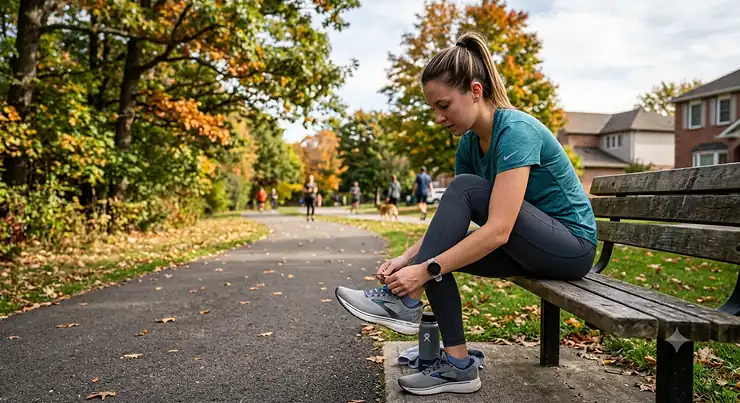
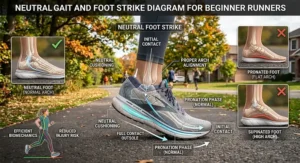
Lace up the wrong pair of sneakers for your first few runs and you’ll know it by mile two — hot spots, achy shins, a weird slap against the pavement that makes you question the whole hobby. That’s usually not a “you” problem. It’s a shoe problem. Neutral running shoes for women beginners are built specifically to solve it: no aggressive posts or wedges steering your foot around, just even cushioning and a smooth ride that lets your natural stride do its thing. A neutral running shoe is a trainer with a uniform midsole and no built-in stability features, designed for runners whose feet don’t roll excessively inward or outward when they land. For most new runners without a diagnosed overpronation issue, that’s exactly the starting point a podiatrist or running store would recommend.
Here’s the good news: you don’t need to guess your way through this. We dug into real specs, verified pricing at the time of research, and pulled together the honest, aggregated sentiment that actual runners and testers have shared about each model — not manufactured hype. Whether you’re three weeks into a Couch to 5K plan or you haven’t run since gym class, this guide walks through seven genuinely solid neutral running shoes for women beginners, how they compare, and how to actually use them once they’re on your feet. We’ll also cover the stuff Amazon listings never mention — how fast to build mileage, whether you need a shoe rotation on day one, and which “features” are marketing noise versus the ones that actually protect your joints.
Quick Comparison Table
Before the deep dive, here’s the fast version for anyone short on time.
| Shoe | Best For | Weight (approx.) | Drop | Price Range |
|---|---|---|---|---|
| Brooks Ghost 16 | Best overall beginner pick | 8.8 oz | 12 mm | $130-$150 |
| Saucony Ride 17 | Best affordable all-rounder | 8.6 oz | 8 mm | $120-$140 |
| ASICS Gel-Cumulus 26 | Best for varied paces | 7.7 oz | 8 mm | $130-$150 |
| HOKA Clifton 10 | Best max-cushion comfort | 8.3 oz | 5 mm | $135-$155 |
| Nike Pegasus 41 | Best iconic daily trainer | 9.1 oz | 10 mm | $120-$140 |
| New Balance Fresh Foam X 1080v13 | Best premium plush ride | 8.5 oz | 6 mm | $150-$170 |
| ASICS Gel-Excite 11 | Best budget pick | 8.4 oz | 8 mm | Under $75 |
Looking at this lineup, you’ll notice the price spread runs from budget to genuinely premium, but the drop and weight numbers matter just as much as the sticker price. Higher-drop shoes like the Brooks Ghost 16 cushion the heel more aggressively, which tends to suit new runners who naturally heel-strike, while lower-drop models like the HOKA Clifton 10 put you closer to a “flatter” stride that some beginners find takes a few runs to adjust to. If budget is the deciding factor, the ASICS Gel-Excite 11 proves you don’t need to spend $150 to get a legitimately comfortable first pair.
💬 Already comparing pairs? Tap any shoe above to check today’s price and available sizes before they sell out in your size!
Top 7 Neutral Running Shoes for Women Beginners: Expert Analysis
Choosing the right neutral running shoes for women beginners really comes down to matching the shoe’s cushioning and drop to how your feet already move — so here’s a closer, honest look at seven real options worth your money in 2026.
1. Brooks Ghost 16 — the safest all-around beginner pick
The standout here is consistency: the Brooks Ghost 16 has been a go-to recommendation for new runners for years, and the 2026 version doesn’t mess with the formula. It runs on Brooks’ nitrogen-infused DNA Loft v3 midsole foam, a compression-molded cushioning layer that’s noticeably softer and lighter than the foam Brooks used just two versions ago. At 8.8 ounces with a 12mm heel-to-toe drop, it’s built to cushion a heel-first landing, which is the strike pattern most beginners default to before their form evolves.
Based on the spec sheet, the higher drop and generous forefoot padding make this an easy shoe to run long in without your calves screaming the next day. Reviewers consistently point to the engineered mesh upper as one of the more accommodating fits on the market, wrapping snugly around the midfoot while leaving room up front — a detail that matters if you’ve never bought a “real” running shoe before and aren’t sure what size to grab. The recurring critique in aggregated reviews is that the upper runs a bit warm on hot days, and the notably high 12mm drop can feel unfamiliar if you’ve been training in flatter cross-trainers.
Pros:
- ✅ Excellent cushioning for new heel-strikers
- ✅ Roomy, accommodating fit across foot shapes
- ✅ Durable outsole that handles varied surfaces
Cons:
- ❌ Upper breathability lags in warm weather
- ❌ High drop may feel unfamiliar at first
At around $130-$150, the Brooks Ghost 16 sits in the middle of the pack price-wise, but the value case is strong precisely because it’s forgiving of imperfect form — exactly what a first-timer needs.

2. Saucony Ride 17 — most wallet-friendly classic ride
What stands out immediately about the Saucony Ride 17 is its no-fuss, roomy toe box — it’s the kind of shoe that fits well right out of the box without a break-in period. Saucony builds the Ride on its PWRRUN foam midsole, a resilient compound that trades a bit of the plush “sinking” feel of premium foams for a firmer, more consistent bounce back with every step.
That firmness is actually a plus for someone new to running: it’s more forgiving of a slightly sloppy stride than an ultra-soft shoe would be, and it means the shoe won’t feel mushy or unstable when you’re tired at the end of a run. Reviewers who’ve put this shoe through marathon training and casual jogging alike describe it as dependable rather than exciting — which, frankly, is the highest compliment a beginner shoe can get. The wide, welcoming toe box compared to competitors is a genuine differentiator noted across multiple aggregated review sources.
Pros:
- ✅ Roomy toe box fits a wide range of feet
- ✅ Reliable, consistent ride at an affordable price
- ✅ No noticeable break-in period needed
Cons:
- ❌ Firmer ride than max-cushion competitors
- ❌ Less visually distinctive than newer rivals
Priced around $120-$140, the Saucony Ride 17 typically undercuts the Brooks Ghost 16 slightly while delivering a strikingly similar experience — making it one of the smarter value plays on this list for anyone starting a Couch to 5K plan on a budget.
3. ASICS Gel-Cumulus 26 — most versatile across paces
The ASICS Gel-Cumulus 26 earns its spot by being genuinely good at more than one thing. Its standout feature is the FF Blast Plus midsole foam paired with rearfoot PureGEL technology, which absorbs heel impact without adding noticeable bulk. At 7.7 ounces with an 8mm drop, it sits lighter and lower than the Ghost, giving it a slightly quicker, more energetic feel.
Based on the spec comparison, that lighter build and lower drop make this shoe comfortable across a wider range of paces — easy jogs, brisk walks, even the occasional faster interval — which matters for a beginner whose pace will vary wildly week to week. What most buyers overlook about this model is its updated Fluidride outsole, a rubber-and-EVA blend that improves both grip and long-term durability compared to older Cumulus versions. Aggregated reviewer feedback consistently praises the shoe’s balance of firmness and cushion, though a recurring complaint is that the redesigned heel tab can rub against the Achilles for runners with narrower ankles.
Pros:
- ✅ Lightweight for a fully cushioned trainer
- ✅ Works well across easy, moderate, and brisk paces
- ✅ Breathable engineered mesh keeps feet cool
Cons:
- ❌ Heel tab can irritate narrower ankles
- ❌ Firmer underfoot feel than max-cushion rivals
At roughly $130-$150, the ASICS Gel-Cumulus 26 is priced to compete directly with the Brooks Ghost 16, and the choice between them often comes down to whether you prefer a firmer (Cumulus) or plusher (Ghost) ride.
4. HOKA Clifton 10 — best for maximum cushioning comfort
The HOKA Clifton 10 is built around one clear idea: pillow-soft protection from the first mile to the last. Its standout feature is HOKA’s Active Foot Frame, a design that cradles the foot within thick EVA foam rather than sitting on top of it, paired with a pronounced rocker sole that helps guide your foot through each step’s transition.
Here’s what the spec sheet doesn’t fully capture: that generous foam volume genuinely lowers the joint impact beginners feel in the ankles, knees, and hips during those first uncomfortable weeks of training, which is exactly why physical therapists so often point new runners toward maximalist shoes like this one. HOKA’s notably wide toe box is another differentiator reviewers keep coming back to, since it lets toes splay naturally rather than getting squeezed. The tradeoff for all that cushioning is weight — at 8.3 ounces for the women’s version, it isn’t the lightest shoe here, and the deep stack height takes some runners a few outings to adjust to.
Pros:
- ✅ Exceptional joint-friendly cushioning underfoot
- ✅ Wide toe box accommodates natural toe splay
- ✅ Doubles comfortably as an all-day walking shoe
Cons:
- ❌ Heavier than lower-stack neutral competitors
- ❌ Tall stack height needs an adjustment period
Expect to pay somewhere in the $135-$155 range for the HOKA Clifton 10, which is a fair ask given how much cushioning technology is packed into the midsole.
5. Nike Pegasus 41 — the iconic everyday trainer
Few running shoes carry the name recognition of the Nike Pegasus 41, and after more than four decades in production, the standout here is simply proven reliability. The 2026-era Pegasus runs on Nike’s ReactX foam, a compound engineered for improved energy return over the previous React formula, wrapped in an updated mesh upper built for better airflow.
Based on the spec comparison against the rest of this list, the Pegasus 41 lands right in the middle: not as plush as the HOKA Clifton 10, not as firm as the Saucony Ride 17, which actually makes it a smart “default” pick if you’re not yet sure what kind of ride you prefer. Reviewers who’ve tested it alongside beginner-focused rivals note it holds up well across easy runs and pick-up-the-pace days alike, without demanding much of a learning curve. The recurring knock in aggregated feedback is that the toe box runs slightly narrower than competitors like the Ghost or Ride, which is worth noting if you have a wider forefoot.
Pros:
- ✅ Versatile ride suited to varied training paces
- ✅ Improved ReactX foam boosts energy return
- ✅ Widely available in extended sizes and widths
Cons:
- ❌ Narrower toe box than some rivals
- ❌ Less plush than max-cushion competitors
Priced around $120-$140, the Nike Pegasus 41 competes directly with the Saucony Ride 17 on cost, with the decision often coming down to brand fit preference more than raw performance.
6. New Balance Fresh Foam X 1080v13 — the premium plush upgrade
If budget isn’t the primary concern, the New Balance Fresh Foam X 1080v13 is worth the splurge. Its standout feature is the Fresh Foam X midsole compound itself, a noticeably plush, high-volume foam that New Balance has continually refined across a dozen-plus versions of this shoe.
What most buyers overlook about this model is how much of a difference the plush ride makes specifically on longer training runs — once you’re past the 30-40 minute mark, a firmer shoe’s impact starts to accumulate, and this is where the extra cushioning genuinely earns its higher price tag. Reviewers consistently describe the 1080 as feeling like “recovery day, every day,” with a smooth heel-to-toe transition that doesn’t feel unstable despite the tall stack. The tradeoff is cost: at $150-$170, it’s the priciest shoe on this list, and some aggregated reviews note the upper’s premium knit material, while breathable, can feel a touch snug through the midfoot for wider feet.
Pros:
- ✅ Among the plushest rides for longer runs
- ✅ Smooth, stable heel-to-toe transition
- ✅ Premium build quality built to last
Cons:
- ❌ Highest price point of the group
- ❌ Midfoot can feel snug for wider feet
At $150-$170, the New Balance Fresh Foam X 1080v13 is an investment shoe rather than a starter shoe for most beginners — but for someone who already knows they’ll stick with running, it’s a legitimately excellent second pair.
7. ASICS Gel-Excite 11 — best budget entry point
Not every beginner needs (or wants) to spend $140 to find out if running is for them, and that’s exactly the gap the ASICS Gel-Excite 11 fills. Its standout feature is AMPLIFOAM PLUS cushioning combined with rearfoot GEL technology — a simplified version of the tech found in ASICS’ pricier Cumulus and Nimbus lines.
Based on the spec sheet, you’re getting a genuinely comfortable stack height and shock absorption for a fraction of the cost of the shoes above it on this list, which makes it a smart way to test the waters before committing to a pricier pair. Reviewers who buy this shoe specifically as a first running shoe consistently describe it as “good enough to not think about,” which for a beginner is a real compliment — you want a shoe that disappears underfoot, not one that demands attention. The honest tradeoff is durability and refinement: aggregated feedback notes the outsole shows wear a bit sooner than premium models, and the ride lacks the last few percent of energy return you’d feel in a Ghost or Pegasus.
Pros:
- ✅ Genuinely comfortable cushioning at low cost
- ✅ Breathable jacquard mesh upper
- ✅ Great low-risk way to test running as a hobby
Cons:
- ❌ Outsole wears faster than premium models
- ❌ Less energetic ride than pricier competitors
Frequently found under $75 (and often on sale well below that), the ASICS Gel-Excite 11 is the clear pick for anyone who wants to try a proper Couch to 5K plan without a big upfront investment.
Getting Started: Your First 30 Days in Neutral Running Shoes
Buying the shoe is the easy part. What actually determines whether your first month of running feels good or miserable is what you do in these easy neutral shoes once they’re on your feet. Start by wearing your new pair around the house or on a short walk before your first real run — this breaks in the upper slightly and lets you catch any rubbing or hot spots while the stakes are low. Lace them snugly through the midfoot but leave a little wiggle room at the toe box; a shoe laced too tight across the top of the foot is one of the most common (and most fixable) causes of early numbness.
For your first two weeks, resist the urge to judge the shoe on a single run. Feet swell during the day and during exercise, socks matter more than people expect, and your stride genuinely changes as your body adapts to a new midsole. A common mistake in this window is chasing distance before comfort — if a shoe still feels off after five or six short runs, that’s useful information, not a sign you’re doing something wrong. On the maintenance side, rotate socks with moisture-wicking material (cotton holds sweat and increases blister risk), and check your laces before every run rather than leaving them exactly as they were from the store.
Real-World Scenarios: Which Shoe Fits Your Running Life?
Not every beginner is starting from the same place, so here’s how three common profiles map onto this list. A college student training between classes on a tight budget, running two to three miles a few times a week on mixed sidewalks, is well served by the ASICS Gel-Excite 11 — low cost, low risk, and enough cushioning to handle short, frequent runs without punishing a student budget.
A woman in her 30s or 40s returning to exercise after a long break, likely running slower and more heel-strike heavy while her joints reacquaint themselves with impact, benefits most from something like the HOKA Clifton 10 or Brooks Ghost 16 — both prioritize joint protection over speed, which matters far more than shaving seconds off a pace in month one. And a first-time runner training specifically for a Couch to 5K goal with a firm event date in mind wants a shoe that won’t need “breaking in” mid-program — the Saucony Ride 17 or Nike Pegasus 41 both fit comfortably from day one and hold up well as weekly mileage climbs.
💬 Not sure which profile fits you best? Check current pricing on the pick that matches your situation before your next run!
Neutral Running Shoes and Your Couch to 5K Journey
If you’re following a structured plan like the free NHS Couch to 5K program, your shoe choice matters more than it might seem during the early walk-run intervals. Weeks one through three of most Couch to 5K style plans involve short running bursts mixed with walking, which means your shoes need to handle both gaits equally well — this is precisely where neutral running shoes for women beginners with moderate-to-high cushioning, like the Brooks Ghost 16 or ASICS Gel-Cumulus 26, outperform racing-oriented shoes that feel great running fast but awkward at a walking pace.
As the weeks progress and continuous running time stretches toward 20-30 minutes, cushioning becomes even more important since your feet are absorbing sustained impact rather than short bursts. Runners following Couch to 5K consistently report that swapping into a genuinely supportive neutral shoe partway through the program — rather than sticking with old gym sneakers — makes a noticeable difference in how their shins and knees feel by week six. If budget allows only one pair for the full nine weeks, prioritize a shoe from the mid-range or premium tier on this list rather than the budget option, simply because you’ll be logging more consistent miles in it over a longer stretch.
How to Choose Neutral Running Shoes for Beginners
Picking the right pair of beginner running shoes for women doesn’t require expert-level knowledge — it requires asking the right questions in the right order.
- Confirm you’re actually a neutral runner. A simple wet-foot test or a visit to a specialty running store for a gait check can confirm whether your arch and stride call for a neutral shoe rather than a stability model.
- Pick your drop based on how you land. Heel-strikers generally do better in higher-drop shoes like the Brooks Ghost 16; if you’re unsure, a mid-drop option like the Nike Pegasus 41 is a safe default.
- Prioritize cushioning over speed features. Beginners rarely need a “fast” shoe — comfort and shock absorption matter far more in month one than a carbon plate or aggressive rocker.
- Try shoes later in the day. Feet swell as the day goes on, so a mid-afternoon or evening fitting gives a more realistic sense of true running fit.
- Leave a thumb’s width at the toe box. This single check prevents the majority of black toenails and lost nails beginners experience in their first few months.
- Set a realistic price ceiling before you shop. Knowing whether you’re comfortable in the ASICS Gel-Excite 11 budget range or the New Balance Fresh Foam X 1080v13 premium range narrows the field instantly.
- Buy from a retailer with an easy return window. Even a great-on-paper shoe can feel wrong after a real run, and a flexible return policy protects that first investment.
Common Mistakes Women Make When Buying Their First Running Shoes
The single most common mistake beginners make is buying based on looks or brand loyalty from other sports rather than actual running fit — a favorite lifestyle sneaker brand doesn’t automatically make a good running shoe. A close second is sizing shoes the same as everyday sneakers instead of going up a half size, which is standard practice across nearly every running shoe brand due to foot swelling during exercise.
Another frequent misstep is assuming more cushioning is always better; while shoes like the HOKA Clifton 10 work wonderfully for many beginners, an especially light or narrow-footed runner sometimes finds max-cushion shoes feel unstable rather than protective. Buying shoes based purely on price — either overspending on the priciest option assuming it must be superior, or underspending on shoes with no real running-specific design — both create avoidable problems. Finally, many first-time buyers skip trying shoes with the actual socks they plan to run in, which can shift fit more than people expect.
Beginner Mileage Buildup: How Fast Should You Increase Your Miles?
New shoes solve half the injury-prevention equation; how you build mileage solves the other half. The long-standing advice here is the so-called 10% rule — don’t increase your weekly running volume by more than roughly 10% from one week to the next. Recent research has actually refined this idea in a useful way: a large study published in the British Journal of Sports Medicine tracking over 5,000 runners found that the real danger zone isn’t the weekly total at all, but any single run that jumps more than 10% beyond your longest effort of the past month.
In practice, that means a beginner running mostly 2-3 mile outings shouldn’t suddenly attempt a 5-mile run just because they’re feeling good one day — that single jump matters more than a slow, steady weekly climb. This is also exactly why structured programs like Couch to 5K work so well for new runners: the mileage buildup is already paced out for you in small, deliberate increments rather than left to guesswork. Whatever shoe you choose from this list, pairing it with a sane mileage progression does more to prevent shin splints and early burnout than any single piece of gear ever could.
Shoe Rotation Basics: Do Beginners Really Need Two Pairs?
It sounds like upselling, but the research here is genuinely compelling: a well-known study on running shoe rotation following 264 recreational runners over 22 weeks found that runners who alternated between multiple pairs of shoes had a meaningfully lower rate of running-related injury than runners who stuck to a single pair. The theory is straightforward — different shoes distribute impact forces slightly differently across the foot and lower leg, so rotating prevents the same tissues from absorbing identical stress on every single run.
For a true beginner, this doesn’t mean buying four pairs on day one. It means considering a second, different-feeling pair once you’re running three or more times a week consistently — for example, pairing the firmer Saucony Ride 17 for faster or shorter efforts with the plusher HOKA Clifton 10 for longer, easier days. Rotation basics also solve a practical problem: cushioning foam needs roughly 24-48 hours to fully rebound after a run, so alternating pairs lets each shoe recover while you’re still training consistently.
Neutral vs Stability Shoes: What’s Actually Different
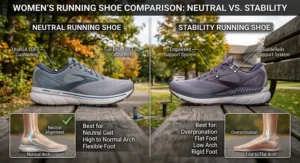
The core difference between neutral and stability running shoes comes down to one design choice: stability shoes build in a firmer foam wedge or guide rail along the inner midsole to correct excessive inward foot roll (overpronation), while neutral shoes use uniform cushioning throughout and let your foot move naturally.
| Feature | Neutral Shoes | Stability Shoes |
|---|---|---|
| Midsole design | Uniform cushioning | Firmer medial post/guide rail |
| Best for | Neutral or mild pronators | Moderate-to-severe overpronators |
| Feel underfoot | Even, natural | Slightly guided/directed |
| Example (this list) | Brooks Ghost 16, ASICS Gel-Cumulus 26 | Not featured — see a stability-specific guide |
Looking at this comparison, most beginners without a diagnosed overpronation issue do better starting in a neutral shoe like the ASICS Gel-Cumulus 26 or Brooks Ghost 16, since an unnecessary stability feature can actually feel awkward or restrictive if your foot doesn’t need the correction. If you’ve had a gait analysis suggesting real overpronation, a stability shoe is worth exploring separately, but it isn’t the default recommendation for most new runners.
Features That Actually Matter (And Those That Don’t)
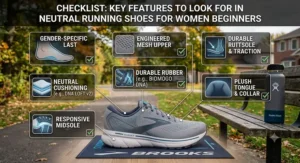
Marketing copy loves to bury the useful details under buzzwords, so here’s the honest filter. Midsole foam quality and stack height genuinely matter — they’re the difference between a comfortable long run and a painful one. Toe box width matters more than most beginners realize, since a cramped forefoot causes blisters and black toenails regardless of how nice the rest of the shoe is. Drop matters for how the impact is distributed through your stride, which is why the HOKA Clifton 10‘s low 5mm drop feels different underfoot than the Brooks Ghost 16‘s 12mm.
What matters far less for a beginner: carbon fiber plates (built for racing speed, not comfort), flashy colorways, or a brand’s marathon-winning pedigree. None of that changes how a shoe feels on an easy 20-minute jog around your neighborhood, which is where nearly all beginner training actually happens.
Long-Term Cost & Maintenance: What Your Shoes Really Cost Per Mile
A $140 shoe sounds expensive until you break it down by mileage. Most running shoes last somewhere between 300 and 500 miles before the midsole foam compresses enough to lose meaningful cushioning. At the middle of that range — call it 400 miles — a $140 pair like the Brooks Ghost 16 works out to roughly 35 cents per mile, while the budget-friendly ASICS Gel-Excite 11 at under $75 comes in closer to 19 cents per mile, even accounting for its slightly shorter expected lifespan.
That math shifts once you factor in injury avoidance, though — a shoe that fits poorly and causes an overuse injury costs far more in lost training time (and potential physical therapy) than the price difference between models ever would. Realistically budgeting for a shoe replacement every four to six months of consistent three-times-a-week running keeps most beginners ahead of the wear curve without overspending.
Frequently Asked Questions
❓ What are neutral running shoes for women beginners?
❓ Do I need a gait analysis before buying?
❓ How much should a beginner running shoe cost?
❓ How often should new runners replace their shoes?
❓ Is it okay to walk in running shoes too?
Conclusion
Finding the right neutral running shoes for women beginners isn’t about chasing the priciest or most hyped option on the shelf — it’s about matching real cushioning, fit, and drop to where you actually are in your running journey. The Brooks Ghost 16 and ASICS Gel-Cumulus 26 remain safe, well-rounded starting points for most new runners, the HOKA Clifton 10 earns its keep for anyone prioritizing joint comfort above all else, and the ASICS Gel-Excite 11 proves a genuinely good first pair doesn’t have to break the bank.
Beyond the shoe box, the habits matter just as much: build mileage gradually, consider a second pair once you’re running consistently, and give your feet time to adjust before judging any shoe too harshly. Whether you’re three weeks into Couch to 5K or lacing up for the very first time, the right pair — paired with sensible training habits — makes the difference between running becoming a chore and running becoming something you actually look forward to.
✨ Ready to take the next step? Compare current prices on today’s picks and grab the pair that matches your budget and stride before your next run!
Recommended for You
- 7 Best Neutral Running Shoes for Women with High Arches (2026)
- 7 Best Neutral Running Shoes for Women in 2026
- Minimalist vs Zero Drop Shoes Men: 7 Top Picks for 2026
Disclaimer: This article contains affiliate links. As an Amazon Associate, I earn from qualifying purchases. If you purchase products through these links, we may earn a small commission at no additional cost to you.
✨ Found this helpful? Share it with your friends! 💬🤗
