

In This Article
Your knees have a way of making announcements. One minute you’re strolling to the mailbox; the next, a flight of stairs feels like a contract negotiation. Finding running shoes for bad knees shouldn’t require a biomechanics degree, yet every brand swears its foam feels like a cloud, and almost none explain whether that cloud suits your stride. Most shoppers end up guessing at the wall of boxes.
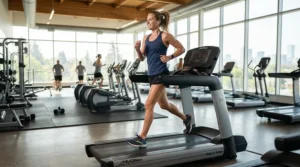
Here’s the encouraging part. A large observational study of adults over 50 with knee osteoarthritis found that self-selected running was linked to improved knee pain, not worse symptoms or structural progression. So the goal usually isn’t to quit moving. It’s to choose smarter gear. Even so, a survey of people with symptomatic knee osteoarthritis found that most had never received footwear advice from a healthcare professional.
This guide closes that gap. You’ll get seven carefully chosen options, with specs translated into real-world meaning. You’ll also get focused advice on walking shoes for bad knees, low-impact walking footwear, senior-friendly running shoes, and max cushion recovery shoes.
A quick word on method. Specs and price ranges come from manufacturer data and independent lab reviews published through 2026. I haven’t worn these shoes, so you won’t find invented “I tested it” stories here. The review sentiment below reflects what published reviewers consistently report, not made-up quotes. Prices drift, so I use ranges; always check current price and availability before you buy.
Quick Comparison: Running Shoes for Bad Knees at a Glance
| Shoe | Type | Price range | Best For |
|---|---|---|---|
| HOKA Bondi 9 | Neutral, max cushion | $165-$180 | Easy days, long walks, heavier runners |
| Brooks Adrenaline GTS 25 | Stability (GuideRails) | $140-$155 | Overpronators wanting guided support |
| New Balance Fresh Foam X 1080v15 | Neutral, plush and light | $165-$175 | Heel strikers wanting softness without bulk |
| ASICS Gel-Kayano 33 | Stability, high cushion | $165-$175 | Walking, standing, wider feet |
| Brooks Glycerin Max 2 | Neutral, maximal stack | $195-$205 | Dedicated max cushion recovery shoes |
| ASICS GT-1000 15 | Mild stability, budget | $105-$115 | Budget walking shoes for bad knees |
| adidas Supernova Rise 3 | Neutral/stable, mid-price | $135-$145 | One shoe that does most things |
Looking at the comparison above, the Brooks Adrenaline GTS 25 and ASICS GT-1000 15 are the practical picks for buyers who want guided stability without a premium tag. The HOKA Bondi 9 and Brooks Glycerin Max 2 justify their higher prices only if softness is your top priority. The New Balance Fresh Foam X 1080v15 is a rare plush shoe that doesn’t feel like wearing a loaf of bread, and the adidas Supernova Rise 3 sits in the sensible middle.
One caveat before you scroll on: cushion level and support type are different things. A stability shoe isn’t automatically soft, and a tall shoe isn’t automatically stable. The buying criteria further down sort out which matters for you.
💬 Just one click — help others make better buying decisions too!😊
Top 7 Running Shoes for Bad Knees: Expert Analysis
Each shoe below gets the same treatment: what the specs mean in practice, who it suits, what reviewers consistently report, and whether the price makes sense.
1. HOKA Bondi 9 — most foam under your heel
The Bondi’s party trick is simple: more midsole between you and the pavement than almost any mainstream road shoe. The listed stack is 43 mm at the heel and 38 mm at the forefoot with a 5 mm drop, and the new supercritical EVA foam is softer and lighter than the old formula. Independent labs measured the stack a little lower than the listing, but it still ranks among the tallest on the market. In practice, that depth gives each landing more room to spread out and soften. That’s why max cushion recovery shoes like this one appeal to achy-kneed heel strikers.
Based on the spec comparison, the HOKA Bondi 9 suits heavier runners, long-shift walkers, and anyone whose knees grumble on concrete. Wired Runner’s 2026 roundup ranks it best overall for bad knees, though the same guide warns that maximum cushioning isn’t a universal prescription.
Reviewer consensus: testers praise the plush ride and call it a strong walking shoe, while recurring complaints are a narrow toe box and noticeable weight.
Pros:
- ✅ Huge stack softens hard-surface landings
- ✅ Wide, stable platform for its height
- ✅ Doubles as an all-day walking shoe
Cons:
- ❌ Toe box runs snug for wider feet
- ❌ Heavier and pricier than many rivals
Expect the $165-$180 range at the time of research. That’s steep for a mostly single-purpose easy-day shoe, but fair value if recovery miles and long walks dominate your week.

2. Brooks Adrenaline GTS 25 — guided support without the stiffness
If your knee complaints come with feet that tend to roll inward, this is the steady-handed classic. It pairs GuideRails support with nitrogen-infused DNA Loft v3 foam, a stack of roughly 37 mm heel and 27 mm forefoot, and a drop trimmed from 12 mm to 10 mm. Men’s weight is about 10.6 oz. The lower drop smooths the heel-to-toe transition, which matters when each step feels expensive.
Road Runner Sports names it its best overall pick for bad knees, and a podiatrist’s roundup recommended the previous GTS 24 for knee pain linked to overpronation. Still, knee pain alone doesn’t prove you need pronation control, so choose this shoe because the guided feel genuinely suits you, not because a label told you to.
Reviewer consensus: testers describe a firm, protective, predictable ride and praise the wide range of sizes, while criticizing the weight and a somewhat dull midsole.
Pros:
- ✅ Support that stays out of your way
- ✅ Unusually broad width availability
- ✅ Lower 10 mm drop smooths landings
Cons:
- ❌ Heavier than most modern daily trainers
- ❌ Midsole feels firm rather than bouncy
Roughly the mid-$140s to mid-$150s. For proven support at that price, it’s one of the strongest values here.
3. New Balance Fresh Foam X 1080v15 — plush yet surprisingly light
This update shed an ounce and its “Fresh Foam” name in one move. The new Infinion midsole comes with a 40 mm heel and 34 mm forefoot stack, a 6 mm drop, and roughly 9.2 oz in the men’s version. Lab testing showed a drop of about an ounce versus the previous version. A lighter shoe means less mass to swing every stride, which tired knees notice by mile three.
Road Runner Sports highlights it for heel strikers who feel impact in their knees. Two fit notes from reviewers: one tester found the fit slightly sloppy and recommended careful lacing, and the forefoot flexes more than you’d expect from a tall stack, which may not suit anyone with stiff toes.
Reviewer consensus: testers call it a very good daily trainer, though some argue comparable shoes cost less.
Pros:
- ✅ Soft landings at a light weight
- ✅ 6 mm drop suits heel and midfoot strikers
- ✅ Versatile enough for easy days and long walks
Cons:
- ❌ Fit can feel loose without careful lacing
- ❌ Premium price versus similar trainers
Expect the $165-$175 range. Good value if you want one cushioned shoe that doesn’t feel heavy.
4. ASICS Gel-Kayano 33 — support-first and walk-ready
The Kayano is the structured one in this lineup. It uses FLUIDSUPPORT stability with FF Blast Max foam, PureGEL in the heel, a 39 mm heel and 31 mm forefoot stack in the men’s version, an 8 mm drop, and roughly 10.5 oz. It’s offered in wide and extra-wide sizes too, which matters for swollen or broader feet and makes it a natural candidate among senior-friendly running shoes.
The honest take: this is a walker’s shoe first. One reviewer called its broad base, stable heel and grippy outsole ideal for long days on your feet, but heavy and unresponsive for running. That makes it excellent walking shoes for bad knees territory, less so if you want to pick up pace.
Reviewer consensus: comfortable and stable, but pricey and underwhelming as an upgrade; one reviewer suggests the earlier Kayano 32 on sale may be the smarter buy.
Pros:
- ✅ Stable platform and secure heel
- ✅ Wide and extra-wide sizes available
- ✅ Excellent for standing and walking
Cons:
- ❌ Heavy and not very lively
- ❌ Premium price for modest changes
Roughly $165-$175. Worth it for walkers who need structure; runners should look elsewhere.
5. Brooks Glycerin Max 2 — the tallest stack Brooks has built
Think of it as a recovery-day sofa with a rocker bottom. It lists a 45 mm heel and 39 mm forefoot stack, a 6 mm drop, dual-cell DNA Tuned foam, and GlideRoll rocker geometry. Men’s weight lands around 11 oz. The rocker rolls you forward, reducing the work your knee does at toe-off.
Despite the height, reviewers describe it as surprisingly stable and controlled, because your foot sits inside the foam rather than on top. The cost is weight. One tester reported scuffing and tripping once tired, so this is a shoe for easy, deliberate pacing.
Reviewer consensus: plush and protective but firmer than expected, and not a clear improvement on the lighter original.
Pros:
- ✅ Maximum protection for easy and long miles
- ✅ Rocker eases the roll-through
- ✅ Padded, secure upper
Cons:
- ❌ Heaviest shoe in this lineup
- ❌ Firmer than its stack suggests
Around $200. Premium pricing makes sense only if recovery and long-duration comfort are your priority.
6. ASICS GT-1000 15 — budget-friendly stability
Not every knee-friendly shoe needs a three-figure-plus price. The GT-1000 15 runs about $110, weighs 278 g in the men’s version, and lists an 8 mm drop, with a redesigned upper and a more durable outsole. The stack height isn’t confirmed in the sources I found, so verify it before assuming plushness.
RTINGS describes a broad, very firm platform with impressive guidance, but a heavy ride that lacks energy and fits true to size with an accommodating forefoot. That profile fits walking and short, steady outings better than speed. If you want soft landings, look at the max cushion options above; if you want predictable support on a budget, this is it.
Reviewer consensus: retail-site reviews of the predecessor GT-1000 14 repeatedly mention walking comfort, stability and good fit, and the 15 is described as an iterative refinement.
Pros:
- ✅ Lowest price in the lineup
- ✅ Impressive guidance and stability
- ✅ Roomy forefoot fit
Cons:
- ❌ Firm, with limited energy return
- ❌ Heavier than the price suggests
The $105-$115 range. Excellent value if firm and stable is what you want.
7. adidas Supernova Rise 3 — mid-priced all-rounder
The Rise 3 is the “sensible middle” shoe. It uses Dreamstrike+ PEBA foam, a 36 mm heel and 28 mm forefoot stack, an 8 mm drop, roughly 9.3 oz, and costs around $140. The older support rods are gone. Reviewers describe a broad, stable-neutral base that feels impressively steady. That’s moderate stack height: protective, but not as tall as a HOKA Bondi 9.
RunRepeat ranks it best overall for knee pain. A fair counterpoint: Road Trail Run testers noted it feels relatively heavy for its cushioning, so don’t expect it to outsoften the max-stack options.
Reviewer consensus: testers call it a superb value in a daily all-round trainer.
Pros:
- ✅ Balanced cushioning and stability
- ✅ Roomy, comfortable fit
- ✅ Strong value at mid-range pricing
Cons:
- ❌ Less cushion than max-stack rivals
- ❌ Feels heavier than its numbers suggest
Roughly $135-$145. Easy recommendation for one-shoe shoppers.
Side-by-Side Spec Check
| Shoe | Stack (heel/forefoot) | Drop | Weight (men’s) | Walking-friendly? | Best For |
|---|---|---|---|---|---|
| HOKA Bondi 9 | 43/38 mm | 5 mm | ~10.5 oz | Yes, wide platform | Recovery days, long walks |
| Brooks Adrenaline GTS 25 | 37/27 mm | 10 mm | ~10.6 oz | Yes | Guided, steady daily miles |
| New Balance Fresh Foam X 1080v15 | 40/34 mm | 6 mm | ~9.2 oz | Yes | Light plushness |
| ASICS Gel-Kayano 33 | 39/31 mm | 8 mm | ~10.5 oz | Yes, a core strength | Walkers, wider feet |
| Brooks Glycerin Max 2 | 45/39 mm | 6 mm | ~11 oz | Yes, but heavy | Max cushion recovery |
| ASICS GT-1000 15 | Not confirmed | 8 mm | ~9.8 oz | Yes | Budget stability |
| adidas Supernova Rise 3 | 36/28 mm | 8 mm | ~9.3 oz | Yes | All-round versatility |
The pattern is clear: taller stacks (HOKA Bondi 9, Brooks Glycerin Max 2) buy softness at the cost of weight, while the adidas Supernova Rise 3 and New Balance Fresh Foam X 1080v15 keep weight lower. If you’re heavy-footed on stairs or standing all day, the weight penalty is easy to forgive; if you’re a brisk walker or run-walker, lighter will feel better by the end of the day.
Your First 30 Days: A Break-In Guide for Running Shoes for Bad Knees
New shoes don’t cancel the rules of progression. Treat the first month as a handshake, not a bear hug. This is general guidance, not medical advice, so adapt it with your clinician if you have a diagnosis.
Week 1: wear them around. Use them for walking and errands only. Check that your heel doesn’t slip and your toes aren’t pinched. The ASICS Gel-Kayano 33 and Brooks Adrenaline GTS 25 come in extra widths, so swapping early costs less than limping later.
Week 2: add short, easy efforts. Try run-walk intervals, such as one minute easy jogging then two minutes walking, on forgiving surfaces like a track or smooth path.
Week 3: dial in the fit. If your heel lifts, use the extra top eyelet for a heel-lock. If your forefoot feels tight, skip an eyelet to relieve pressure.
Week 4: build gently. Increase total time slowly and keep a mileage log. A rotation helps too: a plush HOKA Bondi 9 for easy days, a lighter New Balance Fresh Foam X 1080v15 for variety.
Common first-month mistakes:
- Doing too much too soon because the shoes feel amazing
- Ignoring a pinched toe box
- Mixing new shoes with worn-out insoles
- Pushing through sharp pain or swelling instead of getting it checked

Real-World Scenarios: Matching Running Shoes for Bad Knees to Your Life
Here are three hypothetical profiles, matched with reasoning.
If you’re 64, walking 30 minutes every morning, with a budget under $150: your priority is stable, comfortable walking shoes for bad knees, not speed. The ASICS GT-1000 15 gives firm, predictable support at a budget price. The Brooks Adrenaline GTS 25 is the step up if you want extra width options and a softer feel.
If you’re 38, running about 20 miles a week, and your knees ache after pavement sessions: you likely land heel-first, and a plush neutral shoe could help. The New Balance Fresh Foam X 1080v15 suits daily miles, and adding a HOKA Bondi 9 for easy days makes a sensible two-shoe rotation.
If you’re a heavier runner or on your feet for 10-hour shifts: you want a wide, stable base with a rocker. The Brooks Glycerin Max 2 and HOKA Bondi 9 are the obvious candidates, with the ASICS Gel-Kayano 33 as the structured, wide-width alternative. Expect a $165-$205 spend, but spread across daily wear it works out reasonably.
✨ Don’t Miss These Top Picks!
🔍 Take your search for running shoes for bad knees to the next level with these carefully selected options. Click on any highlighted item to check current pricing and availability. These picks can help you build comfortable, confident miles your knees will thank you for!
What Are Running Shoes for Bad Knees? (And What They Can’t Do)
Running shoes for bad knees are cushioned, stable road shoes designed to soften landing impact and keep your stride predictable. They typically combine a thick midsole, a wide platform, and smooth transition geometry. They can make movement more comfortable for many people, but they don’t treat the underlying cause of knee pain.
That distinction matters. Shoes are one lever among several: strength, training load, body weight, surface choice, and recovery all pull on the same rope. A good pair simply removes some avoidable irritation.
Two honest caveats. First, more cushion isn’t automatically better. Very tall stacks can feel unstable if your balance is shaky. Second, stability features aren’t mandatory. Choose guidance because it feels better, not because someone assumed you overpronate.
Persistent swelling, locking, giving way, or sharp pain deserve a professional evaluation, not a better pair of shoes.
How to Choose Running Shoes for Bad Knees
The Arthritis Foundation’s shoe guide points out that walkers generally benefit from stabilizing and cushioning features. It also cites Rush University research suggesting flat, flexible shoes can load the knee less than stability shoes. Individual response varies, which is why these steps matter:
- Start with fit. Leave about a thumb’s width in front of your longest toe and make sure your heel stays put. A great shoe in the wrong size is a bad shoe.
- Match cushion to your landing. Heel strikers often prefer plush, tall shoes; midfoot strikers may like moderate stacks.
- Decide on stability by comfort, not diagnosis. Try both guided and neutral options if you can.
- Check drop and rocker. A lower drop and rocker can ease toe-off; a higher drop can feel steadier for some walkers.
- Mind the weight. Every extra ounce adds up over thousands of steps.
- Prioritize width and toe-box room. Swelling and bunions are common; pinching undoes any cushioning benefit.
- Plan for returns and replacement. Wear them indoors first, and track mileage so you replace them before the foam gives up.
Features That Actually Matter (And Those That Don’t)
Marketing language is loud. Here’s what deserves your attention.
Features that matter:
- Heel stack and cushioning feel: the bulk of your impact protection.
- Platform width: a broad base reduces wobble, especially under tall stacks like the Brooks Glycerin Max 2.
- Secure heel and midfoot: movement inside the shoe causes blisters and unsteadiness.
- Outsole coverage: full rubber, as on the HOKA Bondi 9, extends life for walkers.
- Width options: essential for senior-friendly running shoes.
Features that don’t (for this purpose):
- Carbon plates: race tech, irrelevant for knee comfort.
- Racing-weight claims: lighter is nice, but not at the expense of support.
- “Energy return” slogans: pleasant, but rarely the thing that makes knees feel better.
- Colorways: cute, but they won’t help you on the stairs.
Max Cushion Recovery Shoes vs Stability Shoes vs Flat, Flexible Shoes
There’s no universal winner, so compare the trade-offs.
| Shoe type | Knee-friendly strength | Trade-off | Best For |
|---|---|---|---|
| Max cushion (HOKA Bondi 9, Brooks Glycerin Max 2) | Softest landings | Heavier, can feel bulky | Easy days, long walks |
| Stability (Brooks Adrenaline GTS 25, ASICS Gel-Kayano 33) | Guided, predictable motion | Firmer, heavier | Overpronators, walkers |
| Flat, flexible | Lower knee load in some lab studies | Little cushioning | Mild symptoms, short walks |
Looking at the comparison, max cushion recovery shoes are the right call when impact is the main irritant, while stability shoes make sense when alignment feels shaky. For evidence, a three-month double-blind study of 38 people with knee osteoarthritis reported that those wearing cushioned sport shoes had less pain and better function than those in non-cushioned versions. It’s a small study, so treat it as supportive rather than definitive.

Senior-Friendly Running Shoes: What to Prioritize After 60
Senior-friendly running shoes aren’t about slowing down; they’re about reducing friction in daily life. Look for these:
- Wide, stable platforms that reduce wobble. The ASICS Gel-Kayano 33 and Brooks Adrenaline GTS 25 both offer wide sizing.
- Easy lacing and a secure heel, so you aren’t fighting your shoes when your hands are stiff.
- A grippy outsole, especially on wet pavement.
- Moderate weight, which matters more as endurance falls.
Don’t assume age means you must stop running. Harvard Health notes that mild knee arthritis shouldn’t automatically end running, that quadriceps strength and staying active are important, and that softer surfaces and some low-impact cross-training can help. Budget-wise, the ASICS GT-1000 15 is a sensible entry point; the HOKA Bondi 9 is the comfort splurge. Always check with your clinician if you have a diagnosed condition.
Walking Shoes for Bad Knees: Can Running Shoes Pull Double Duty?
Mostly, yes, and often better than shoes marketed as “walking shoes.” Running shoes deliver more cushioning and tend to be better built.
Why they work. Walking is slower and heel-first, so tall cushioned midsoles and a rocker help. One reviewer called the HOKA Bondi 9 among the best running shoes for walking thanks to its full rubber outsole, wide platform and 5 mm drop. Another found the ASICS Gel-Kayano 33 well suited to long days on your feet.
What to skip. Ultra-light racing shoes lack protection and durability. Shoes with a very high drop can feel unsteady.
What to try. The Brooks Adrenaline GTS 25 is the steadier pick; the New Balance Fresh Foam X 1080v15 is the lighter, softer alternative. If budget matters, the ASICS GT-1000 15 performs well for daily walks.
Walking shoes for bad knees don’t need to look clinical. Pick the pair you’ll actually put on every morning.
Low-Impact Walking Footwear: A Practical Checklist
Low-impact walking footwear is about protecting your joints during everyday movement, not just workouts. Use this checklist:
- Stack height between about 30 and 40 mm for cushioning without instability.
- Rocker or smooth transition geometry, which eases roll-through.
- Full rubber coverage on the outsole, because walking wears shoes unevenly.
- Removable insole, which lets you use orthotics if your clinician recommends them. The previous ASICS GT-1000 14 was noted as orthotic-friendly with a removable insole.
- Rotation: alternating two pairs gives foam time to recover between wears, which can extend life.
Pair this with sensible habits. Choose forgiving surfaces when possible, replace shoes before the cushioning flattens, and recognize that comfort in-store doesn’t guarantee comfort at hour eight. The adidas Supernova Rise 3 and New Balance Fresh Foam X 1080v15 both suit all-day wear because of their moderate weight and roomy, secure uppers.
Long-Term Cost & Maintenance: What Your Shoes Really Cost per Mile
Sticker price tells only part of the story. Assuming a lifespan of roughly 400 miles (a rule of thumb; real life varies by foam, weight, and surface), here’s the math:
| Shoe | Approx. price | Cost per 100 miles | Best For |
|---|---|---|---|
| ASICS GT-1000 15 | ~$110 | ≈$27 | Budget stability |
| adidas Supernova Rise 3 | ~$140 | ≈$35 | All-round value |
| Brooks Adrenaline GTS 25 | ~$150 | ≈$37 | Guided daily miles |
| HOKA Bondi 9 | ~$170 | ≈$43 | Long walks, recovery |
| New Balance Fresh Foam X 1080v15 | ~$170 | ≈$43 | Light, plush trainer |
| ASICS Gel-Kayano 33 | ~$170 | ≈$43 | Walkers needing structure |
| Brooks Glycerin Max 2 | ~$200 | ≈$50 | Maximum cushion |
The ASICS GT-1000 15 wins on cost per mile, but cheap per mile means little if the shoe doesn’t feel good enough to wear. The gap between the cheapest and priciest pair is only about $23 per 100 miles, a small price for comfort you actually use.
Maintenance basics: rotate pairs, air-dry (no dryers), log mileage, and retire shoes when the midsole shows deep creasing or the outsole is smooth. Old shoes are a false economy for sore knees.

FAQ
❓ How many miles do running shoes for bad knees last?
❓ Do senior-friendly running shoes need to come in wide sizes?
❓ Is it smart to buy last year's model of walking shoes for bad knees?
❓ Should I add insoles to low-impact walking footwear?
❓ Are max cushion recovery shoes unstable on uneven ground?
Conclusion
The best running shoes for bad knees are the ones that fit your foot, match your stride, and encourage you to keep moving. If I had to simplify: choose the HOKA Bondi 9 or Brooks Glycerin Max 2 when softness is the priority, the Brooks Adrenaline GTS 25 or ASICS Gel-Kayano 33 when guidance and wider fits matter, the New Balance Fresh Foam X 1080v15 for light plushness, the adidas Supernova Rise 3 for balanced all-round value, and the ASICS GT-1000 15 when budget leads.
Whether you’re after walking shoes for bad knees, low-impact walking footwear, senior-friendly running shoes, or max cushion recovery shoes, start with fit, test gently, and listen to your knees. Persistent or worsening pain deserves a conversation with a healthcare professional.
Recommended for You
- Running Shoes For High Arches: 7 Proven Picks For 2026
- Running Shoes For Knee Pain: 7 Proven Picks For 2026
- Running Shoes For Plantar Fasciitis: 7 Proven Picks 2026
Disclaimer: This article contains affiliate links. As an Amazon Associate, I earn from qualifying purchases. If you purchase products through these links, we may earn a small commission at no additional cost to you.
✨ Found this helpful? Share it with your friends! 💬🤗
