
In This Article
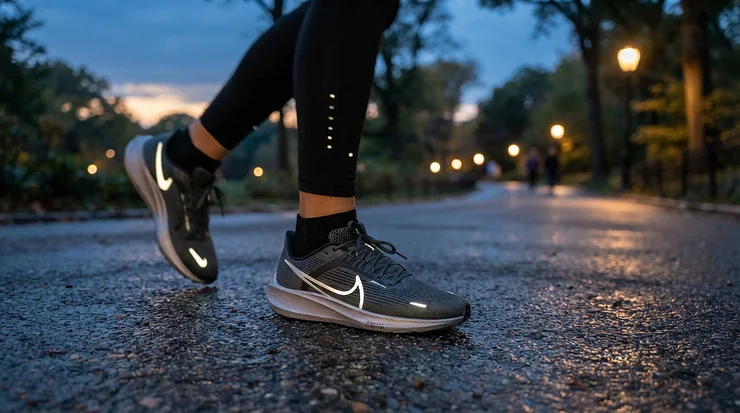
If you have a high arch, you already know the plot twist. That elegantly curved foot, so photogenic on the beach, turns into a stiff, impact-forwarding lever the moment it meets pavement. Choosing running shoes for high arches isn’t about grabbing the squishiest pair on the wall. It’s about pairing a rigid, shock-sensitive foot with a platform that cushions, centers, and then politely gets out of the way.
Here’s the physics in plain English. According to the Cleveland Clinic’s overview of high arch feet, high arches don’t roll inward very well, so the foot tends to stay on its outer edge. Less rolling means less natural shock absorption, and more load funneled into the heel and the ball of the foot. That’s why so many runners searching for running shoes for high arches and supination end up in the same aisle: neutral cushioned shoes high arch runners can trust, mile after mile.
This guide compares seven real, currently available models using manufacturer specs and published expert-review findings. I haven’t field-tested these shoes, so you won’t find invented lab notes or fake customer quotes here. You will find honest analysis: what each spec means underfoot, who each shoe suits, and where it may disappoint. We’ll also cover fit, break-in, and a rigid arch support alternative for runners who find hard arch bumps annoying.
One quick note. This is shopping guidance, not medical advice, and persistent pain deserves a professional’s eyes.
Quick Comparison: Running Shoes for High Arches at a Glance
Short on time? This table sorts the field by what each shoe does best. Price ranges reflect the time of research and will shift, so check current price before you buy.
| Shoe | Standout Trait | Price Range | Best For |
|---|---|---|---|
| ASICS Gel-Nimbus 28 | Plush yet centered cushioning | $150-$190 | Long easy miles, hard heel strikers |
| Brooks Glycerin 23 | Soft, stable-neutral platform | $150-$190 | Runners wanting plush without a strong rocker |
| New Balance 1080v15 | Widest size range | $150-$190 | High arch plus tall instep or wide forefoot |
| HOKA Clifton 11 | Lighter rocker feel | $140-$170 | Daily miles with a rolling transition |
| Saucony Triumph 24 | Cushion with low weight | $150-$190 | Runners at home in 10 mm drops |
| Brooks Ghost 18 | Predictable, traditional ride | $130-$160 | Everyday training, rocker skeptics |
| adidas Supernova Rise 3 | Balanced value | $110-$150 | Budget-conscious daily runners |
The Brooks Ghost 18 and adidas Supernova Rise 3 prove you don’t need to spend premium money to get a sensible neutral shoe. If cushioning depth is your priority, the ASICS Gel-Nimbus 28 and Saucony Triumph 24 justify the step up. And if your real problem is a tall instep rather than arch height, the New Balance 1080v15 may solve it better than any of them.
💬 Just one click — help others make better buying decisions too!😊
Top 7 Running Shoes for High Arches: Expert Analysis
I ranked these by cushioning control, fit flexibility, and platform stability rather than by marketing claims. Specs below are manufacturer reference figures for men’s sizes, and women’s versions differ slightly. I couldn’t verify individual customer-review counts for every model, so the sentiment notes reflect themes across published expert reviews. Check each live listing for current customer ratings.
1. ASICS Gel-Nimbus 28 — plush cushioning that stays centered
The signature trick here is composure: soft foam that doesn’t wobble when your foot lands hard on its outer edge.
FF BLAST PLUS foam and PureGEL in the heel soften the landing. The 8 mm drop sits between the 6 mm and 10 mm extremes, so it slots into most rotations without shocking your calves. At roughly 9.9 oz, it’s substantial but sensible for a max-cushion trainer, and Standard and Wide widths give you real fit choices.
Because high-arched feet tend to load the outside edge, a neutral platform with a secure heel is a safer first comparison than a corrective post. On paper, that makes the ASICS Gel-Nimbus 28 a natural neutral cushioned shoes high arch pick for easy and long runs. Skip it for sharp speed sessions, since it isn’t built for them.
Reviewers consistently describe the ride as plush but controlled. The recurring complaint is that the knit upper can press on a very tall instep.
Pros:
- ✅ Deep cushioning that stays stable underfoot
- ✅ Secure heel with multiple width options
- ✅ Mid-range 8 mm drop fits most rotations
Cons:
- ❌ Knit upper may pressure tall insteps
- ❌ Too soft and heavy for speedwork
Expect roughly $150-$190. That’s premium money, but the value verdict is strong for high-mileage runners.

2. Brooks Glycerin 23 — soft landing without a pushy rocker
Think of it as the comfy armchair of this list: plush, wide, and reassuringly traditional in how it rolls forward.
DNA TUNED cushioning is soft at the heel and firmer toward toe-off, which keeps the transition coherent. The 8 mm drop and roughly 10.6 oz weight put it on the heavier side, but the broad base supplies stability without a medial post. Standard, wide, and selected extra-wide options broaden the fit window.
Pay attention to the word “neutral.” The standard Brooks Glycerin 23 is the neutral model; the GTS version adds GuideRails and is a different decision entirely. A high arch alone neither requires nor rules out guidance, so compare both only if neutral feels unstable. For runners who want shock absorption midsole softness but dislike a pronounced rocker, this is the logical stop.
Reviewers praise the soft heel and settled feel. The common critique is weight, plus a midfoot that can feel structured over a tall instep.
Pros:
- ✅ Broad, stable platform without a medial post
- ✅ Soft heel with coherent toe-off
- ✅ Wide and extra-wide options available
Cons:
- ❌ Heavier than most rivals at 10.6 oz
- ❌ Midfoot can feel snug on high insteps
Typically in the $150-$190 range, it’s a fair price for a plush daily workhorse.
3. New Balance 1080v15 — widest size range in the lineup
Here’s a secret many high-arch shoppers miss: your problem may not be arch height at all. It may be instep volume.
The 6 mm drop and Infinion foam make for a soft, smooth roll at daily pace. At about 9.2 oz it’s lighter than most plush trainers. The headline spec, though, is sizing: men’s B through 4E and women’s 2A through 2E, which is far wider than the field.
Based on the spec comparison, the New Balance 1080v15 is the smartest option when high arches come bundled with a tall instep or wide forefoot. The catch is the 6 mm drop. If you’re coming from a 10 mm shoe, ease in rather than leap, because lower offsets shift load toward the calves.
Reviewers like the sock-like wrap and bouncy feel. The most common caution is that a wider width that clears the instep can let the heel lift.
Pros:
- ✅ Exceptional width range for tricky fits
- ✅ Soft, smooth Infinion ride
- ✅ Reasonable weight for the cushion level
Cons:
- ❌ 6 mm drop demands a gradual transition
- ❌ Wider widths may loosen heel hold
Expect around $150-$190. The value is excellent if width is your real obstacle.
4. HOKA Clifton 11 — lighter rocker for everyday miles
If you like that rolling, forward-tipping sensation but find bigger rockered shoes cumbersome, this is the compromise.
The MetaRocker geometry nudges you through the stride, and the 8 mm drop makes it easy to rotate with conventional trainers. At about 10.0 oz it’s lighter than the plushest options here. That rolling action can help a stiff forefoot that resists bending.
What the spec sheet won’t tell you is how the rocker feels on turns. Lighter runners with compact strides may enjoy the agility, but the HOKA Clifton 11 is less planted at the edges than broader shoes. Since high arches already push you toward your outer edge, test it on corners and cambered roads. Also confirm the model number, because Clifton 10 and 11 aren’t the same shoe.
Reviewers of recent Clifton versions often note a roomy upper. Some testers flag the internal arch contour, so judge any pressure after your foot warms up.
Pros:
- ✅ Lighter rocker eases the forward roll
- ✅ 8 mm drop suits most rotations
- ✅ Roomy upper reported by many reviewers
Cons:
- ❌ Less planted on sharp turns
- ❌ Arch contour may bother some feet
Plan on roughly $140-$170, with solid value for versatile daily miles.
5. Saucony Triumph 24 — plush cushion at a surprisingly low weight
This one answers a simple question: can plush be light? Mostly, yes.
The 10 mm drop (40 mm heel, 30 mm forefoot) and incrediLUX foam deliver deep cushioning at about 8.8 oz. That’s the best cushion-to-weight ratio on this list. A dedicated Wide version expands fit options.
The Saucony Triumph 24 suits runners with years of comfortable mileage in higher-drop shoes, because it preserves that familiar geometry. The tall stack is its trade-off: it must stay centered underfoot, so test it on turns before you commit. Width is for foot perimeter, not arch support, and unnecessary width can destabilize the rearfoot.
Reviewers describe it as livelier than most premium cushioned shoes and light for its protection. The caution is stability on sharp turns, given the tall platform.
Pros:
- ✅ Outstanding cushion-to-weight ratio
- ✅ Familiar 10 mm drop for easy swaps
- ✅ Dedicated wide version available
Cons:
- ❌ Tall stack can feel vague cornering
- ❌ Awkward step for low-drop converts
Expect around $150-$190. The value is strong for long-mileage runners who like a lively ride.

6. Brooks Ghost 18 — the dependable, no-drama daily trainer
The standout feature is how ordinary it feels, and for many runners that’s the highest praise.
DNA LOFT v3 cushioning, a 10 mm drop, and roughly 10.2 oz make it a conventional, balanced shoe with multiple widths. Its transition is flexible rather than rockered, and the heel is easy to lock down.
I treat the Brooks Ghost 18 as the reality check. A high arch doesn’t automatically demand maximum stack height, and if a firmer, more connected shoe feels better than a plush one, don’t chase extra technology. The trade-off is less forefoot depth than the Nimbus, Glycerin, or Triumph.
Reviewers highlight an easy fit and consistent ride, and the Ghost line has been popular for well over a decade. Some find it unexciting for speed days.
Pros:
- ✅ Predictable ride with an easy fit
- ✅ Flexible transition for non-rocker fans
- ✅ Multiple width choices
Cons:
- ❌ Less forefoot cushion than max-stack rivals
- ❌ Feels ordinary on faster days
Roughly $130-$160 is the typical range, which is excellent value for a reliable daily shoe.
7. adidas Supernova Rise 3 — balanced value for budget-minded runners
Consider this the sensible middle child: soft enough for easy days, coherent enough when pace picks up.
Dreamstrike+ cushioning, a Primeweave upper, and an approximate 8 mm drop at about 9.59 oz make it a stable-neutral package without max-cushion bulk. Standard and dedicated wide versions are available.
To be clear, the adidas Supernova Rise 3 isn’t a supination shoe. It’s a neutral shoe that some runners who load the outer edge may find controlled. It sits between the Ghost and Glycerin, offering a mild step up from firm without the price of a premium cushion shoe. Heel security is the key fit check; narrow rearfeet may need the final eyelet.
Reviewers like the balance of softness and control at a sensible price. The caution is that heel hold isn’t universal.
Pros:
- ✅ Soft yet coherent daily ride
- ✅ Strong value versus premium cushion shoes
- ✅ Dedicated wide version available
Cons:
- ❌ Heel hold varies by foot shape
- ❌ Less cushion than max-stack options
Expect around $110-$150, making it the budget pick of the group.
Top 7 Spec Snapshot
| Shoe | Drop | Weight (men’s) | Cushion Tech | Best For |
|---|---|---|---|---|
| ASICS Gel-Nimbus 28 | 8 mm | ~9.9 oz | FF BLAST PLUS + PureGEL | Long, easy miles |
| Brooks Glycerin 23 | 8 mm | ~10.6 oz | DNA TUNED | Plush without a rocker |
| New Balance 1080v15 | 6 mm | ~9.2 oz | Infinion | Tall instep, wide feet |
| HOKA Clifton 11 | 8 mm | ~10.0 oz | MetaRocker midsole | Lighter rolling ride |
| Saucony Triumph 24 | 10 mm | ~8.8 oz | incrediLUX | Lively long runs |
| Brooks Ghost 18 | 10 mm | ~10.2 oz | DNA LOFT v3 | Predictable daily miles |
| adidas Supernova Rise 3 | ~8 mm | ~9.59 oz | Dreamstrike+ | Value daily training |
Most of these shoes cluster between 8 and 10 mm drop, which suggests the market sees mid-to-high offsets as a safe default for rigid feet. The New Balance 1080v15 is the outlier at 6 mm, so it rewards runners who’ve already adapted. Weight differences are small enough that fit and ride feel should break any tie.
✨ Ready to upgrade your miles?
🔍 Take your running to the next level with these carefully selected shoes. Click any highlighted product name to check current pricing and availability, and find the pair that gives your high arches the protection they deserve! 🏃♂️
Fit and Break-In Guide: Your First 30 Days in New Running Shoes for High Arches
Great shoes can still go wrong without smart fitting. This is the practical stuff Amazon listings skip.
Fit it right. Shop later in the day when your feet have swelled, and wear the socks you’ll actually run in. Leave roughly a thumb’s width ahead of your longest toe. Treat length, width, and instep height as three separate problems, because sizing up to fix top-of-foot pressure usually just creates heel slip.
Try window lacing. Skip the crossing directly over the pressure point, then keep the upper and final eyelets snug. This relieves tall-instep pressure without losing heel hold. Numbness means the shape is wrong, not the laces.
The first 30 days. Keep your first few runs short and easy, even if the shoe feels amazing. Rotate with your old pair so your legs adapt gradually, especially if you’re changing drop, such as moving from a 10 mm Brooks Ghost 18 to a 6 mm New Balance 1080v15.
Common mistakes: judging softness in the first minute (let the foam warm up), ignoring next-morning soreness, and tracking mileage by memory. A running log helps, since a commonly cited replacement window is roughly 300-500 miles, though condition and response matter more than any calendar.
If you use orthotics, remove the factory sockliner first and recheck heel height and toe volume. Stacked inserts steal space and change how your foot sits on the platform.
Real-World Scenarios: Matching Running Shoes for High Arches to Real Runners
Specs only matter when they meet a life. Here are three hypothetical runner profiles, matched with reasoning.
Profile 1: The city commuter. Twenty miles a week on sidewalks, a budget under the mid-$100s, and a foot that gets sore on concrete. The adidas Supernova Rise 3 or Brooks Ghost 18 fits the brief: balanced cushioning, easy fit, and reasonable pricing. Rotate two pairs and your shoes will last longer.
Profile 2: The marathon trainee. Thirty-five to forty miles weekly, heel striking, with outer-edge wear on old shoes. This runner needs shock absorption midsole depth for long runs, so the ASICS Gel-Nimbus 28 handles easy and long days. A Saucony Triumph 24 can serve as the livelier second shoe, provided the runner is comfortable at 10 mm.
Profile 3: The hard-to-fit foot. Fifteen miles a week, a tall instep, and a wide forefoot that makes most shoes feel like a vise. The New Balance 1080v15, with its width ladder, is the logical first try. Test with window lacing before changing size.
Notice the pattern: the right pick follows the problem, not the label “high arch.”
Problem → Solution Guide: Fixing Common High-Arch Running Headaches
Problem 1: Outer-ankle wobble. Your foot sits on its outer edge, so narrow or tall-stack shoes can feel unstable. Look for a broad platform like the Brooks Glycerin 23. If you also suffer recurring sprains, see a clinician rather than relying on shoes alone.
Problem 2: Pressure on top of the foot. Don’t buy a bigger size by reflex. Try window lacing, a different width, or a roomier upper such as the New Balance 1080v15.
Problem 3: Sore heels or ball-of-foot after long runs. High arches concentrate load in those two zones, so prioritize shock absorption midsole quality. The ASICS Gel-Nimbus 28 and Saucony Triumph 24 are the plusher choices, and rotating pairs spreads the strain.
Problem 4: The shoe feels mushy. Too much softness can feel vague. Step down to the firmer, more connected Brooks Ghost 18.
Problem 5: An arch ridge digging in. If you can feel a distinct ridge while standing, don’t wait for break-in. Try a model with a calmer interior, and be especially careful with rockered designs like the HOKA Clifton 11, where some testers flag arch contour.
What Are Running Shoes for High Arches?
Running shoes for high arches are neutral, well-cushioned trainers with a secure heel, enough midfoot room, and a midsole soft enough to absorb impact that a stiff, high-arched foot can’t dissipate on its own. They generally skip aggressive corrective posts and prioritize shock absorption, fit volume, and stable platform geometry.
Why neutral? Stability features are designed to slow inward rolling, and high arches typically don’t roll inward enough to need that. Arch height and gait are also not the same thing. As the Wikipedia entry on foot type explains, foot type reflects the overall shape of the foot, the arch, and how much the foot pronates. People can land at different points on that spectrum regardless of how their arch looks standing still.
That nuance matters in the store. A wet-footprint test with a thin arch strip suggests a high arch, but it doesn’t diagnose how you move. If you want certainty, a gait analysis with a podiatrist or physical therapist beats guessing.
For most runners, the practical takeaway is simple: start with neutral cushioned shoes high arch runners tolerate well, then adjust for width, drop, and personal feel. Everything else is fine-tuning.
How to Choose Running Shoes for High Arches
Follow these seven steps to avoid expensive guesswork.
- Start neutral. Neutral cushioned shoes high arch runners favor are the cleanest baseline. Add guidance only if a side-by-side jog clearly feels better.
- Prioritize shock absorption midsole quality. Rigid feet absorb less impact naturally, so foam resilience matters more than a flashy name.
- Check platform width. A broad base helps keep a foot that favors its outer edge centered.
- Fit length, width, and instep separately. Arch height isn’t instep volume, and confusing the two causes most bad purchases.
- Stay near your current drop. If you’re comfortable at 10 mm, don’t leap to 6 mm just because a review loved it.
- Test loaded fit. Wear your running socks, walk, turn, and jog. Reject any shoe with a hard arch ridge or numb toes after warming up.
- Plan for inserts. If you use orthotics, check for a removable sockliner and spare internal volume.
Hard arch bumps are not mandatory. As the American Orthopaedic Foot & Ankle Society notes, shoe modifications such as wider-bottomed shoes can add stability for cavus feet, which supports choosing platform shape over aggressive arch features.
Neutral Cushioned Shoes High Arch vs Stability Shoes: Which Wins?
Stability shoes exist to resist inward collapse. That’s a helpful job for flat, overpronating feet. For rigid, high-arched feet, extra medial structure may add stiffness where you already have plenty.
Neutral cushioned shoes high arch runners prefer instead emphasize softness and a broad base. Their job is to spread impact, not steer your foot. That said, “neutral wins by default” isn’t a law. If a guided option feels calmer in a side-by-side test without rail pressure, it’s still a valid choice.
Then there’s the third option: relying on a rigid arch support alternative such as custom or off-the-shelf inserts inside a neutral shoe. That can work, but it adds cost and complexity.
| Feature | Neutral Cushioned | Stability (Guided) | Insert-Based Setup |
|---|---|---|---|
| Shock absorption | High | Moderate | Depends on shoe |
| Correction | None | Medial posts or rails | Contoured insert |
| Simplicity | Easy | Moderate | More variables |
| Best For | ASICS Gel-Nimbus 28, Brooks Glycerin 23 | Runners who feel steadier guided | Runners with clinician guidance |
Looking at the table, neutral shoes win on simplicity and shock absorption for most high-arched runners. Stability designs earn their place only when your own test run says so. Inserts shine when a clinician recommends them, though adding one means rechecking heel height and toe room.
Running Shoes for High Arches and Supination: What to Expect on the Road
Supination, also called underpronation, means the foot rolls outward or doesn’t roll inward enough after landing. According to Medical News Today’s overview of supination, it puts weight on the outside of the foot and can contribute to ankle pain, sprains, and calluses on the outer edge.
High arches and supination often travel together, but they aren’t identical. A person can have a high arch and a perfectly ordinary gait. The reverse is also true.
So what should running shoes for high arches and supination do in practice? Expect these behaviors:
- Soft but stable landings. Look for a heel that compresses centrally. The ASICS Gel-Nimbus 28 is built around exactly this idea.
- A broad outsole. Wider bases, like the Brooks Glycerin 23, reduce the tippy feeling on turns.
- Outer-heel wear on old shoes. That’s a sign worth sharing with a fitting specialist.
Expect a short adjustment period. Cushioned, neutral shoes may feel different from the firm trainers you’ve used before. Ease in, log how your ankles feel, and if you notice recurring rolls or sprains, schedule a gait analysis rather than hoping the next shoe fixes it.
Shock Absorption Midsole: Features That Actually Matter (And Those That Don’t)
Every brand names its foam something dramatic. FF BLAST PLUS, Infinion, incrediLUX, DNA LOFT v3, Dreamstrike+: it reads like a superhero roster. Strip away the branding and a shock absorption midsole is judged by a few real traits.
What matters:
- Resilience over time. Foam that stays predictable after the first mile beats foam that’s merely soft in the store.
- Central compression. If your heel sinks to one side, you’re correcting the shoe instead of running.
- Platform width and geometry. A soft foam on a narrow base amplifies instability, which is the last thing a supinating foot needs.
- Heel security. Cushion is wasted if your heel slides around.
What doesn’t matter as much:
- Raw stack height. The Saucony Triumph 24 shows a tall stack can be light, but height alone says nothing about control.
- First-step softness. Judge the shoe after your foot warms up, and again the next morning.
- Arch-bump size. A bigger bump isn’t “more support,” just more potential pressure.
Remember that the Brooks Ghost 18 can outrank flashier shoes if its firmer feel keeps you centered. Cushioning is about control, not squish.
Rigid Arch Support Alternative: What to Try Before (or Alongside) Orthotics
Some shoes lean on a pronounced built-in arch ridge. If that sounds like a bruise waiting to happen, you’re not alone, and you have options. A good rigid arch support alternative focuses on how the whole shoe distributes load rather than relying on one hard contact point.
Start with these:
- A broad, stable platform. The Brooks Glycerin 23 is a good example of stability built from shape rather than a stiff post.
- Removable sockliners. They let you swap in a device later without crowding the shoe.
- Smart lacing. Pressure management through lacing often beats buying a different shoe.
- Soft midsole contours. Gentle shaping feels better than a sharp ridge.
Is there evidence for orthoses at all? Yes, for painful cases. A randomized controlled trial analysis in PubMed Central of 154 participants with painful pes cavus concluded that custom-made foot orthoses were beneficial, and noted an estimate that about 60% of people with pes cavus experience foot pain. That’s a reason to talk with a podiatrist, not a reason to self-prescribe.
If pain persists, your ankle keeps rolling, or you notice weakness or numbness, get assessed. The Cleveland Clinic notes that symptomatic high arches can sometimes signal an underlying condition.
Long-Term Cost & Maintenance: Making Running Shoes for High Arches Last
Premium shoes cost more upfront, but cost per mile tells a fairer story. A shoe in the mid-$100s that lasts 300-500 miles works out to roughly 30-55 cents per mile. A cheaper shoe that flattens out sooner can end up costing more.
| Shoe | Price Range | Tier | Value Verdict |
|---|---|---|---|
| adidas Supernova Rise 3 | $110-$150 | Budget | Great entry-level value |
| Brooks Ghost 18 | $130-$160 | Mid-range | Dependable daily workhorse |
| HOKA Clifton 11 | $140-$170 | Mid-range | Fair for a rocker ride |
| ASICS Gel-Nimbus 28 | $150-$190 | Premium | Worth it for long mileage |
| Brooks Glycerin 23 | $150-$190 | Premium | Plush stability pays off |
| Saucony Triumph 24 | $150-$190 | Premium | Light cushion, strong value |
| New Balance 1080v15 | $150-$190 | Premium | Best if width is the problem |
The budget tier delivers surprisingly good value if your needs are moderate. Premium shoes earn their keep for runners logging high weekly mileage, where better foam durability and fit matter most. Prices are ranges at the time of research and may vary.
Maintenance is simple. Rotate two pairs, air them out, never machine-dry them, and replace based on feel and condition rather than pride. If new aches appear, the shoe may be done.
Frequently Asked Questions
❓ What heel drop is best for running shoes for high arches?
❓ Can I use my own insoles in neutral cushioned shoes high arch models?
❓ Are rocker shoes like the HOKA Clifton 11 good for high arches?
❓ Should I buy wide shoes if I have a high arch?
❓ Does shock absorption midsole foam wear out quickly?
Conclusion
High arches ask one thing of a shoe: cushion the impact without shoving you off balance. Every pick here approaches that job a little differently. The ASICS Gel-Nimbus 28 and Brooks Glycerin 23 deliver plush, stable comfort for long miles. The New Balance 1080v15 rescues runners whose real problem is a tall instep or wide forefoot. The HOKA Clifton 11 adds a lighter rolling ride, while the Saucony Triumph 24 offers deep cushion without the heft. For no-nonsense daily running, the Brooks Ghost 18 and adidas Supernova Rise 3 make a strong, sensible case.
Remember the bigger lessons. Start neutral. Judge shock absorption midsole quality by control, not squish. Treat a rigid arch support alternative as a legitimate option if hard arch bumps bother you. And never ignore persistent pain, because shoes improve comfort but can’t fix bone structure or guarantee injury prevention.
The best running shoes for high arches are the ones that disappear once you’re moving. Pick the model that matches your actual problem, ease in gradually, and let the miles do the talking.
✨ Your best miles are waiting!
👟 Compare the shoes above, click any highlighted product name to check current pricing and availability, and give your high arches the protection they’ve earned. 🏃♂️
Recommended for You
- Running Shoes For Knee Pain: 7 Proven Picks For 2026
- Running Shoes For Plantar Fasciitis: 7 Proven Picks 2026
- 7 Best Running Shoes For Supination In 2026
Disclaimer: This article contains affiliate links. As an Amazon Associate, I earn from qualifying purchases. If you purchase products through these links, we may earn a small commission at no additional cost to you.
✨ Found this helpful? Share it with your friends! 💬🤗
