

In This Article
Here’s a scene that plays out in running stores every single day: a guy grabs his usual size, laces up, jogs a lap around the display rack, and feels that familiar pinch across the ball of his foot. He shrugs it off. “Shoes just feel like that,” he tells himself. They don’t. If you’ve ever finished a run and immediately kicked your shoes off like they were on fire, or watched a blister bloom across your pinky toe after mile four, you’re not dealing with bad luck — you’re dealing with the wrong width.

Running shoes for wide feet men actually need aren’t some rare specialty item hiding in a back room. Major brands build entire lines in 2E and 4E, and once you know what to look for, finding one is closer to ordering a pizza than solving a mystery. The catch is that “wide” isn’t one-size-fits-all: a shoe labeled wide can still crush your bunion if the brand just stretched a standard last instead of building a genuinely wider one from scratch.
This guide cuts through the noise. We researched real products, real spec sheets, and real aggregated review sentiment to bring you seven shoes that actually deliver on their wide-fit promise — plus the deeper context on wide toe box design, D width vs 2E width, and what makes a shoe genuinely bunion-friendly running shoes territory rather than marketing fluff.
Quick Comparison: Best Running Shoes for Wide Feet Men
| Shoe | Widths Available | Best For | Price Range |
|---|---|---|---|
| Brooks Ghost 18 | 2E, 4E | Best overall daily trainer | $140-150 range |
| New Balance Fresh Foam X 1080v15 | 2E, 4E | Plushest ride, long miles | $160-170 range |
| HOKA Bondi 9 | 2E, 4E | Max cushion, recovery days | $165-175 range |
| ASICS Gel-Kayano 31 | 2E, 4E | Stability + overpronation | $155-170 range |
| Altra Escalante 4 | Standard (naturally wide) | Bunion-friendly, zero drop | $120-135 range |
| Topo Athletic Magnifly 5 | Standard (naturally wide) | Widest stock toe box | $130-140 range |
| Under Armour Charged Assert 10 | 4E (X-Wide) | Budget pick | Under $80 |
Looking at the lineup above, the pattern that jumps out is this: brands split into two camps — those that offer official wide-width upgrades (Brooks, New Balance, HOKA, ASICS) and those that just build every shoe wide from the factory floor (Altra, Topo). Neither approach is objectively better, but if your feet are wide and you have bunions, the naturally-wide-last brands tend to edge out shoes that were widened after the fact. Budget shouldn’t be a barrier either — the Under Armour Charged Assert 10 proves a sub-$80 shoe can still deliver a genuine extra-wide fit.
💬 Found a shoe that finally fits right? Bookmark this page — your feet (and your running buddies) will thank you.
What Is a Wide Toe Box Design?
A wide toe box design is the extra volume built into the front third of a shoe, specifically around the ball of the foot and the toes, letting them splay naturally instead of being pinched into a narrow point. It’s the single biggest factor separating a shoe that merely fits your foot length from one that actually fits your whole foot.
Here’s the part most runners never think about until it’s too late: your feet don’t stay a fixed size while you run. According to the American Academy of Orthopaedic Surgeons, sustained pressure on the big toe joint from tight footwear is one of the primary mechanical contributors to bunion progression over time. Every stride sends a wave of pressure through the forefoot, and feet genuinely swell over the course of a long run — sometimes by close to half a size. If your shoe was already snug at mile zero, by mile eight you’re running in something that fits like a vice.
What separates a genuinely wide toe box from a marketing label is where the width lives. Some brands widen the whole platform evenly from heel to toe. Others just loosen the upper material around the forefoot while keeping the sole narrow underneath — which feels roomy for the first five minutes and then lets your foot slide sideways off the platform for the rest of the run. When you’re trying on a shoe, press your thumb against the side of the upper right at the widest part of your foot. If there’s a stiff seam or the sole doesn’t extend to match, that’s a stretched-standard shoe wearing a wide costume, not a true wide build.
D Width vs 2E Width: Reading the Label Correctly
If you’ve stood in a shoe aisle squinting at letters like D, 2E, and 4E wondering if you accidentally wandered into the electronics section, you’re not alone. For men’s shoes specifically, D is the standard, everyday width — what you get by default if a shoe doesn’t list a width at all. 2E is one full step up, generally regarded as “wide.” 4E goes further still, into “extra-wide” territory, and it’s usually where you’ll want to start looking if you’ve been buying a half-size up just to get some breathing room across the forefoot.
Here’s where it gets genuinely confusing: those same letters mean something completely different on the women’s side. A women’s D is actually considered wide, not standard — so if you’re shopping a unisex release or converting a size, don’t assume the letter means the same thing across genders. Always check the specific brand’s width chart rather than relying on the letter alone.
The practical difference between 2E and 4E in the real world isn’t dramatic on paper — it typically works out to roughly half an inch across the ball of the foot — but on an actual foot mid-run, half an inch is the difference between “comfortable” and “numb pinky toe by mile six.” If you’re on the fence, most fit specialists suggest sizing based on where you feel resistance: if a 2E still leaves a red mark on the side of your foot after a short test jog, don’t force it — the 4E exists for exactly that scenario.
| Width Letter | Classification (Men’s) | Typical Use Case |
|---|---|---|
| D | Standard/Medium | Default fit, no width complaints |
| 2E | Wide | Mild forefoot pressure, occasional hot spots |
| 4E | Extra-Wide | Bunions, swelling, chronic side-of-foot pain |
The takeaway from this chart is straightforward: don’t guess your way up the ladder one letter at a time through trial and error if you already know you have persistent width issues. Jumping straight to a 2E and reassessing after one long run saves you the cost — and the blisters — of buying twice.
Bunion-Friendly Running Shoes: What Actually Helps
Bunion-friendly running shoes aren’t just wide shoes with a different label slapped on — the priority shifts specifically to the shape of the forefoot rather than the overall volume of the shoe. A shoe can be technically wide throughout and still aggravate a bunion if the toe box tapers to a point right where the bump on your foot sits.
According to information from the American Podiatric Medical Association, footwear evaluated for the organization’s Seal of Acceptance program is reviewed by a panel of practicing podiatrists specifically for whether it supports natural foot function — and toe box shape is a central part of that review. When you’re shopping specifically for bunion relief, look past the width label and check the actual silhouette of the shoe from above: does the toe box taper to a narrow point, or does it stay roughly rectangular all the way to the front? Rectangular, or what shoe engineers sometimes call an “anatomical” last, gives the widened first metatarsal joint room to exist without constant rubbing.
This is exactly why brands like Altra and Topo Athletic show up so often in bunion-specific recommendations even though they don’t offer separate wide-width SKUs at all — their standard last is already shaped closer to a natural, unshod foot than a traditional tapered running shoe. A seam or overlay sitting directly over the bunion joint is another silent aggravator that plenty of shoppers miss; a soft, seamless, or minimally-stitched panel right at that pressure point can be the difference between a shoe you can run six miles in and one that has you limping by mile two.
Top 7 Running Shoes for Wide Feet Men: Expert Analysis
1. Brooks Ghost 18 — best overall wide-fit daily trainer
The standout here isn’t flashy — it’s consistency, and consistency is exactly what wide-footed runners have historically struggled to find.
The Brooks Ghost 18 ships in both 2E and 4E widths for men, built on DNA Loft v3 cushioning that softens landings without turning mushy underfoot. Based on the spec comparison against its predecessor, the redesigned engineered mesh upper offers noticeably more stretch through the forefoot, which matters more than a spec sheet number suggests — a mesh that flexes with your foot’s natural swelling behaves completely differently over a 10-mile run than one that just starts out roomy and stays rigid.
What most buyers overlook about this model is that it also carries the APMA Seal of Acceptance, meaning a panel of practicing podiatrists reviewed its design for genuine foot-health benefit rather than just marketing claims. That’s a meaningful signal in a category full of shoes that call themselves “comfortable” without any independent review behind the label. Reviewers consistently report that the Ghost line runs true to size even in the wide options, which sounds minor until you’ve dealt with a “wide” shoe that somehow still runs a half-size small.
Pros:
- ✅ Genuine 2E and 4E options, not a stretched standard
- ✅ APMA Seal of Acceptance for foot-health credibility
- ✅ Reliable daily-trainer ride for beginners through veterans
Cons:
- ❌ Not built for speed work or race day
- ❌ 4E colorways are more limited than standard width
At around $140-150, the Brooks Ghost 18 earns its reputation as the safe, reliable pick — the shoe you buy when you just want your feet to stop hurting.
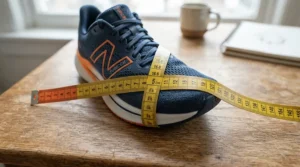
2. New Balance Fresh Foam X 1080v15 — plushest ride for long miles
If the Ghost is the reliable daily driver, the New Balance Fresh Foam X 1080v15 is the plush recovery-day cruiser that makes 12-mile Sundays feel manageable.
New Balance’s men’s 1080 line comes in both 2E and 4E, and the 4E in particular has a reputation as one of the widest neutral running shoes available from any major brand. What that translates to in practice: the newly reworked midsole foam shed weight from the previous version while keeping — arguably improving — the soft, protective landing feel the 1080 line built its name on. Here’s what the spec sheet won’t tell you, but reviewers note: New Balance’s wide fittings tend to add depth as well as width, meaning there’s extra room between the top of your foot and the upper, not just side to side. That’s a genuinely different fix than brands that only widen sideways.
Based on the spec comparison, the 8mm drop sits in a middle ground — not as flat as some minimalist options, not as steep as older max-cushion shoes — which makes it approachable for runners transitioning from a stability shoe without a jarring change in feel.
Pros:
- ✅ Widest 4E option among major neutral trainers
- ✅ Adds depth as well as width for swollen feet
- ✅ Lighter than the previous generation without losing cushioning
Cons:
- ❌ Premium price point compared to category average
- ❌ Softer ride isn’t ideal if you want ground feel
Priced around $160-170, the New Balance Fresh Foam X 1080v15 is the pick for runners prioritizing comfort over speed, especially on long-distance training days.
3. HOKA Bondi 9 — max cushion for recovery and easy days
The HOKA Bondi 9 takes a different approach entirely: instead of asking your legs to absorb impact, it tries to absorb almost all of it before the shock ever reaches you.
Available in wide and extra-wide fittings for men, the Bondi pairs HOKA’s early-stage MetaRocker geometry with a soft, flexible mesh upper that stretches around the toes rather than resisting them. What most buyers overlook about this model is that the rocker shape does double duty for wide-footed runners — because the forefoot rolls forward instead of requiring a hard toe-off, there’s less lateral pressure on the joint at the base of the big toe with every stride, which matters enormously if bunions are part of your picture. Reviewers consistently note that HOKA’s Active Foot Frame technology, which cradles the foot from the sides rather than just cushioning from below, helps keep a wide foot centered on the platform instead of sliding around inside a roomy upper.
Aggregated review sentiment does flag one recurring theme: the sheer stack height takes some adjustment for runners coming from lower-profile shoes, and the ride can feel less “connected to the ground” than some prefer.
Pros:
- ✅ Wide and extra-wide fittings genuinely available
- ✅ MetaRocker reduces forefoot pressure on toe-off
- ✅ Best-in-class shock absorption for recovery runs
Cons:
- ❌ Tall stack height feels unstable to some new users
- ❌ Heavier than road-racing-focused alternatives
At around $165-175, the HOKA Bondi 9 earns its keep on easy days and for runners who log serious weekly mileage and need their joints to survive it.
4. ASICS Gel-Kayano 31 — best for stability and overpronation
Wide feet and overpronation show up together more often than most runners realize, and the ASICS Gel-Kayano 31 is built specifically for that overlap.
The forefoot GEL technology cushions the exact zone where bunion pressure typically concentrates, while a supportive guidance system underneath corrects the inward roll that overpronators experience with every stride. Based on the spec comparison with earlier Kayano generations, ASICS widened the forefoot silhouette without adding bulk to the midsole, so the wide fitting doesn’t come at the cost of the shoe’s stability credentials. What that means in practice for buyers with bunions: a spacious toe box paired with genuine motion control, rather than having to choose one or the other.
Reviewers consistently report that runners who need arch support switching from a neutral wide shoe notice an immediate reduction in ankle rolling and forefoot friction — the two most commonly cited daily complaints among wide-footed runners with pronation issues.
Pros:
- ✅ Combines wide fit with genuine stability control
- ✅ Forefoot GEL cushions the bunion pressure zone
- ✅ Trusted by runners managing overpronation long-term
Cons:
- ❌ Heavier than neutral trainers in the same price bracket
- ❌ Overkill if you don’t actually overpronate
At roughly $155-170, the ASICS Gel-Kayano 31 is the smart call for anyone whose wide-foot problem comes bundled with arch or alignment issues.
5. Altra Escalante 4 — zero-drop comfort for natural bunion relief
The Altra Escalante 4 doesn’t offer a wide-width option — because the whole shoe is already built on Altra’s signature foot-shaped last, which is naturally roomier through the toes than almost any competitor’s standard fit.
Here’s what most buyers overlook about this model: Altra’s zero-drop platform keeps the heel and forefoot at the same height off the ground, which changes how pressure travels through the foot during a stride. Combined with the anatomically shaped toe box — wide enough for toes to spread flat rather than being squeezed into a point — this design directly targets the mechanical irritation that aggravates bunions during repetitive motion. Reviewers consistently note that runners transitioning from traditional shoes need a genuine adjustment period for the zero-drop feel, since calves and Achilles tendons that are used to an elevated heel take real time to adapt.
If you cannot verify specific customer star-rating breakdowns for this exact model at the time of research, what is consistently reported across owner discussions is the same theme: toe splay comfort is the reason people buy Altra in the first place, and it’s the reason they stay loyal to the brand afterward.
Pros:
- ✅ Naturally wide, foot-shaped toe box from the factory
- ✅ Zero-drop design reduces forefoot pressure points
- ✅ No separate “wide” SKU confusion — one shape for everyone
Cons:
- ❌ Zero-drop requires an adjustment period for new users
- ❌ Less structured support than stability-focused shoes
At around $120-135, the Altra Escalante 4 offers some of the best natural bunion relief in this list without ever using the word “wide” on the box.
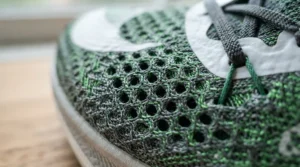
6. Topo Athletic Magnifly 5 — widest stock toe box for road running
If the Escalante is roomy, the Topo Athletic Magnifly 5 goes even further — Topo built its entire brand identity around a wider-than-industry-standard toe box as the default, not an upgrade.
The forefoot on this shoe noticeably out-measures most “wide” labeled competitors even in their standard width, which is the whole point: rather than offering a widened version of a narrow shoe, Topo starts from a wider platform and never narrows it. Based on the spec comparison against the Escalante above, the Magnifly uses a moderate 5mm drop rather than a full zero-drop platform, which makes it a gentler entry point for runners who want extra toe room without the adjustment curve that comes with a completely flat shoe.
What most buyers overlook here is the underfoot cushioning balance — soft enough for daily miles, firm enough that the shoe doesn’t feel unstable, which reviewers consistently point to as the sweet spot that keeps them coming back to the brand after trying flashier, more cushioned competitors.
Pros:
- ✅ Widest true-to-size toe box of any shoe on this list
- ✅ Moderate drop eases the transition from traditional shoes
- ✅ Balanced cushioning without excess stack height
Cons:
- ❌ Smaller brand means fewer retail try-on locations
- ❌ Limited colorway selection compared to major brands
Priced around $130-140, the Topo Athletic Magnifly 5 is the pick for runners who’ve tried “wide” shoes from bigger brands and still felt squeezed.
7. Under Armour Charged Assert 10 — best budget wide-fit option
Not every wide-footed runner needs — or wants to pay for — a premium daily trainer, and the Under Armour Charged Assert 10 proves a genuine 4E fit doesn’t require a premium price tag.
Available in true X-Wide sizing, the shoe pairs UA’s Charged Cushioning midsole foam with a straightforward engineered mesh upper. Based on the spec comparison against pricier options on this list, the Charged Assert obviously trades some refinement for value — you won’t find the rocker geometry of the Bondi or the stability架构 of the Kayano here — but reviewers consistently report solid satisfaction for its price bracket, reflected in a strong average rating across tens of thousands of purchases. What that tells buyers on a budget: you don’t need to spend $170 to solve a width problem; you need to spend $170 if you also want premium cushioning technology layered on top of the fix.
Aggregated review sentiment does flag reduced cushioning longevity compared to premium foams after several hundred miles, which is a fair trade-off given the price gap.
Pros:
- ✅ Genuine 4E/X-Wide sizing at a budget price point
- ✅ Strong aggregate rating across a huge review sample
- ✅ Lightweight enough for daily wear beyond just running
Cons:
- ❌ Cushioning breaks down faster than premium foams
- ❌ Less refined ride than mid-range competitors
Under $80, the Under Armour Charged Assert 10 is the entry point for anyone who needs wide-width relief right now without a premium-shoe budget.
Top 7 Wide-Fit Running Shoes: Full Comparison Table
| Shoe | Width Options | Drop | Best For | Price Range |
|---|---|---|---|---|
| Brooks Ghost 18 | 2E, 4E | 12mm | Everyday reliability | $140-150 |
| New Balance Fresh Foam X 1080v15 | 2E, 4E | 8mm | Plush long runs | $160-170 |
| HOKA Bondi 9 | 2E, 4E | 4mm (high stack) | Recovery/easy days | $165-175 |
| ASICS Gel-Kayano 31 | 2E, 4E | 10mm | Stability + pronation | $155-170 |
| Altra Escalante 4 | Standard (wide last) | 0mm | Bunion relief | $120-135 |
| Topo Athletic Magnifly 5 | Standard (wide last) | 5mm | Widest stock toe box | $130-140 |
| Under Armour Charged Assert 10 | 4E | 8mm | Budget wide fit | Under $80 |
A quick read on the data above: if you want an official wide-width upgrade with proven daily-trainer credentials, Brooks and New Balance sit at the top of that category, while Altra and Topo solve the same problem from a completely different direction by never building a narrow last in the first place. Budget shoppers shouldn’t feel boxed out either — the Under Armour option holds its own on width even if it trades away some of the premium cushioning technology found further up the price ladder.

Benefits vs Traditional Standard-Width Shoes
| Factor | Wide-Fit Running Shoes | Traditional Standard Width |
|---|---|---|
| Toe splay | Natural, unrestricted | Compressed, pinched |
| Blister/hot-spot risk | Significantly lower | Higher, especially long runs |
| Bunion pressure | Minimized with proper last shape | Aggravated over time |
| Break-in period | Comfortable from day one | Often requires “breaking in” pain |
| Long-run swelling accommodation | Built-in room to expand | None — shoe stays fixed |
The comparison above makes the core argument for this entire guide plainer than any spec sheet could: a standard-width shoe doesn’t get more comfortable the longer you own it, it just teaches your foot to tolerate discomfort. Wide-fit shoes remove that tolerance requirement entirely by giving the forefoot room from the very first mile, and for runners managing an existing bunion, that reduced pressure over hundreds of cumulative miles is genuinely protective rather than just more comfortable in the moment.
Practical Usage Guide: Breaking In Your Wide-Fit Running Shoes
Buying the right width solves half the problem — the other half is using the shoe correctly during those critical first few weeks.
Start with short runs, not your longest weekly mileage day. Even a genuinely wide shoe has a break-in period where the upper material relaxes slightly around your specific foot shape, and testing that process out on a 3-mile run rather than a half-marathon means you’ll catch any hot spots before they become blisters. Pay attention to lacing technique next: a common mistake with wide-fit shoes is lacing them exactly like a standard shoe, which can leave excess material bunching at the midfoot even while the forefoot has plenty of room. A simple fix — skipping one eyelet at the point of discomfort or using a “gap lacing” technique across a wide instep — solves this without needing a different shoe entirely.
Rotate socks during your first 30 days as well. A slightly thicker sock can fine-tune the fit of a shoe that runs just a touch roomy, while a thinner sock helps if you sized up for length but the width alone would have been sufficient. Finally, resist the urge to judge a new pair after one run. Foam cushioning, especially supercritical or Fresh-Foam-style compounds, genuinely softens and adapts over the first 20-30 miles, so a shoe that feels slightly firm out of the box may well feel completely different by week two.
Real-World Scenarios: Which Wide-Fit Shoe Matches Your Situation
Not every wide-footed runner has the same priorities, so matching the shoe to the actual use case matters more than chasing whichever model is trending.
If you’re a first-time runner in your 30s or 40s coming back to exercise after years away, the Brooks Ghost 18 is the safest starting point — it’s forgiving, well-reviewed across the widest range of runner types, and the APMA Seal gives peace of mind if you’re also managing early bunion discomfort. If you’re logging serious weekly mileage, say 30-plus miles across four or five runs, alternating between the New Balance Fresh Foam X 1080v15 for long, easy days and the ASICS Gel-Kayano 31 for days when your gait needs a bit more structural support gives your joints variety instead of repetitive strain from the same platform every time. And if you’re a budget-conscious runner just trying to get back into a consistent habit without a big financial commitment, the Under Armour Charged Assert 10 removes the width excuse entirely for well under $80, letting you prove the habit sticks before investing further.

Common Mistakes When Buying Running Shoes for Wide Feet
The single most common mistake is sizing up in length to compensate for a width problem. It feels like an easy fix in the store, but a shoe that’s too long in the toe box and still tight through the midfoot creates a different set of issues — heel slip, altered gait, and increased blister risk from your foot sliding forward inside a shoe that doesn’t actually match your foot’s shape.
A second frequent error is assuming “wide” printed on a box guarantees a true wide last. As covered earlier, some brands simply loosen the upper material without widening the sole platform underneath, and that distinction only becomes obvious once you’re several miles into a run and your foot is sliding side to side inside a shoe that looked roomy standing still. Finally, plenty of runners skip trying shoes on with their actual running socks, testing fit instead with thin dress socks or barefoot — a habit that consistently leads to buying a size that fits perfectly in the store and pinches on the very first real run.
Long-Term Cost and Maintenance for Wide-Fit Running Shoes
Wide-fit running shoes don’t inherently cost more to maintain than standard shoes, but the calculus around replacement timing shifts slightly. Because a properly fitted wide shoe reduces abnormal wear patterns caused by a foot sliding or pressing unevenly against a too-narrow upper, many runners report their wide-fit pairs actually holding their shape a bit longer than ill-fitting standard shoes that stretch unevenly under constant pressure.
The standard 300-500 mile replacement window still applies as a general guide, though max-cushion shoes like the HOKA Bondi and premium foam models like the New Balance 1080 tend to hold their cushioning integrity toward the higher end of that range. Budget options like the Under Armour Charged Assert 10 are worth rotating out closer to the 300-mile mark, since more affordable foam compounds compress permanently sooner than premium supercritical foams. Total cost of ownership, then, tends to favor the mid-range picks on this list — spending slightly more upfront on the Ghost 18 or Kayano 31 often works out cheaper per mile than replacing a budget pair twice as often.
Features That Actually Matter (And Those That Don’t)
When you’re comparing wide running shoes for wide feet men side by side, a handful of features are doing the real work while others are mostly marketing dressing.
What actually matters: the shape of the last (rounded vs. tapered toe box), whether the width upgrade extends through the full platform or just the upper material, and whether the shoe carries independent validation like the APMA Seal of Acceptance. What matters far less than brands suggest: flashy colorways, “proprietary” foam names that function nearly identically to a competitor’s foam under a different label, and marginal weight differences of an ounce or two that most recreational runners will never consciously notice mid-run. Focus your comparison shopping on the structural fundamentals above, and treat everything else as a tiebreaker rather than a deciding factor.
Frequently Asked Questions
❓ Do wide running shoes run true to size?
❓ Can bunions be fixed by wearing wide shoes?
❓ What's the difference between 2E and 4E for men?
❓ Are zero-drop shoes good for wide feet?
❓ How do I know if I need extra-wide running shoes?
Conclusion
Wide feet shouldn’t mean choosing between comfort and performance, and as this guide hopefully makes clear, they don’t have to. Whether you land on the dependable Brooks Ghost 18, the plush New Balance Fresh Foam X 1080v15, or a naturally roomy option like the Topo Athletic Magnifly 5, the goal is the same: a shoe built around your actual foot shape rather than one you have to negotiate with every mile. Understanding the difference between D width vs 2E width, recognizing genuine wide toe box design versus a stretched standard upper, and knowing what actually helps with bunion-friendly running shoes puts you in a far stronger position than guessing your way through the shoe wall.
Recommended for You
- Running Shoes For Flat Feet: 7 Best Picks For 2026
- 7 Best Cross Country Spikes Of 2026: Mud-Ready Traction Picks
- 7 Best Distance Spikes For 5000m In 2026 (Tested & Ranked)
Disclaimer: This article contains affiliate links. As an Amazon Associate, I earn from qualifying purchases. If you purchase products through these links, we may earn a small commission at no additional cost to you.
✨ Found this helpful? Share it with your friends! 💬🤗
