
In This Article
Your coach just told you to “go get some spikes,” and now you’re standing in a shoe aisle staring at fifteen pairs of what look like alien footwear. Welcome to the club. Every single sprinter, jumper, and distance runner who ever toed a starting line was once exactly where you are right now — squinting at pins, plates, and price tags with zero idea what any of it means.

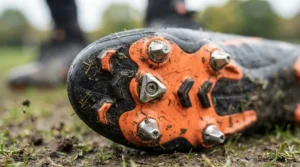
Track spikes for beginners are, put simply, lightweight racing shoes with a rigid plate and small removable or fixed pins on the forefoot that bite into a synthetic track for extra grip and forward propulsion, unlike the cushioned trainers you run in every day…
Here’s the good news: you don’t need the $200 carbon-plated rocket ships that Olympic sprinters wear. In fact, those shoes can actively hurt a new athlete’s form, since (as noted in the history of the sport) spikes have always been built for a specific level of technique and speed, not for teaching you how to run fast in the first place. What you need is something forgiving, affordable, and built for the learning curve — and that’s exactly what this guide covers.
We researched real spikes from Nike, adidas, Saucony, New Balance, HOKA, and Puma to find seven pairs that genuinely make sense for someone in their first track season. Below, you’ll get honest analysis (not marketing fluff), a comparison table you can scan in ten seconds, a sizing guide, a breakdown of spike plate configuration, and a section built specifically for high school track season prep. Let’s get you spiked up.
Quick Comparison Table: Track Spikes for Beginners at a Glance
| Spike | Best Event | Pin Count | Price Range |
|---|---|---|---|
| Nike Zoom Rival Distance | 800m–10,000m | 6-pin | around $80 |
| Nike Zoom Rival Sprint | 60m–400m | 6-pin | around $75 |
| adidas Sprintstar | 60m–400m | 6-pin | around $80 |
| Saucony Spitfire 5 | Multi-purpose | 7-pin | $55–$65 range |
| New Balance FuelCell MD500 v9 | 400m–1600m | 6-pin | $70–$80 range |
| HOKA Crescendo MD 2 | 400m–1600m | 6-pin | around $80 |
| Puma evoSPEED Prep Sprint 3.5 | 60m–400m | Fixed plate | around $78 |
Looking at the table, you’ll notice something interesting: almost every genuinely beginner-friendly spike lands in the same $55–$85 window, regardless of brand. That’s not a coincidence — it’s the sweet spot where manufacturers cut the expensive carbon plates and superfoams without cutting corners on fit or durability. Nike Zoom Rival Sprint and Saucony Spitfire 5 anchor the budget end, while HOKA Crescendo MD 2 and New Balance FuelCell MD500 v9 trade a few dollars more for extra cushioning that first-year distance runners tend to appreciate.
💬 Bookmark this table now — you’ll want to scroll back to it once you see current pricing and availability below!
Top 7 Track Spikes for Beginners: Expert Analysis
Before we get into individual reviews, here’s the fuller spec breakdown so you can compare apples to apples.
| Spike | Weight (approx.) | Plate Type | Cushioning Level | Best For |
|---|---|---|---|---|
| Nike Zoom Rival Distance | 5.9 oz | Nylon, 6-pin | Moderate | Nike Zoom Rival Distance — first 800m/1600m racers |
| Nike Zoom Rival Sprint | 4.7 oz | Nylon Flyplate, 6-pin | Minimal | Nike Zoom Rival Sprint — first-time sprinters |
| adidas Sprintstar | 5.1 oz | TPU, 6-pin | Light (Lightstrike Pro) | adidas Sprintstar — smooth-riding sprint debut |
| Saucony Spitfire 5 | 4.2 oz | Pebax, 7-pin | Minimal | Saucony Spitfire 5 — tightest budget |
| New Balance FuelCell MD500 v9 | 5.6 oz | Nylon, 6-pin | Moderate (FuelCell foam) | New Balance FuelCell MD500 v9 — value mid-distance |
| HOKA Crescendo MD 2 | 6.3 oz | Carbon-infused, 6-pin | High (CMEVA foam) | HOKA Crescendo MD 2 — heel strikers, forgiving ride |
| Puma evoSPEED Prep Sprint 3.5 | 4.9 oz | Full-length PEBAX | Minimal | Puma evoSPEED Prep Sprint 3.5 — lightest beginner sprint |
Based on the spec comparison, weight and cushioning move in almost perfect lockstep here — the lighter the shoe, the less foam is underfoot, which tracks with what these shoes are built to do. Sprinters spend the entire race on their toes and don’t need heel cushioning, while new distance and mid-distance runners, who are still learning to stay off their heels, genuinely benefit from the extra foam in shoes like the HOKA Crescendo MD 2 and New Balance FuelCell MD500 v9. What most buyers overlook is that pin count doesn’t equal quality — the Saucony Spitfire 5‘s 7-pin plate isn’t “better” than a 6-pin plate, it’s just tuned for a slightly different grip pattern.
1. Nike Zoom Rival Distance — the safest first pair for new distance runners
The standout here is how unintimidating it feels underfoot for a first-time racer stepping up from trainers. This spike pairs a nylon plate with a moderately cushioned midsole and a 6-pin configuration set toward the forefoot, which in practice means it grips hard during toe-off but doesn’t punish you if your form isn’t dialed in yet. Based on the spec comparison against stiffer sprint-oriented plates, the more forgiving flex pattern here means less strain on unconditioned calves and Achilles tendons during those first few weeks of spike training.
Here’s what to weigh: this is the shoe multiple industry testers point to as the default “can’t-go-wrong” beginner distance spike, largely because it doesn’t chase radical geometry or elite-level rigidity. Reviewers consistently note that the fit runs true to size and the upper breathes well during longer track sessions, though a handful mention the toe box feels snug for wider feet — sizing up half a size is a common workaround. It’s genuinely built for athletes racing the 800m through 10,000m who aren’t ready for (or don’t need) a super spike yet.
Pros:
- ✅ Forgiving flex pattern reduces strain for new runners
- ✅ Moderate cushioning smooths out heel-strike tendencies
- ✅ Breathable upper holds up across long meets
Cons:
- ❌ Narrow toe box for wide-footed runners
- ❌ Not stiff enough for athletes chasing PRs past their first season
Prices for the Nike Zoom Rival Distance typically land around $80, and given the versatility across so many distance events, it’s a strong value verdict for anyone unsure exactly which event they’ll settle into — check current price before you buy.

2. Nike Zoom Rival Sprint — most accessible sprint spike for first-timers
The standout feature is a supportive midsole that keeps the shoe from feeling like a rigid plank, which is exactly what a nervous first-time sprinter needs. The nylon Flyplate offers real snap off the blocks without the unforgiving stiffness of carbon, and the 6 removable pins let you adjust grip depth as you get a feel for different track surfaces. What the spec sheet won’t tell you, but reviewers note, is that the drop feels steeper than most spikes on the market — noticeable the first time you wear it, but something your legs adapt to within a session or two.
This is the pair independent testers repeatedly single out as the gold standard for beginners diving into sprint events, citing its flexible, durable, and “gentle” construction. Aggregated review sentiment is largely positive on comfort and value, though a recurring theme in user feedback is that the outsole shows wear faster than premium alternatives after a full season of hard training — reasonable, given the price point.
Pros:
- ✅ Removable pins adjust to track conditions
- ✅ Comfortable, non-punishing ride for new sprinters
- ✅ Very accessible price for a name-brand spike
Cons:
- ❌ Outsole wear shows up faster with heavy training use
- ❌ Less specialized for pure top-end speed than pricier options
Expect the Nike Zoom Rival Sprint to sit around $75, making it one of the most accessible name-brand entry points into sprinting — check current price and availability.
3. adidas Sprintstar — smoothest ride for a first sprint season
adidas skipped carbon entirely here and leaned on a reliable TPU spike plate, and honestly, that’s the right call for a beginner. TPU flexes more than carbon under load, which means some power gets absorbed rather than transferred forward — a real trade-off at the elite level, but a non-issue for someone still building sprint mechanics. Layered underneath is Lightstrike Pro cushioning, giving the shoe a touch of comfort that most true racing spikes skip entirely.
Based on the spec comparison, the six removable pins let you dial in grip for both indoor boards and outdoor rubber, which matters if your season spans both surfaces. Don’t let the word “entry level” undersell it: reviewers frequently mention it holding up through multiple seasons of developmental training, not just a single seven-meet spring. The trade-off is that dedicated sprinters chasing serious PRs will eventually outgrow the softer plate.
Pros:
- ✅ TPU plate is gentler on developing sprint mechanics
- ✅ Lightstrike Pro cushioning adds unexpected comfort
- ✅ Durable enough to last multiple developmental seasons
Cons:
- ❌ Softer plate limits top-end energy return at higher levels
- ❌ Sizing runs slightly narrow according to aggregated reviews
The adidas Sprintstar typically runs around $80, putting it right in line with its Nike competitor — well worth cross-shopping both before deciding.
4. Saucony Spitfire 5 — the tightest budget for a genuine multi-event spike
What most buyers overlook about this model is that it isn’t locked into one event category. The Pebax spike plate strikes a real balance between responsiveness and flexibility, and the 7-pin configuration spreads grip across the forefoot for explosive starts and quick direction changes alike — useful if your coach has you doubling in the 200m and long jump during your first meets, as many beginners do.
At roughly 4.2 ounces, this is one of the lightest shoes in this lineup, and the lightweight synthetic upper locks the foot down without adding bulk. Reviewers consistently describe it as “does it all,” which lines up with Saucony’s own positioning of the shoe for 60m through 400m work. On paper this means less category-specific optimization than a dedicated sprint or distance spike, but for a true beginner who hasn’t settled on an event yet, that flexibility is a feature, not a compromise.
Pros:
- ✅ Lowest price point of any spike on this list
- ✅ 7-pin plate works across sprint and jump events
- ✅ Extremely lightweight synthetic build
Cons:
- ❌ Less specialized than event-specific spikes
- ❌ Minimal cushioning may not suit heavier-framed athletes
The Saucony Spitfire 5 lands in the $55–$65 range, which makes it the easiest recommendation here for a family testing the track-and-field waters without a big financial commitment — always check current price since Saucony’s pricing shifts by retailer.
5. New Balance FuelCell MD500 v9 — best value for a first mid-distance spike
New Balance built this one around FuelCell foam, the same lightweight, propulsive cushioning family found in the brand’s higher-end racing shoes, just tuned down for an entry-level price. The 6-pin nylon plate favors mid-distance events from the 400m through the 1600m, and the added foam underfoot means it forgives the heel-strike habits almost every new middle-distance runner brings from road or trainer running.
Here’s what to weigh: this spike frequently shows up at clearance and discount pricing at running specialty retailers, which makes it one of the better dollar-for-dollar picks in this entire guide when you catch it on a deal. Reviewers highlight durable construction and a comfortable, true-to-size fit as consistent strengths, with the recurring critique being that it’s noticeably less snappy than New Balance’s carbon-plated SuperComp line — which, again, is a feature for a beginner rather than a flaw.
Pros:
- ✅ FuelCell foam adds genuine energy return for the price
- ✅ Comfortable, true-to-size fit per aggregated reviews
- ✅ Frequently available at strong discount pricing
Cons:
- ❌ Noticeably less responsive than New Balance’s premium spikes
- ❌ Limited color/size availability compared to Nike or adidas
Typical pricing for the New Balance FuelCell MD500 v9 falls in the $70–$80 range at full price, though discounted listings are common — check current price before assuming full retail.
6. HOKA Crescendo MD 2 — most forgiving ride for heel-strikers
HOKA’s calling card is maximalist cushioning, and the Crescendo MD 2 brings that DNA to the track in a way that genuinely helps beginners. The shoe carries the thickest stack of CMEVA foam you’ll find in this price bracket, paired with a 6-pin spike plate and J-Frame stability tech that guards against excessive inward roll — a real plus for new runners whose gait hasn’t fully matured under race-pace loads.
Reviewers consistently note that this is the spike parents buy for kids who found their previous, harsher spikes uncomfortable by the back half of an 800m or 1500m race. What the spec sheet won’t tell you is how much that extra cushioning changes the experience psychologically — athletes report feeling more confident pushing pace late in a race because the landing doesn’t feel punishing. The trade-off, predictably, is a slightly heavier shoe than its more minimal competitors on this list.
Pros:
- ✅ Thickest, most forgiving cushioning in this price range
- ✅ J-Frame tech adds stability for developing gaits
- ✅ Versatile across 400m through 3200m events
Cons:
- ❌ Heaviest spike on this list at roughly 6.3 oz
- ❌ Extra cushioning slightly dulls ground feel for faster racers
The HOKA Crescendo MD 2 typically retails around $80, and given how often it shows up praised specifically for comfort in aggregated customer feedback, it’s a strong value pick for a nervous first-year mid-distance runner — check current price and color availability.
7. Puma evoSPEED Prep Sprint 3.5 — lightest true beginner sprint spike
Puma’s “Prep” naming isn’t marketing spin — this is genuinely built as the entry point into its evoSPEED sprint lineup. The full-length PEBAX plate provides real propulsion without venturing into carbon-fiber stiffness, and the synthetic upper is regular-width and built for neutral pronators, which covers the majority of new sprinters without requiring a specialty fit process.
Based on the spec comparison, this spike undercuts most of its direct Nike and adidas competitors on weight while landing in the same price bracket, which matters more than people realize — every ounce shaved off a sprint shoe is an ounce your legs aren’t fighting through 100 meters of acceleration. What most buyers overlook is that Puma’s track and field line gets far less shelf space at big-box retailers than Nike or adidas, so availability can be spottier depending on your region.
Pros:
- ✅ Lightest sprint-specific spike in this lineup
- ✅ Full-length PEBAX plate for real propulsion without harsh stiffness
- ✅ Regular-width fit suits most neutral-pronating beginners
Cons:
- ❌ Harder to find in stores than Nike or adidas equivalents
- ❌ Fewer size/color options than more mainstream competitors
The Puma evoSPEED Prep Sprint 3.5 runs around $78, putting it squarely in the same tier as the Nike Zoom Rival Sprint and adidas Sprintstar — well worth trying on all three before committing if your local store stocks them.
Your First 30 Days in Track Spikes: Setup, Break-In, and Care
New spikes are not new sneakers — treat them differently from day one. First, check your spike wrench (usually included, or sold separately for a few dollars) and confirm you’re using the correct pin length for your surface: most outdoor tracks cap pyramid pins at around a quarter inch, while indoor boards often demand something closer to an eighth of an inch. Screw pins in hand-tight; over-tightening strips the threads and under-tightening loses one mid-stride, which is its own kind of embarrassing.
Break-in matters more than people admit. Wear your spikes for short strides or a light warm-up jog at practice for a week or two before racing in them — this lets the upper mold to your foot and reveals any hot spots while there’s still time to swap sizes. A common first-30-days mistake is racing in brand-new spikes straight out of the box; blisters during a race are entirely avoidable with a short break-in period.
For maintenance, brush off track debris after every use, let spikes air-dry away from direct heat (never in a hot car or dryer, which warps the plate), and store pins separately once the season ends so they don’t rust into the plate over the summer. A well-cared-for beginner spike easily lasts a full season, sometimes two.
Which Beginner Are You? Three Real-World Scenarios
The Freshman Trying Everything: If you’re a 14-year-old who signed up for track without knowing your event yet, grab a versatile pair like the Saucony Spitfire 5 or New Balance FuelCell MD500 v9. You’ll bounce between the 200m, 4x400m relay, and maybe long jump during those first few meets, and a multi-purpose plate handles that variety without forcing an early commitment you’re not ready to make.
The Committed Sprinter on a Budget: Say you’ve already decided the 100m and 200m are your events, and your family is watching the budget closely. The Nike Zoom Rival Sprint or Puma evoSPEED Prep Sprint 3.5 both deliver real sprint-specific geometry without the $150+ premium of carbon-plated racers, and either will carry you comfortably through two or three developmental seasons.
The Distance Runner Coming From Cross Country: If you spent fall racing 5Ks on grass and dirt, spring track spikes will feel like an entirely different sport. The extra cushioning in the HOKA Crescendo MD 2 or the forgiving nylon plate on the Nike Zoom Rival Distance eases that transition, since both shoes tolerate the heavier heel strike that road and trail training tends to build.
How to Choose Track Spikes for Beginners
Choosing track spikes for beginners comes down to matching the shoe’s plate stiffness and cushioning to your event and experience level rather than chasing the flashiest carbon-plated option on the shelf.
- Identify your primary event first. Sprint spikes, mid-distance spikes, and distance spikes are built with genuinely different plate stiffness and heel cushioning — buying the wrong category costs you comfort, not just money.
- Prioritize forgiveness over stiffness. A softer nylon or TPU plate teaches proper mechanics without punishing imperfect form; save carbon for once you’ve raced a full season or two.
- Get sized in person if at all possible. Spike sizing runs tighter than everyday trainers, and a specialty running store’s fit process catches issues online reviews can’t.
- Set a realistic budget. Every spike reviewed above sits in the $55–$85 range, and that band covers genuinely capable beginner shoes — there’s rarely a reason to spend more your first year.
- Check your league’s rules before buying. Pin length and shoe stack height limits vary by state and level, so confirm what’s legal before falling in love with a specific pair.
- Read aggregated review themes, not star ratings alone. A 4.5-star shoe with repeated sizing complaints tells you more than the number itself.
- Buy from a retailer with an easy return window. Spikes that feel great standing in a store can feel completely different at race pace — a flexible return policy protects you either way.
Spike Plate Configuration Explained: Pins, Plates, and Why They Matter
The plate is the rigid foundation sitting between your foot and the track, and its entire job is transferring force from your legs into forward motion. Traditional beginner spikes use nylon or TPU plates, which flex more under load than carbon fiber — some power dissipates rather than driving you forward, but for developing athletes, that trade-off is not just acceptable, it’s actually protective, since a too-stiff plate can encourage poor mechanics before your body is ready for it.
Pin count and placement vary by event category for a reason. Sprint spikes typically cluster 6 to 8 pins toward the forefoot, since sprinters run almost entirely on their toes and need maximum grip exactly where force is applied. Distance and mid-distance spikes spread fewer pins (often 4 to 6) across a longer plate, accounting for a more varied foot-strike pattern over a longer race. Governing bodies also regulate plate construction directly — under current World Athletics shoe regulations, competition spikes are limited to one rigid plate per shoe and a maximum sole thickness, rules put in place specifically to keep the playing field level as shoe technology accelerates.
For a beginner, the practical takeaway is simple: more pins or a stiffer plate doesn’t automatically mean a better shoe. It means a shoe tuned for a different job. Match the configuration to your event, not to whatever looks the most aggressive on the shelf.
Track Shoe Sizing Guide: Getting Your Beginner Fit Right
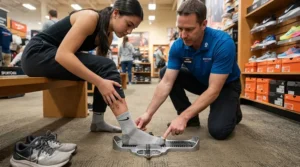
Spikes should fit noticeably snugger than your everyday trainers — think close to a dress shoe, not a cushioned daily runner. A quarter-inch of space between your longest toe and the toe box is the general target; any more and your foot slides forward under acceleration, which both wastes energy and invites blisters.
Because sizing varies meaningfully across brands, a size 10 in one model can fit like a 9.5 or a 10.5 in another — the Nike Zoom Rival Distance, for instance, is frequently described in aggregated reviews as running slightly narrow in the toe box, while the HOKA Crescendo MD 2 tends to run true to size thanks to its wider stability platform. If you can, try spikes on in the afternoon or evening, since feet swell slightly over the course of a day, and always wear the thin racing socks you’ll actually compete in rather than thick everyday socks.
If you’re buying online without a fitting, order two sizes of your best-guess pair when the retailer allows free returns, test both around the house on carpet, and send back whichever doesn’t fit. It costs nothing but a little patience and saves you from racing in a shoe that slides or pinches.
High School Track Season Prep: A Beginner’s Timeline
Most high school track programs run a similar rhythm: winter conditioning, a pre-season tryout or time trial period, then eight to ten weeks of dual meets building toward conference and state-level competition. Buying your spikes during the pre-season window, rather than the week before your first meet, gives you time to break them in properly and identify your best event alongside your coach.
Before you buy anything, check your state association’s specific footwear rules — spike length limits, banned pin types like needle or “Christmas tree” spikes, and stack-height restrictions can all vary. The NFHS track and field rules page is the authoritative starting point for national guidance, though your individual state association may add its own restrictions on top, particularly for indoor board tracks that damage more easily than outdoor rubber.
A smart prep checklist looks like this: confirm your event with your coach, check your state’s spike regulations, buy shoes with at least two weeks before your first meet to break them in, pack a spike wrench and spare pins in your meet bag, and bring both spikes and a backup pair of trainers to every meet in case of a last-minute equipment issue. Beginners who follow this timeline consistently report smoother, less stressful first seasons than those who scramble to buy spikes the week competition starts.
Common Mistakes When Buying Track Spikes for Beginners
The single most common mistake is buying the shoe your favorite pro athlete wears. Elite sprint and distance spikes are tuned for years of specific training and technique — putting a beginner in a stiff carbon plate is like handing a new driver a race car; the extra performance ceiling is irrelevant if you can’t control it safely yet.
A close second is guessing at size based on your street shoe. Spikes run in their own sizing universe, and skipping an in-person fitting (or a generous online return policy) is how closets end up with an expensive pair that never gets worn. Third, plenty of beginners buy sprint spikes for distance events or vice versa, not realizing how different the plate stiffness and cushioning needs actually are between the two categories. Finally, don’t ignore your league’s spike-length rules before buying — showing up to a meet with illegal pins means scrambling for a replacement pair minutes before your race, a stress no one needs.
Track Spikes vs. Training Shoes: What’s the Real Difference?
| Factor | Track Spikes | Training Shoes/Flats |
|---|---|---|
| Traction | Metal pins bite into synthetic track | Rubber outsole, less grip on curves |
| Weight | 4–6 oz average | 8–10 oz average |
| Cushioning | Minimal to moderate | Moderate to high |
| Best Use | Racing and speed work | Daily mileage, easy runs |
| Rules | Regulated pin length/stack height | No competition restrictions |
The traction difference alone explains most of the performance gap: metal pins dig into synthetic surfaces in a way that no rubber outsole can replicate, which is why even a modest spike consistently shaves time off a runner’s splits compared to trainers on the same track. That performance advantage comes with a real durability trade-off, though — spikes are built minimal and light, not for daily mileage, and running easy days in them wears down the plate and upper far faster than intended. The smart approach almost every coach recommends is keeping both in rotation: trainers or flats for the bulk of your weekly volume, spikes reserved specifically for race day and dedicated speed sessions.
Features That Actually Matter (And Those That Don’t)
What actually matters for a beginner: plate stiffness matched to your event, a true-to-size and snug fit, breathability for hot spring meets, and durability that survives a full season of practice and racing. These four factors determine whether your first spike experience is a good one far more than anything else on a spec sheet.
What matters far less than marketing suggests: carbon fiber plates (irrelevant until you’re racing competitively at a high level), ultra-premium foam technology (nice, but overkill for someone still learning race mechanics), and flashy colorways (fun, but they don’t run any faster). Reviewers consistently note that mid-tier, beginner-focused spikes from every major brand deliver 90% of the functional benefit of their $200 counterparts for a fraction of the price — the extra spend mostly buys marginal gains that only matter once your technique and conditioning have caught up to the equipment.
Safety, Rules, and Regulations Every Beginner Should Know
Beyond the pin-length rules already covered, a few safety basics protect new athletes specifically. Spike-related injuries in young runners are most commonly linked to improper fit and inadequate break-in periods rather than the spikes themselves — a finding echoed in biomechanics research examining how track footwear affects loading patterns during a transition period. One case study published in the peer-reviewed journal Applied Sciences specifically examined the kinematic and plantar-pressure differences between classical and modern track spikes, underscoring how meaningfully footwear changes affect a runner’s mechanics during any transition, including a beginner’s first move from trainers into spikes.
Practically, that means easing into spike training rather than jumping straight into max-effort racing in a brand-new pair, respecting your league’s pin-length and stack-height limits, and replacing spikes once the plate or upper shows real wear rather than pushing a worn-out pair through injury risk to save money. None of this requires expensive gear — it just requires treating the transition into spikes with the same care you’d give any new piece of specialized equipment.

FAQ
❓ Do beginners really need track spikes, or can they race in regular running shoes?
❓ What size should a beginner buy in track spikes?
❓ How long do beginner track spikes typically last?
❓ Are 6-pin or 7-pin spike plates better for a first pair?
❓ What is the average price range for track spikes for beginners?
Conclusion
Buying your first pair of track spikes doesn’t need to be complicated, even though the aisle full of unfamiliar shoes might suggest otherwise. Stick to the fundamentals covered here: match plate stiffness to your event, prioritize a snug and correct fit over flashy technology, and stay within that reliable $55–$85 beginner range where every shoe on this list lives comfortably.
Whether you land on the forgiving cushioning of the HOKA Crescendo MD 2, the budget-friendly versatility of the Saucony Spitfire 5, or the accessible sprint-ready snap of the Nike Zoom Rival Sprint, the right pair will do exactly what a first spike should do — help you learn what fast actually feels like, without getting in the way of learning it. Your technique, conditioning, and confidence will catch up over time; the shoes just need to stay out of the way while that happens.
Recommended for You
- Racing Flats for Marathon: 7 Best Picks for 2026
- Racing Flats for Marathon: 7 Fast Picks to Try in 2026
- Racing Flats for 5K: 7 Fastest Picks to PR in 2026
Disclaimer: This article contains affiliate links. As an Amazon Associate, I earn from qualifying purchases. If you purchase products through these links, we may earn a small commission at no additional cost to you.
✨ Found this helpful? Share it with your friends! 💬🤗
