
In This Article
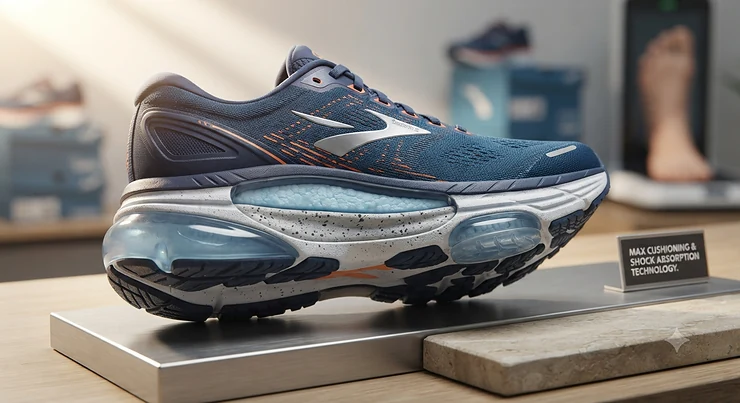
Somewhere around 11 p.m., you’ve got fourteen Amazon tabs open and a credit card that’s starting to feel personally attacked. Every shoe claims to be “responsive,” every foam is apparently “revolutionary,” and somehow every single pair is “the one runners are talking about.” You just want a decent neutral running shoe for under $150 that won’t fall apart by month three.
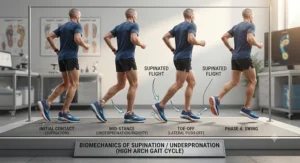
Here’s the quick definition, since it matters before you spend a dime: a neutral running shoe is built for a foot that rolls inward a normal, healthy amount when it lands — no extra posts, no medial wedges, no corrective gadgetry trying to steer your stride. Men with a neutral gait don’t need extra support on the medial side of the shoe, while runners who overpronate excessively typically do better in a stability shoe. Roughly four out of five runners fall into the neutral camp, which is exactly why this category is so crowded — and why so much of what’s marketed at you is noise.
I went looking for seven real, currently-stocked-on-Amazon shoes that actually earn their price tags, not discontinued models dressed up to look current. What follows isn’t a press-release rewrite. It’s specs translated into what they actually feel like on mile eight of a Tuesday run, plus the comparison work and dollars-per-mile math nobody puts on the product page.
Quick Comparison Table
| Shoe | Price Range | Drop | Stack (Heel/Forefoot) | Best For |
|---|---|---|---|---|
| Brooks Ghost 18 | $145–$150 | 10mm | 36mm / 26mm | All-around daily trainer |
| ASICS Novablast 5 | $135–$145 | 8mm | 41.5mm / 33.5mm | Max-cushion bounce |
| Saucony Ride 19 | $135–$145 | 8mm | 36mm / 28mm | Lightweight versatility |
| Nike Pegasus 41 | $140–$150 | 10mm | — | Tempo-capable trainer |
| New Balance 880v14 | $130–$140 | 8mm | — | Structured comfort |
| Mizuno Wave Rider 28 | $135–$145 | — | — | Smooth, stable transitions |
| HOKA Clifton 9 | $90–$145 | 5mm | — | Best value / clearance pick |
A few things jump out once you stop looking at this as seven separate products and start looking at it as one decision tree. The Novablast 5 stacks nearly 42mm of foam under the heel — that’s deep, max-cushion territory usually reserved for shoes well north of $150 — while the Clifton 9 sits at a much lower 5mm drop, meaning your heel and forefoot are closer to level, which changes how your calves and Achilles load over a run. The Ghost and Pegasus occupy the “nothing weird, nothing missing” middle ground that’s made them daily-trainer staples for two decades combined.
💬 Just one click — help others make better buying decisions too!😊
✨ Don’t Miss This 🏃
Comparing specs on a screen only gets you so far — the real test is how a shoe feels at mile six when your form starts to slip. Bookmark two or three from this list, check current sizing and colorway availability, and try them in a size you’d actually run in.
Top 7 Neutral Running Shoes for Men Under $150: Expert Analysis
1. Brooks Ghost 18
The Brooks Ghost 18 is the shoe equivalent of a reliable sedan — not flashy, but it’ll never leave you stranded. It runs on nitrogen-infused DNA Loft v3 foam for a soft, responsive ride with balanced support, paired with a new Ortholite X-60 sockliner. In practice, that nitrogen infusion is what keeps the foam from going dead and flat the way cheaper EVA blends do after 150 miles — you’re paying for longevity you won’t notice until month four, which is exactly when cheaper shoes start to disappoint.
What most buyers overlook about the Ghost line is that the firmer foam and wider base actually add some inherent stability even though it’s classified as a neutral shoe — useful if you’re neutral but a little nervous about going too soft and squishy. The drop stays at 10mm and the outsole rubber carries over from the Ghost 17, so longtime wearers get a familiar underfoot feel layered with a genuinely improved upper.
Customer sentiment splits along an interesting line: people switching from older Ghost models almost universally love the new flat-knit tongue and roomier mesh, while a vocal minority of long-term loyalists feel the brand has drifted from what made earlier Ghosts special.
✅ Pros: durable nitrogen-infused midsole, breathable redesigned upper, APMA-recognized for foot health
❌ Cons: at 10.2oz it’s not the lightest in this group; some reviewers found early units’ outsole rubber wore unevenly
Price range: $145–$150. Verdict: the safest “buy once, stop thinking about it” pick here.
2. ASICS Novablast 5
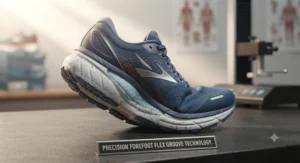
If the Ghost is the sedan, the ASICS Novablast 5 is the trampoline you weren’t expecting to enjoy this much. The midsole and outsole geometry are engineered to produce an energized ride, with FF BLAST MAX cushioning creating softer landings and a more energized toe-off. The practical translation: this is the shoe in the lineup that makes easy runs feel less like a chore, because the foam is actively pushing back at you rather than just absorbing impact passively.
The spec sheet won’t tell you this, but a stack this tall (41.5mm heel) changes how the shoe handles direction changes — it’s fantastic for straight-line daily miles and noticeably less stable if you’re cutting across a trail or dodging a dog mid-stride. Reviewers consistently flag the same trade-off: the shoe is light, supportive, and springy right out of the box, though some runners report the midsole softening faster than they’d like over time.
✅ Pros: genuinely fun, bouncy ride; breathable jacquard mesh upper; uses recycled materials in the upper
❌ Cons: max-stack height can feel less stable for lateral movement; some report shorter-than-average midsole lifespan
Price range: $135–$145. Verdict: best pick if “comfortable” and “exciting” both matter to you.
3. Saucony Ride 19
The Saucony Ride 19 is the shoe nobody hypes up and everybody secretly relies on. It’s built with a PWRRUN cushioning midsole for consistent comfort, a neutral design that supports natural foot movement, and a durable rubber outsole for traction on paved surfaces. The reformulated supercritical foam this year is noticeably softer than the Ride 18 without turning mushy — Saucony widened the forefoot by 10mm while shaving weight, which is the kind of unglamorous engineering tweak that actually matters more than a flashy new color.
One reviewer comparison I’d actually trust: testers running it alongside the ASICS Novablast and Gel-Cumulus found the Ride held up structurally better over high mileage, even if it’s less exciting underfoot. That’s the whole personality of this shoe — it’s not trying to be your favorite, it’s trying to still be functional in August.
✅ Pros: genuinely affordable for the category, true daily-mileage durability, breathable adaptive mesh upper
❌ Cons: ride feel is intentionally unremarkable if you want excitement; less plush than the Triumph for long, slow miles
Price range: $135–$145. Verdict: the best price-to-performance ratio in this entire list.
4. Nike Pegasus 41
Forty-plus years in and the Nike Pegasus 41 still hasn’t figured out how to be boring. Responsive cushioning provides an energized ride for everyday road running, with dual Air Zoom units and a ReactX foam midsole delivering lighter-weight energy return, plus an improved engineered mesh upper for breathability. What that actually means on the road: the dual Zoom Air pods under the heel and forefoot give you a noticeably snappier toe-off than the Ghost or Ride, without the squish-and-recover lag of a pure foam midsole.
One longtime Pegasus owner who’s run every version since the 37 called the 41 a mileage workhorse — responsive, relatively lightweight, and stable enough to handle stacking mile after mile without it feeling like a grind. That tracks with what I’d expect from a shoe this far into its lineage — Nike isn’t reinventing it, just sanding off rough edges every generation.
✅ Pros: snappier toe-off than most daily trainers in this price bracket, breathable mesh, widely available in true-to-size and wide options
❌ Cons: not the softest landing if you want max cushion; price sits at the higher end of this group before any discount
Price range: $140–$150 (frequently discounted into the $120s–$130s). Verdict: best for runners who want a little pep mixed into their daily mileage.
5. New Balance Fresh Foam X 880v14
The New Balance Fresh Foam X 880v14 is built for one job and does it without drama. The midsole foam, which includes roughly 3% bio-based content, delivers the most cushioned Fresh Foam experience yet, paired with a structured, supportive upper — designed for everyday runners who need neutral support to put in daily miles. That structured upper is the detail worth noticing: where the Ghost and Pegasus go soft and sock-like, the 880 keeps more rigidity around the midfoot, which some runners with wider or less stable arches genuinely prefer even within the neutral category.
Real owner feedback skews positive on comfort but split on weight — one reviewer found it comfortable but noticeably heavier compared to similar shoes from Hoka and ASICS, while another reported getting roughly 500 miles out of a pair. That 500-mile figure, if it holds for you, makes this one of the better cost-per-mile shoes in the group.
✅ Pros: structured upper suits runners who want a touch more midfoot lockdown, APMA-recognized, solid reported mileage life
❌ Cons: heavier underfoot feel than competitors at this price, less “exciting” ride than the Novablast or Pegasus
Price range: $130–$140. Verdict: best for runners who associate “stable” with “trustworthy” even in a neutral shoe.

6. Mizuno Wave Rider 28
The Mizuno Wave Rider 28 is the shoe that quietly converts skeptics. The Mizuno Wave plate disperses impact energy across a broader area for a stable platform and superior cushioning, paired with a gusseted tongue and a durable carbon-rubber X10 outsole for longer wear. The Wave plate is the differentiator here — it’s a firmer, fan-shaped piece of plastic embedded in the heel that does mechanically what other brands try to do with pure foam softness, which is why this shoe can feel both cushioned and weirdly precise at the same time.
Mizuno also built in more than 90% recycled content across the upper textile, lining, and sockliner, with a plant-based Wave plate made using Pebax Rnew — a small nod to the sustainability angle without sacrificing the ride. One owner who’d run nearly every generation for two decades called this iteration one of the best, which is a strong endorsement from someone with that much comparison data sitting in their legs.
✅ Pros: distinctive stable-yet-cushioned ride from the Wave plate, strong recycled-material story, loyal long-term following
❌ Cons: less brand recognition in the U.S. means fewer in-store fitting options; narrower size run in some colorways
Price range: $135–$145. Verdict: best for runners who’ve tried “soft” and decided they actually want “stable-soft.”
7. HOKA Clifton 9
Here’s the value play of the whole list. The HOKA Clifton 9 has been bumped down to second-tier status now that the Clifton 10 exists, which means retailers are clearing it out — and that’s good news for your wallet. It features a wide base and HOKA’s Active Foot Frame for moderate stability within a neutral design, with a symmetrical cushion bed built to provide support without unnecessary extras. A tall stack of compression-molded EVA foam turns hard pavement into something noticeably softer, while HOKA’s early-stage Meta Rocker geometry smooths the stride from heel strike through toe-off.
What the spec sheet won’t tell you: that lower 5mm drop combined with the rocker shape means your foot doesn’t sit in a steep heel-to-toe ramp the way it does in the Ghost or Pegasus — your gait gets gently nudged forward instead of requiring extra ankle flexion. One owner managing plantar fasciitis specifically credited the cushioning and rocker shape with letting them run again after years off, which is about as strong a real-world endorsement as a shoe can get.
✅ Pros: outstanding price-to-performance ratio now that it’s on clearance, plush ride for joint-sensitive runners, roomy toe box
❌ Cons: heavier than the Clifton 8 it replaced, sizing and colorway selection shrinking as stock clears out
Price range: $90–$145 depending on size and colorway. Verdict: best budget neutral trainer in this entire roundup, full stop.
Buyer’s Decision Framework
Skip the spec-sheet rabbit hole and just answer this honestly:
If you’re logging 20+ miles a week and want one shoe that lasts → Brooks Ghost 18 or Saucony Ride 19. Both are built for durability over flash.
If you want a daily trainer that also feels fun on easy days → ASICS Novablast 5 or Nike Pegasus 41. Both have genuine bounce most “neutral daily trainer” categories lack.
If your knees, shins, or plantar fascia complain after long runs → HOKA Clifton 9. The lower drop and rocker geometry exist specifically to reduce that load.
If you’ve got a wider or less stable midfoot but technically test neutral → New Balance 880v14 or Mizuno Wave Rider 28. Both add structural reassurance without crossing into true stability-shoe territory.
If budget is the deciding factor over everything else → Clifton 9, full stop. Clearance pricing on a genuinely good shoe beats full price on a mediocre one every time.
Real-World Scenarios
The comeback runner. Forty-something, hasn’t run regularly in three years, knees aren’t what they used to be. The Clifton 9’s cushioning and gentle rocker take pressure off joints that haven’t done this in a while — and the clearance pricing means a bad first attempt doesn’t sting financially.
The marathon-training budget-watcher. Stacking 35–40 miles a week on a tight budget needs a shoe built for volume, not excitement. The Ride 19’s durability-over-flash design and lower price point mean you can afford to replace it on schedule instead of stretching a dying pair through race week.
The desk-to-5K beginner. New to running, wants something that feels encouraging rather than punishing on day one. The Novablast 5’s bouncy, forgiving ride makes early, awkward miles feel less like work — exactly what keeps a new habit alive past week three.
How to Choose Neutral Running Shoes for Men Under $150
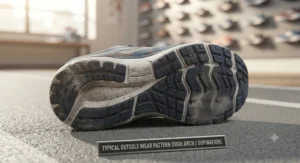
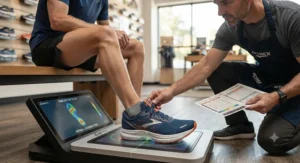
- Confirm you’re actually neutral first. Look at the wear pattern on an old pair, or better, get a gait assessment, since podiatrists typically recommend starting shoe selection there rather than guessing. Buying a neutral shoe when you actually overpronate just shifts strain elsewhere.
- Pick a cushioning level on purpose. Max stack (Novablast, Clifton) protects joints but feels less precise; moderate stack (Ghost, Ride) feels more grounded and responsive to pace changes.
- Decide if drop matters to you. Lower-drop shoes like the Clifton 9 shift load toward the calves and Achilles; higher-drop shoes like the Ghost or Pegasus keep more load at the knee.
- Try the upper in conditions you’ll actually run in. Engineered mesh breathes better in heat; structured uppers (880v14) lock down better in cold-weather layering.
- Check toe box width before committing to a color. Several of these run narrower in certain colorways than others — don’t assume size 10 means identical fit across the line.
- Budget for the replacement cycle, not just the first purchase. A $135 shoe that lasts 500 miles beats a $130 shoe that dies at 250.
- Buy from a seller with real returns. Fit issues only show up after a few runs, not in the box.
EVA Foam vs PEBA: What Actually Matters at This Price Point
Here’s the marketing trick worth knowing about: PEBA foam gets treated like it’s automatically superior, and at the elite-racing level, it often is. But every shoe on this list runs primarily EVA-based or EVA-hybrid foam — Brooks’ DNA Loft, New Balance’s Fresh Foam X, HOKA’s compression-molded EVA — and that’s not a compromise so much as the correct material for this category.
| EVA Foam | PEBA Foam | |
|---|---|---|
| Weight | Heavier | Significantly lighter |
| Energy return | Good, consistent | Excellent when fresh |
| Durability over time | Holds up well past 400+ miles | Compresses and loses bounce faster |
| Typical price tier | Under $150 daily trainers | $180+ super shoes and racers |
Research comparing the two materials found PEBA midsoles offer a real running-economy advantage over EVA when brand new. But that advantage doesn’t hold up over the long haul: a peer-reviewed study tracking worn shoes found a significant increase in energy cost for worn PEBA shoes compared to new ones, with no comparable drop-off for EVA shoes over the same mileage. In plain terms: PEBA feels incredible for the first 50 miles and then starts giving some of that magic back, while EVA stays steadier across its whole lifespan. For a daily trainer you’re putting 300–500 miles into, durable EVA is arguably the smarter material, not the consolation prize.
Common Mistakes When Buying Neutral Running Shoes
Buying on color instead of fit. The cutest colorway in a half-size too small will still give you black toenails by mile 10.
Assuming “neutral” is permanent. Gait can shift with weight changes, injury, or age. Reassess every year or two, not just once at age 25.
Chasing stack height for its own sake. Taller isn’t automatically better — it’s a trade-off against stability and ground feel, not a straightforward upgrade.
Skipping the half-size-up rule. Feet swell on long runs. Most of the shoes here run true to size when fit for walking, but tight for the 12-miler.
Sticking with one pair until it visibly falls apart. Rotating two pairs extends the lifespan of both and gives the foam time to recover between runs.
Long-Term Cost & Maintenance
Most shoes in this lineup are realistically good for 300–500 miles before the midsole foam compresses past the point of real cushioning, even if the outsole still looks fine. Do the math on that: a $140 shoe lasting 400 miles costs you 35 cents per mile. The same $140 shoe limping along for 600 miles past its prime because you didn’t want to spend again? You’re running on dead foam and increasing injury risk to save money you’ve already spent.
Rotating two pairs — even two from this same list — lets the compressed foam in each one fully decompress between runs, which measurably extends usable life. Keep them out of direct heat (car trunks in summer wreck foam faster than mileage does), and replace when you notice the cushioning feels flat even after a rest day, not when the upper finally tears.
FAQ
❓ What is the best neutral running shoe for men under $150 right now?
❓ How do I know if I need neutral or stability running shoes?
❓ Is EVA foam or PEBA foam better for everyday training?
❓ How many miles do running shoes under $150 typically last?
❓ Can neutral running shoes work for walking and the gym too?
Conclusion
There’s no single “best” shoe in this group — there’s a best shoe for what you’re actually doing with your feet. If you want to stop thinking about your shoes and just run, the Brooks Ghost 18 or Saucony Ride 19 will do that quietly and reliably. If you want every run to feel a little more fun, the Novablast 5 or Pegasus 41 deliver that bounce. If your joints need the favor, the Clifton 9’s rocker and cushioning — at clearance prices, no less — are hard to beat for the money.
Whatever you land on, check current sizing, colorways, and pricing directly on the listing before buying, since all of that shifts week to week. The right neutral running shoe under $150 isn’t the one with the best marketing copy — it’s the one still on your feet, doing its job, six months from now.
Recommended for You
- 7 Best Stability Running Shoes for Men With Overpronation (2026)
- 7 Best Stability Running Shoes for Men in 2026
- 7 Best Men’s Neutral Shoes for Half Marathon in 2026
Disclaimer: This article contains affiliate links. As an Amazon Associate, I earn from qualifying purchases. If you purchase products through these links, we may earn a small commission at no additional cost to you.
✨ Found this helpful? Share it with your friends! 💬
