
In This Article
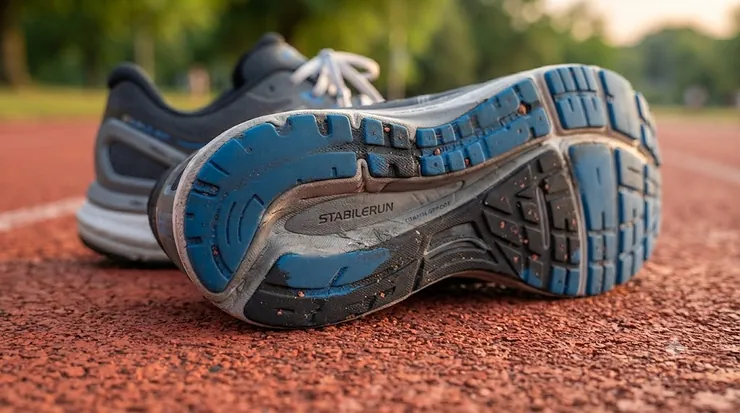
If your knees ache after long runs or your old sneakers wear out on the inside edge first, there’s a good chance you’re dealing with overpronation — and the wrong shoe is making it worse. Stability running shoes for men with overpronation are built with guide rails, dual-density foam, or geometric support systems that gently slow the inward roll of your foot after it strikes the ground, keeping your stride centered without locking it in place.
I’ve spent years rotating through stability trainers for marathon training, recovery walks, and everything in between, and I can tell you the category has changed a lot. Gone are the days of stiff, plasticky “motion control” shoes that fought your foot every step. Today’s best options feel almost neutral while still doing the structural work your ankles and knees need. Below, I’ve broken down seven real, currently available models — spanning budget, mid-range, and premium — along with exactly how to figure out which one fits your gait, your mileage, and your wallet.
Quick Comparison Table
| Shoe | Best For | Stability Style | Price Range |
|---|---|---|---|
| ASICS GT-1000 13 | Budget overpronators | Mild, geometric | Around $100-$110 |
| Saucony Guide 18 | Wide feet, everyday comfort | Mild, broad platform | $85-$150 range |
| Brooks Adrenaline GTS 25 | Most runners, daily training | Moderate, GuideRails | $150-$160 range |
| ASICS GT-2000 14 | Runners who want pace | Moderate, energetic | $140-$150 range |
| Hoka Arahi 8 | Lightweight stability seekers | Moderate, H-Frame | Around $150 |
| New Balance 860v15 | Wide/extra-wide feet, max cushion | Moderate, full-length plate | Around $150 |
| ASICS Gel-Kayano 33 | Severe overpronation, long miles | Maximum, dual-foam | Around $170 |
Looking at this lineup, the price-to-support ratio tells its own story: the ASICS GT-1000 13 delivers genuinely usable mild stability for under $110, while the Gel-Kayano 33 justifies its premium price with a dual-density midsole built for runners who need correction over 15-20+ mile weeks. If you’re walking more than running, the New Balance 860v15’s extra-wide option solves a fit problem that most competitors simply don’t address. Meanwhile, the Brooks Adrenaline GTS 25 sits in the sweet spot for sheer versatility, which is exactly why it’s been the category’s bestseller for over two decades.
💬 Just one click — help others make better buying decisions too!😊
Top 7 Stability Running Shoes for Men With Overpronation: Expert Analysis
1. ASICS GT-1000 13 — Best Budget Pick
The ASICS GT-1000 13 is the shoe I point budget-conscious beginners toward first, because it doesn’t feel like a budget shoe once it’s on your foot. It runs on FlyteFoam midsole cushioning with a 3D Guidance System that widens the base of the shoe rather than relying on a hard plastic post — in practice, that means you get a noticeably more stable platform under your heel without the stiff, clunky ride older budget stability shoes were known for. Rearfoot PureGEL adds a layer of shock absorption that’s about 65% lighter than ASICS’ older gel inserts, so the cushioning bump doesn’t come with a weight penalty.
What most buyers overlook here is the width: ASICS built this shoe noticeably broader than its neutral trainers specifically because heel strikers — who make up most overpronators — need that extra base to stay centered. Reviewers consistently note it holds up well for daily mileage in the 5K-to-20K range, with several calling out the improved durability over the previous generation as the standout upgrade.
✅ Lightweight for a stability shoe
✅ Wider platform than typical budget trainers
✅ APMA-recognized support for overpronation
❌ Below-average energy return for faster paces
❌ Breathability dipped slightly versus the prior version
Price: around $100-$110. Value verdict: if you’re new to stability shoes or running fewer than 20 miles a week, this is the smartest entry point in the entire category.
2. Saucony Guide 18 — Best for Wide Feet and Everyday Comfort
The Saucony Guide 18 swapped out old-school medial posts for what Saucony calls CenterPath technology — a broad platform with raised sidewalls that cradle the foot rather than pushing back against it. The practical effect is a shoe that feels less like it’s “correcting” you and more like it’s simply keeping you in your lane. At 6mm of drop and roughly 9.6 oz, it splits the difference between lightweight daily trainers and max-cushion stability shoes.
In my experience, this is the model to grab if you’ve found other stability shoes too narrow through the midfoot — Saucony offers it in both wide and extra-wide options, and the toe box has noticeably more volume than the Guide 17. Customer feedback frequently mentions all-day comfort for retail and nursing shifts, not just running, which tracks with how unobtrusive the support feels underfoot.
✅ Available in wide and extra-wide widths
✅ Roomy, breathable toe box
✅ Frequently discounted well below retail
❌ PWRRUN midsole lacks energy return for tempo work
❌ Durability concerns reported on the exposed forefoot foam
Price range: $85-$150 (frequently discounted from $150). Value verdict: among the best dollar-for-dollar buys when it’s on sale, especially for wider feet.
3.Brooks Adrenaline GTS 25 — Best Overall Pick
The Brooks Adrenaline GTS 25 has been the default recommendation for overpronators for more than two decades, and the 25th version refines rather than reinvents the formula. Its signature GuideRails system doesn’t try to actively correct your stride — instead, it sits passively on both sides of the midsole and only engages when your foot drifts outside its natural path, which is closer to how modern stability is supposed to work. The nitrogen-infused DNA Loft v3 foam adds 3mm in the forefoot and 1mm in the heel over the previous model, translating to a noticeably softer landing without feeling mushy.
What most buyers don’t realize is that this shoe is also a certified diabetic shoe (PDAC A5500) and carries the APMA Seal of Acceptance, which says something about how seriously Brooks engineers the fit around real foot mechanics, not just marketing claims. It’s the rare stability shoe that works equally well for marathon training, all-day walking, and recovering from a minor injury.
✅ GuideRails support feels natural, not forced
✅ APMA Seal of Acceptance and diabetic shoe certification
✅ Available in standard, wide, and extra-wide widths
❌ Heavier and bulkier than the GTS 23/24 generation
❌ Premium price compared to GT-1000 and Guide tiers
Price range: $150-$160. Value verdict: if you only buy one stability shoe this year, this is the safest, most broadly tested choice on the list.
4. ASICS GT-2000 14 — Best for Runners Who Want Pace
The ASICS GT-2000 14 is what I recommend to overpronators who still want to feel quick on tempo days. ASICS overhauled the midsole with full-length FF Blast Max foam — their lightest, most energetic compound — replacing the flatter-feeling FF Blast Plus from the GT-2000 13. A trampoline-style forefoot pod on the medial side adds a noticeable pop at toe-off, which is unusual for a shoe built around stability.
The 3D Guidance System keeps the wide base and supportive sidewalls that make this line dependable for overpronators, but the ride is genuinely livelier than the Adrenaline or GT-1000. Runners coming from older, stiffer GT-2000 generations consistently describe this version as feeling like a different, more modern shoe rather than a minor refresh — which lines up with ASICS’ own “kakumei” (revolution) framing of this update.
✅ Full-length FF Blast Max foam adds real energy return
✅ Excellent outsole durability in independent lab testing
✅ Versatile enough for tempo runs and daily mileage
❌ Toe box runs narrow and tapered for wider feet
❌ Dense upper limits breathability in warm weather
Price range: $140-$150. Value verdict: the best pick on this list for overpronators who refuse to give up speed.
5. Hoka Arahi 8 — Best Lightweight Stability Shoe
The Hoka Arahi 8 swapped its old J-Frame support system for a new H-Frame design that wraps support around both the medial and lateral sides of the midsole instead of just the inside. In practice, this means the correction feels more like a gentle, balanced cradle than a one-sided nudge, which is exactly why reviewers keep calling it the least “corrective-feeling” stability shoe in this price range. The stack height grew by 3mm over the Arahi 7, and the firmer EVA was swapped for a softer compound — a combination that adds real cushioning without sacrificing the shoe’s signature low weight.
What most buyers don’t expect from a stability shoe is how close to neutral this one feels. At roughly 9.3 oz for a men’s size 9, it’s genuinely light enough to use for longer tempo efforts, not just easy recovery miles, and the wider new last fixes a fit complaint that dogged earlier Arahi versions.
✅ One of the lightest stability shoes on the market
✅ H-Frame system offers balanced, two-sided support
✅ Smooth meta-rocker transition for walking and easy runs
❌ Poor breathability in hot, humid conditions
❌ Outsole grip is underwhelming on wet pavement
Price: around $150. Value verdict: ideal if your priority is a stability shoe that doesn’t feel like one.
6. New Balance 860v15 — Best for Wide and Extra-Wide Feet
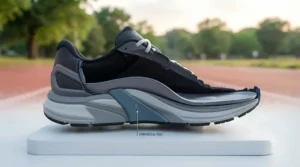
The New Balance 860v15 went all-in on cushioning, jumping from a 38mm/30mm stack to a substantial 43mm/35mm while dropping the heel-to-toe offset from 8mm to 6mm. That combination matters in practice: more foam under your heel means better protection on hard pavement, while the lower drop keeps the ride from feeling top-heavy or unstable despite the extra height. A full-length Stability Plane — sandwiched between two densities of Fresh Foam X — replaces the old-school medial post with support that’s felt more through the heel than forced through the forefoot.
The detail that sets this shoe apart from nearly everything else on this list is width selection: New Balance offers the 860v15 in Narrow, Standard, Wide, and Extra Wide, a range no other major stability shoe currently matches. That makes it the clear answer for overpronators who also deal with bunions, swelling, or simply wider-than-average feet.
✅ Four width options, including Extra Wide
✅ Tallest stack height in this lineup for maximum protection
✅ Reliable for podiatrist-recommended conditions like plantar fasciitis
❌ Noticeably heavier than the Arahi 8 or GT-2000 14
❌ Not built for faster-paced training
Price: around $150. Value verdict: the best choice on this list if standard widths have never fit you properly.
7. ASICS Gel-Kayano 33 — Best Premium Pick for Maximum Support
The ASICS Gel-Kayano 33 represents the biggest redesign in the Kayano line’s 30-plus-year history, replacing the long-running 4D Guidance System with a new FluidSupport platform built around two distinct foam densities — a softer FF Blast Max layer on top and a firmer FF Blast Plus layer underneath, with a small PureGEL pad under the heel. Instead of fighting your stride with a hard post, the shoe uses that foam contrast and a wider midsole shape to keep your foot centered, which is a more “natural-feeling” form of correction than ASICS has offered in this model before.
In my experience testing it back-to-back against the Kayano 32, this version trades a bit of the older model’s bounce for a more grounded, walking-friendly ride — which is exactly why doctors of running and physical therapists tend to recommend it for runners managing plantar fasciitis or posterior tibial tendon issues. At roughly 39mm of heel stack and an 8mm drop, it’s built for stacking long, steady miles rather than chasing a fast 5K.
✅ Dual-density foam delivers stability without a stiff ride
✅ Excellent for standing, walking, and high-mileage training
✅ Available in wide and extra-wide options
❌ Among the heaviest shoes in this lineup
❌ Less “fun” and responsive than the previous Kayano 32
Price: around $170. Value verdict: worth the premium if you have moderate-to-severe overpronation and log serious weekly mileage.
How to Choose Stability Running Shoes for Overpronation
Picking the right shoe comes down to matching the support level to your actual gait, not just grabbing whatever’s most popular. Here’s the process I walk friends through:
- Get a real gait check. Many running stores offer free treadmill gait analysis, and it’s far more reliable than the classic “wet footprint” test on your bathroom tile.
- Match support level to severity. Mild overpronators do well in geometric-stability shoes like the GT-1000 or Guide 18; moderate-to-severe cases benefit from heavier guidance systems like GuideRails or FluidSupport.
- Prioritize width before cushioning. A shoe that’s too narrow will undo any stability benefit because your foot can’t settle into the platform correctly.
- Consider your weekly mileage. Heavier mileage justifies spending more on durable, well-tested platforms like the Adrenaline GTS 25 or Gel-Kayano 33.
- Don’t ignore drop and stack height. Lower-drop shoes (6mm) suit midfoot strikers, while higher-drop shoes (8-10mm) tend to feel more natural for heel strikers.
- Try shoes later in the day. Feet swell during the day, so an afternoon fitting gives a more accurate read on true size and width needs.
Following that order — gait, severity, width, mileage, drop, timing — keeps you from overspending on features you don’t actually need or underspending on the one feature (usually width) that determines whether a shoe works at all.
Mild vs Moderate Overpronation Shoes for Men: What’s the Real Difference
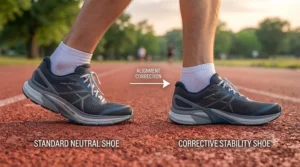
Mild overpronation typically shows up as slight inward rolling that mostly causes problems late in a run, once fatigue sets in. Shoes built for this level — the GT-1000 13, Saucony Guide 18, or GT-2000 14 — use geometry alone: a wider base, supportive sidewalls, and a sculpted midsole rather than a dedicated correction piece.
Moderate-to-severe overpronation involves a more pronounced and consistent inward roll, often paired with flatter arches or visible inward ankle lean even when standing still. Shoes built for this — the Adrenaline GTS 25, Arahi 8, 860v15, and Gel-Kayano 33 — add a true guidance structure: GuideRails, an H-Frame, a Stability Plane, or dual-density foam. The distinction matters because using a mild-support shoe for moderate overpronation often leaves runners feeling unsupported late in long runs, while using a heavy-correction shoe for genuinely mild overpronation can feel stiff and unnecessary.
Common Mistakes When Buying Stability Running Shoes
The single biggest mistake I see is buying based on the marketing term “stability” alone, without checking the actual support mechanism against your gait severity — a mismatch here is the root cause of most “this shoe didn’t work for me” reviews. A close second is ignoring width entirely; even the best guidance system can’t do its job if your foot is sliding around inside a too-narrow upper. Runners also frequently size down out of habit from dress shoes, when most stability trainers fit best with a half-size up to accommodate natural foot swelling on longer runs.
Another overlooked error is replacing a worn-out neutral shoe with a stability shoe (or vice versa) without re-checking gait first, since pronation patterns can shift slightly as strength, weight, or running surface change over time. Finally, plenty of buyers chase the newest model number purely for novelty — but as the GT-2000 13-to-14 jump shows, sometimes the older version that’s still in stock is functionally identical and considerably cheaper.
Features That Actually Matter (And Those That Don’t)
Width options and the underlying guidance mechanism matter most — these determine whether the shoe actually corrects your specific pronation pattern. Stack height and drop matter for comfort and stride feel but rarely make or break stability itself. APMA Seal of Acceptance and PDAC certification (as seen on the Adrenaline GTS 25) are legitimate trust signals, since they require actual biomechanical testing rather than just brand claims.
What matters far less than marketing suggests: exact gram weight differences under half an ounce, colorway-specific “performance” claims, and flashy outsole patterns that look aggressive but contribute little to real-world traction. If a listing leads with “advanced technology” language but can’t tell you where on the foot the support actually sits, that’s usually a sign the feature is more branding than function.
What to Expect: Real-World Performance
On the run, a well-matched stability shoe should feel almost invisible — you notice the support kicking in only when your form starts to break down late in a long run, not on every single step. Heel strikers will feel the biggest difference in the rearfoot, where most of these shoes concentrate their guidance systems; midfoot and forefoot strikers tend to notice support more subtly, mostly through the wider platform underfoot.
Expect a break-in period of roughly 10-15 miles before a new stability shoe truly feels “yours,” especially with firmer guidance systems like GuideRails or a Stability Plane. Don’t expect a stability shoe to fully eliminate joint discomfort on its own — pronation itself is a normal part of the gait cycle that helps the lower leg absorb shock, so the goal is reducing excess motion, not eliminating a natural movement pattern entirely.
Real-World Scenarios: Matching the Shoe to the Runner
The marathon-training commuter: If you’re logging 30+ miles a week and need a shoe that survives both training runs and the occasional all-day walk around the office, the Brooks Adrenaline GTS 25 or ASICS Gel-Kayano 33 are built for that kind of durability and all-day comfort.
The budget-conscious beginner: New to running and unsure if stability shoes are even necessary long-term? The ASICS GT-1000 13 lets you test the category without a major financial commitment, and it still carries genuine APMA-recognized support.
The wide-footed walker-runner: If you split your weekly activity between walking and easy running and have struggled to find shoes that don’t pinch, the New Balance 860v15’s four-width lineup solves a problem most competitors simply ignore.
The speed-curious overpronator: If you refuse to feel slow just because you need support, the ASICS GT-2000 14’s energetic FF Blast Max foam handles tempo days far better than traditional stability shoes ever have.
Practical Usage Guide: Break-In, Rotation, and Mileage Tracking
Start any new stability shoe with shorter runs (3-5 miles) for the first one to two weeks rather than jumping straight into a long run — this lets the guidance system “teach” your stride gradually instead of forcing an abrupt change. Track mileage from day one, since most stability shoes typically last between 300 and 500 miles, and the midsole can lose effective support well before the outsole looks worn out.
Rotating between two pairs — even two of the same model — extends usable life and gives the foam time to recover its shape between runs, which matters more for stability shoes than neutral ones since compressed guidance foam can’t correct as effectively. Finally, re-lace stability shoes with a runner’s loop at the top eyelet if you notice heel slippage; a secure heel lock is often the difference between a guidance system working as designed and your foot sliding past it entirely.
✨ Don’t Miss These Exclusive Deals!
🔍 Take your running game to the next level with these carefully selected stability shoes. Click on any highlighted item to check current pricing and availability. The right pair can help you build the consistent, comfortable miles your training deserves!
Stability Shoes vs Traditional Motion-Control Shoes
| Feature | Modern Stability Shoes | Traditional Motion-Control Shoes |
|---|---|---|
| Support Method | Geometry, dual-density foam, guide rails | Rigid medial post |
| Ride Feel | Close to neutral | Stiff, noticeably firm |
| Weight | Generally lighter | Heavier on average |
| Best For | Mild to moderate overpronation | Severe overpronation, flat feet |
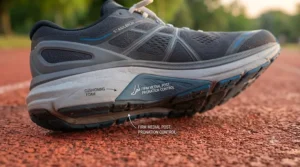
The shift away from rigid motion-control designs reflects updated thinking in the running shoe industry: pronation itself is a natural, necessary part of the gait cycle rather than a flaw to be eliminated outright, so modern shoes aim to guide rather than block that motion. For most overpronators, that means a shoe like the Adrenaline GTS 25 or Arahi 8 will feel more comfortable day-to-day; true motion-control designs are now mostly reserved for severe cases under direct guidance from a podiatrist or physical therapist, a distinction the American Podiatric Medical Association addresses in its footwear guidance for patients.
Long-Term Cost & Maintenance
Run the math on cost-per-mile rather than sticker price alone: a $110 ASICS GT-1000 13 lasting 350 miles works out to roughly 31 cents per mile, while a $170 Gel-Kayano 33 lasting 450 miles (thanks to its more durable dual-foam construction) comes out to about 38 cents per mile — a smaller gap than the upfront prices suggest. Heavier runners and high-mileage marathoners often save money long-term by buying the more durable premium options, since they replace shoes less frequently despite the higher initial cost.
Maintenance is minimal but matters: air-dry shoes rather than using direct heat, which breaks down midsole foam faster, and avoid tossing stability shoes in a washing machine, since that can warp the guidance structures built into the midsole. Replacing insoles around the halfway point of a shoe’s expected mileage is a low-cost way to extend the comfortable life of any of the seven models above.
Frequently Asked Questions
❓ How do I know if I overpronate?
❓ Can stability running shoes fix overpronation completely?
❓ How often should men with overpronation replace running shoes?
❓ Are stability running shoes for men with overpronation good for walking too?
❓ What's the difference between stability shoes and motion control shoes for men?
Conclusion
Overpronation isn’t a flaw to fix — it’s a gait pattern to support, and the right shoe makes that support feel invisible rather than restrictive. Across this list, the ASICS GT-1000 13 remains the smartest starting point for budget-conscious or new runners, the Brooks Adrenaline GTS 25 earns its reputation as the most broadly dependable daily trainer, and the ASICS Gel-Kayano 33 stands ready for runners who need serious, long-mileage correction.
If you’ve never had a proper gait analysis, that’s genuinely the best next step before buying anything on this list — even the best-reviewed shoe can disappoint if it’s mismatched to your specific pronation pattern. Once you know your gait, matching it to the right width, drop, and guidance system from the seven options above should get you running (or walking) more comfortably within a few weeks.
Recommended for You
- 7 Best Stability Running Shoes for Men in 2026
- 7 Best Men’s Neutral Shoes for Half Marathon in 2026
- Neutral Running Shoes for Men Under $150: 7 Best Picks for 2026Di
✨ Found this helpful? Share it with your friends! 💬🤗
