
In This Article
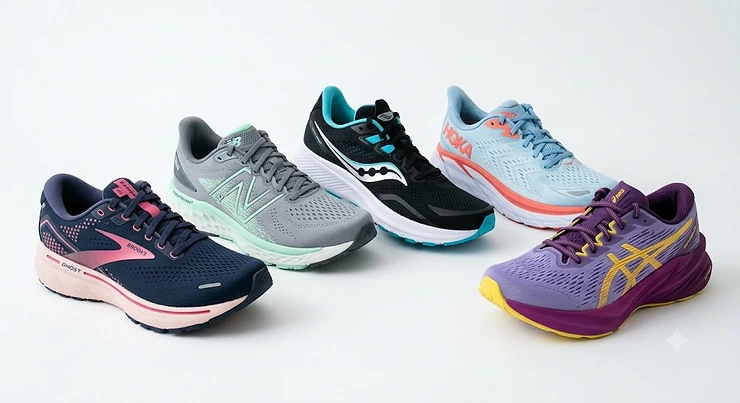
Neutral running shoes women under $130 sit in a strange sweet spot: cheap enough to feel like a smart buy, expensive enough that you don’t want to get it wrong. Neutral running shoes are trainers built for feet that don’t need extra arch support or motion-control wedges — they let your natural foot pronation cycle through its normal range, cushioning the landing without correcting it. That’s the textbook definition, and it matters, because half the shoes marketed as “neutral” quietly tack on stability posts that change how the ride feels underfoot.

I’ve spent the last few weeks buried in spec sheets, lab-tested stack heights, and hundreds of aggregated customer reviews to figure out which shoes in this price band actually deliver. Spoiler: a few of the biggest names don’t. Others — quieter, less-hyped models — punch way above their price tag. This guide walks through seven real shoes, what their midsole foam actually does for your knees, and where the marketing oversells the miles you’ll actually get. Whether you’re training for your first 5K or just tired of shin splints from a bargain-bin pair, you’ll leave with a shortlist that fits your budget and your gait — not just a spreadsheet of numbers you have to decode yourself.
Quick Comparison Table
Before we go deep on every shoe, here’s the 30-second version for anyone who just wants to scan and decide.
| Shoe | Price Range | Best For | Stack Height (Women’s) |
|---|---|---|---|
| ASICS GEL-Excite 11 | $65-$80 range | First-time runners on a tight budget | ~34mm heel |
| New Balance Fresh Foam Arishi v4 | $70-$90 range | Gym days and short walks | ~24mm heel |
| Nike Revolution 7 | $60-$75 range | Casual joggers who want a name brand | 31.5mm heel |
| New Balance Fresh Foam X 880v14 | $115-$135 range | Daily mileage without breaking the bank | 29mm heel |
| Saucony Ride 18 | $120-$140 range | Smooth, dependable long runs | 35mm heel |
| Brooks Ghost 16 | $125-$145 range | High weekly mileage and durability | 35.5mm heel |
| HOKA Clifton 11 | $135-$150 range | Max plushness on recovery days | roughly 32mm heel |
Looking at the spread, the ASICS GEL-Excite 11 and New Balance Fresh Foam Arishi v4 are the only two that comfortably clear the $130 ceiling with room to spare, while the HOKA Clifton 11 technically runs over budget most of the year and only dips under $130 during clearance windows. The middle of the table — Fresh Foam X 880v14, Saucony Ride 18, and Brooks Ghost 16 — is where most runners will actually land, since these three balance real cushioning with a price that doesn’t require waiting for a sale.
💬 Just one click — help others make better buying decisions too!😊
Top 7 Neutral Running Shoes for Women Under $130: Expert Analysis
Here’s the deep dive. Every shoe below is real, currently sold, and grounded in aggregated review data plus manufacturer and lab specs — not guesswork.
1. ASICS GEL-Excite 11 — most forgiving first running shoe
The GEL-Excite 11 earns its spot by doing the unglamorous thing well: cushioning a beginner’s stride without charging beginner-unfriendly money. ASICS bumped the heel stack height noticeably over the previous version, and independent lab testing measured it landing close to the 40mm World Athletics-style ceiling — a number you’d expect from a shoe twice this price. That’s not marketing fluff; more foam under the heel means more shock absorbed before it reaches your knees, which matters most in your first few months of running when your connective tissue is still adapting.
The AMPLIFOAM+ midsole is EVA-based rather than a premium supercritical foam, so don’t expect a springy “pop” off the ground — this is a shoe engineered for protection, not propulsion. Based on the spec comparison, it’s built for heel strikers logging easy-paced miles, not tempo workouts. Reviewers consistently report that the shoe fits true to size with a roomy toe box, and lab testers rated the outsole grip and stability as standout strengths for the price tier, while also flagging a flatter, less energetic ride than pricier siblings like the Novablast line.
Pros:
- ✅ Genuinely high stack height for a sub-$80 shoe
- ✅ Stable, wide platform that reassures new runners
- ✅ Durable outsole that holds up over hundreds of miles
Cons:
- ❌ Low energy return compared to premium foams
- ❌ Breathability lags behind more expensive uppers
Priced in the $65-$80 range, this is the shoe I’d point a first-time runner toward without hesitation — the value-per-dollar on cushioning alone is hard to beat.
2. New Balance Fresh Foam Arishi v4 — lightest budget pick for short mileage
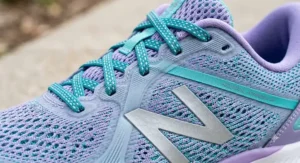
If the GEL-Excite is built for protection, the Arishi v4 is built for lightness. New Balance kept the stack modest — around 24mm in the heel with an 18mm low-profile forefoot — which shaves weight down to roughly 7.8 ounces but also means there’s noticeably less cushion underfoot than the other shoes on this list. What most buyers overlook about this model is that it was never designed as a long-distance daily trainer; it’s positioned as a crossover shoe for gym sessions, treadmill walks, and short easy jogs.
Independent testers noted the outsole traction and flexible forefoot flex grooves make it genuinely useful for cross-training and light lifting days, though the near-absent forefoot padding becomes a real limitation once you’re past a few miles. On paper, this makes the Arishi v4 less of a “running shoe” in the marathon-training sense and more of an everyday athletic shoe that happens to run fine for short distances. Aggregated reviews frame it as reliable and comfortable for all-day wear, with the recurring caveat that serious mileage exposes its cushioning limits fast.
Pros:
- ✅ Among the lightest shoes in this entire price bracket
- ✅ Grippy, flexible outsole great for gym cross-training
- ✅ Budget-friendly even before any sale
Cons:
- ❌ Minimal forefoot cushioning limits long-run comfort
- ❌ Not built for high-mileage training weeks
Expect to pay in the $70-$90 range — a smart pick for walkers and short-distance joggers, less so for anyone chasing a half-marathon PR.
3. Nike Revolution 7 — best-known name at the lowest price
Nike’s budget workhorse gets you the swoosh without the swoosh tax. Lab measurements put the heel stack at 31.5mm with a firm 10mm-drop EVA midsole, and testers were blunt about what that means in practice: this is a shoe engineered for heel strikers who want basic protection, not a soft or springy ride. The generic foam formula returned one of the lower energy-return scores tested among budget trainers, so here’s what to weigh — you’re paying for the Nike name and a roomy, breathable mesh upper, not cutting-edge cushioning technology.
Reviewers frequently praise the wide toe box and true-to-size fit, calling out the shoe as comfortable for daily wear and casual jogging. On the flip side, aggregated feedback and lab durability testing both flagged the outsole as a weak point, with one head-to-head durability protocol rating it among the least abrasion-resistant soles in its class. Based on the spec comparison, if you’re logging serious weekly mileage, the thinner forefoot stack (21mm) will likely feel underwhelming past the first few miles — this is better suited to casual runners and errand-day wear than marathon training blocks.
Pros:
- ✅ Lowest price point of any shoe on this list
- ✅ Spacious, breathable toe box for wider feet
- ✅ Recognizable brand with wide retail availability
Cons:
- ❌ Weak outsole durability in independent testing
- ❌ Firm, low-energy-return ride on longer runs
At around the $60-$75 range, it’s an easy entry point, but reviewers and lab data agree it’s best treated as a casual trainer rather than your only pair.
4. New Balance Fresh Foam X 880v14 — best all-rounder near the ceiling
The 880v14 is the shoe I’d call the “boring choice” in the best possible way — reliable, well-reviewed, and engineered for exactly the kind of daily mileage most runners actually log. New Balance switched to a single-piece Fresh Foam X midsole this generation, dropping the old dual-layer construction, and the result is a lighter shoe (about 7.4 ounces in a women’s size 7) with more usable stack height: 29mm in the heel and 21mm in the forefoot for a moderate 8mm drop.
Here’s what the spec sheet won’t tell you, but reviewers note repeatedly: this shoe seems to quietly become someone’s forever pair. Long-term owners across multiple retailers describe switching between the 880 and pricier options from ASICS, HOKA, and Brooks, then coming back to the 880 because the ride strikes a balance — cushioned without feeling mushy, supportive without needing a stability post. The engineered mesh upper uses recycled Repreve content, which is a nice sustainability footnote rather than a performance differentiator. A recurring theme in aggregated feedback is sizing inconsistency between versions, so runners moving from the 880v13 should expect a slightly different fit.
Pros:
- ✅ Balanced cushioning that suits daily training miles
- ✅ Lighter than the previous dual-layer midsole version
- ✅ Frequently cited as a long-term go-to by repeat buyers
Cons:
- ❌ Sizing has shifted between recent versions
- ❌ Narrow-width options are harder to find in stock
Typically found in the $115-$135 range, this one sits right at the budget’s edge — worth grabbing when it’s comfortably under $130, since the ride quality easily competes with shoes $20-$30 more expensive.
5. Saucony Ride 18 — smoothest ride for consistent weekly mileage
Saucony didn’t chase the maximalist stack-height trend with the Ride 18, and that restraint is exactly the point. The reworked PWRRUN+ midsole trims weight to about 8.2 ounces in a women’s size 8 while keeping a 35mm heel / 27mm forefoot stack and an 8mm drop — enough cushioning to blunt repetitive impact without feeling like you’re running on a mattress. Multiple independent test teams logging real mileage described the ride as smooth, dependable, and slightly firmer in the forefoot than the softest shoes in this guide.
Based on the spec comparison, that firmness is a feature, not a flaw, for runners who want more ground feedback during faster efforts while still getting daily-trainer protection on easy days. Reviewers consistently flag the engineered mesh upper as a genuine upgrade this generation, with a more secure, breathable fit than the prior model, and a median lifespan estimate from independent testers landing around 450 miles — solidly average for this shoe category. A common complaint in user reviews is a narrower forefoot fit that doesn’t suit wider feet as well as some competitors, though Saucony does offer a wide (2E) version to address it.
Pros:
- ✅ Reworked midsole feels lighter without losing protection
- ✅ Reliable ~450-mile independent durability estimate
- ✅ Available in wide widths for broader fit needs
Cons:
- ❌ Standard width runs narrow through the forefoot
- ❌ Ride feels firmer than plush-cushioned competitors
Prices land in the $120-$140 range depending on colorway and retailer, making it a strong pick for runners who prioritize a proven daily trainer over a trendy one.
6. Brooks Ghost 16 — the workhorse built for high mileage
The Ghost series has a reputation for a reason, and the 16th version leans into it rather than reinventing the shoe. Brooks fully switched to a nitrogen-infused DNA Loft v3 midsole, a supercritical foam that’s more responsive than the version it replaces because it retains its shape better under repeated compression — in practical terms, that means less “dead” feeling foam by mile 300 compared to older Brooks models. Independent lab testing measured a 35.1mm heel stack and 22.8mm forefoot stack, with energy return scores crossing the 60% threshold for the first time in this shoe’s recent history.
What most buyers overlook about the Ghost 16 is how much of its reputation rests on the outsole, not just the foam. Brooks’ new RoadTack rubber compound, combined with the segmented Crash Pad design, delivered strong wet and dry traction scores in independent grip testing — a genuinely useful detail if you run through unpredictable weather. Reviewers consistently describe it as a “do-everything” shoe suited to beginners and experienced runners alike, praising its availability in narrow, standard, and wide fits. The trade-off, per lab commentary, is that it doesn’t offer much in the way of unique geometry or a distinctive ride — this is a shoe that does the fundamentals extremely well without surprising you.
Pros:
- ✅ Updated foam holds its shape better over high mileage
- ✅ Strong wet and dry traction in lab grip testing
- ✅ Available across narrow, standard, and wide widths
Cons:
- ❌ Ride feels familiar rather than innovative
- ❌ Sits at or slightly above the $130 mark most of the year
Expect a $125-$145 range at most retailers, with occasional dips into the $120s during seasonal promotions — worth watching if you’re mileage-focused and patient.
7. HOKA Clifton 11 — the plush splurge worth chasing on sale
The Clifton is the one shoe here that regularly runs over $130, so I’m including it as the “save up or wait for a sale” pick rather than a default buy. HOKA’s signature move — a wide toe box paired with an Active Foot Frame that cradles the foot — remains the calling card, and the abundant EVA foam cushioning genuinely lives up to its pillow-like reputation according to long-time daily-trainer reviewers. The rocker geometry is designed to guide your foot through toe-off rather than relying on your ankle to do the work, which is part of why HOKA shoes feel different from a flatter platform like the Ghost or Ride.
Here’s what to weigh: the extra foam and structured upper pushed the women’s weight to 8.3 ounces, heavier than the previous Clifton generation, and reviewers are split on whether the comfort trade-off is worth the added heft. Based on aggregated feedback, most owners say yes — particularly runners managing joint sensitivity who want maximum shock absorption on recovery days. If you’re chasing pace or a lighter overall shoe, this isn’t your pick; if you want to feel like you’re running on a cloud after a long week, it’s hard to beat.
Pros:
- ✅ Exceptionally plush, joint-protective cushioning
- ✅ Wide toe box accommodates a broader range of foot shapes
- ✅ Rocker design smooths the toe-off phase of your stride
Cons:
- ❌ Heavier than the prior Clifton generation
- ❌ Regularly priced above the $130 budget ceiling
Typically $135-$150, this one occasionally dips into the $125-$135 range during major seasonal sales — check current price before assuming it’s out of range.
Practical Usage Guide: Breaking In and Maintaining Your New Shoes
A new pair of neutral running shoes isn’t ready to log a long run on day one, no matter how good the reviews are. Start with two or three short easy runs — 2 to 3 miles — to let the midsole foam begin its natural break-in compression cycle and to catch fit issues (hot spots, heel slip, a too-narrow toe box) before you’re committed to a longer effort. This is especially true for firmer-riding shoes like the Ride 18 or Revolution 7, where the foam softens slightly with early use.
Rotate two pairs if your budget allows it. Alternating shoes gives each pair roughly 24-48 hours for the midsole foam to fully decompress between runs, which independent shoe-testing labs have repeatedly found meaningfully extends usable lifespan compared to running in the same pair daily. If a single pair is all you’ve got, keep a basic maintenance routine: air-dry wet shoes away from direct heat (which breaks down foam and adhesives faster), remove insoles after sweaty runs to dry them separately, and check the outsole tread every few weeks for uneven wear patterns that might signal a gait issue worth addressing.
The most common first-30-days mistake is judging a shoe on one bad run. A tight lacing job, a hot day, or a rough sleep the night before can make a genuinely good shoe feel wrong. Give any new pair at least 15-20 miles before deciding it’s not for you — and if something still feels off by then, that’s real signal, not bad luck.
Real-World Scenarios: Matching the Shoe to Your Running Life
Picture three different runners and you’ll see why “best shoe” is the wrong question — “best shoe for you” is the right one.
If you’re a college student training for your first 5K on a tight budget, the ASICS GEL-Excite 11 or New Balance Fresh Foam Arishi v4 makes sense: low financial risk while you figure out whether running frequency, mileage, and gait preferences that justify a pricier shoe down the line.
If you’re a working parent squeezing in 20-25 weekly miles around a job and school pickups, the New Balance Fresh Foam X 880v14 or Saucony Ride 18 fits the profile — durable enough for consistent mileage, priced low enough that replacing them every 400-500 miles doesn’t sting.
If you’re training for a half-marathon and logging 35+ miles a week on pavement, the Brooks Ghost 16 is built for exactly that volume, with the traction and midsole durability to handle it, while the HOKA Clifton 11 earns its keep as a recovery-day rotation shoe when your joints need the extra cushioning after a hard long run.
Problem → Solution: Fixing Common Fit and Comfort Complaints
Problem: Toe box feels cramped. Reviewers across multiple models flag this most often with the Nike Revolution 7’s narrower siblings and some Saucony Ride widths — the fix is sizing up half a size or choosing a brand known for a wider forefoot, like the HOKA Clifton 11 or ASICS GEL-Excite 11.
Problem: Shoe feels dead by month two. This usually means foam compression outpacing your mileage rotation. Solution: alternate two pairs, or choose a supercritical foam model like the Brooks Ghost 16, which independent testing shows retains its shape longer than standard EVA.
Problem: Heel slips during runs. Before blaming the shoe, re-lace using a heel-lock (runner’s loop) technique. If slipping persists, models with reinforced heel counters like the Ghost 16 or Ride 18 tend to solve this better than lighter, less-structured shoes like the Arishi v4.
Problem: Shin or knee soreness after switching shoes. A sudden change in stack height or drop changes how impact travels up your leg. Solution: transition gradually between very different stack heights (say, from the Arishi v4’s 24mm to the Clifton 11’s 32mm) over two to three weeks rather than making the jump on a long run.
How to Choose Neutral Running Shoes for Women
- Confirm you actually pronate neutrally. A wet-footprint test or a gait analysis at a specialty running store rules out whether you need stability features instead.
- Match stack height to your mileage goals. Higher stacks (32mm+) suit recovery runs and joint protection; moderate stacks (27-30mm) suit daily training; lower stacks (under 25mm) suit short, fast efforts.
- Check the drop against your strike pattern. Heel strikers generally do well with 8-12mm drops; midfoot and forefoot strikers may prefer lower drops.
- Weigh width options early. Don’t discover a too-narrow toe box after the return window closes — check if your preferred model offers wide sizing.
- Read aggregated review themes, not star ratings alone. A 4.5-star average can hide a recurring durability complaint that matters more to you than it did to other reviewers.
- Budget for replacement, not just purchase. A shoe that costs $20 more but lasts 150 extra miles is often the better long-term value.
- Buy from a retailer with a real return policy. Fit issues are common enough that flexible returns matter more than saving a few dollars.

Common Mistakes When Buying Neutral Running Shoes
The single biggest mistake is buying based on what a friend swears by rather than your own gait and mileage goals — a shoe that’s perfect for a lightweight forefoot striker can feel completely wrong for a heavier heel striker, no matter how many five-star reviews it has. A close second is ignoring width. Reviewers across nearly every model in this guide mention sizing and width inconsistencies between versions, so assuming your old size in a new release is a common and avoidable error.
Runners also frequently underestimate durability differences. A shoe priced $15 cheaper but wearing out 100 miles sooner isn’t actually the better deal — that’s where cost-per-mile thinking, covered later in this guide, becomes genuinely useful. Finally, plenty of buyers chase the newest release without checking whether the update actually changed anything relevant to them; some version jumps (like the Ghost 16’s new foam) matter enormously, while others are largely cosmetic.
Neutral vs Stability Running Shoes: What’s Really Different
| Feature | Neutral Shoes | Stability Shoes |
|---|---|---|
| Best For | Runners with a normal, neutral pronation pattern | Runners with moderate-to-severe overpronation |
| Midsole Design | Uniform foam density throughout | Firmer foam wedge (medial post) on the inner side |
| Ride Feel | Free, natural stride movement | Guided, corrective stride movement |
| Weight | Generally lighter | Generally slightly heavier |
| Injury Risk If Mismatched | Can worsen overpronation-related injuries | Can feel overly restrictive for neutral gaits |
The core distinction isn’t marketing — it’s the midsole itself. Stability shoes build in a firmer wedge of foam along the arch side to resist inward ankle roll, while every shoe in this guide keeps foam density consistent across the whole platform, letting your foot move through its natural range. Research on foot pronation and running kinetics has found that pronation patterns interact with body weight and gait mechanics in ways that are highly individual, which is exactly why a generic “neutral vs. stability” label shouldn’t replace an actual gait assessment. If you’ve been told by a podiatrist or gait analysis that you overpronate significantly, none of the seven shoes above are the right call, however much you like the colorway — a Brooks Adrenaline GTS or ASICS GT-2000 in the stability category would serve you better.
What to Expect: Real-World Performance Beyond the Spec Sheet
Stack height and drop numbers are useful shorthand, but they don’t tell you how a shoe feels at mile eight on a humid Tuesday. In practice, higher-stack shoes like the Clifton 11 genuinely do reduce that end-of-run ache in your knees and hips, but they also make you feel slightly less connected to the ground, which some runners interpret as reduced confidence on uneven surfaces. Firmer, lower-stack shoes like the Ride 18 or Revolution 7 give you more direct ground feedback, useful for tempo work, but that same feedback becomes fatigue faster on longer efforts.
Breathability numbers rarely show up on a spec sheet at all, yet they matter enormously in humid climates or summer training blocks — aggregated reviews suggest the pricier engineered mesh uppers (Ghost 16, Ride 18, 880v14) breathe noticeably better than the more basic mesh on budget models like the Revolution 7. And outsole grip, tested formally in wet and dry lab conditions for a couple of these shoes, translates directly into real confidence on rain-slicked sidewalks — not a small thing if you run year-round in a place with unpredictable weather. RunRepeat’s lab-tested neutral shoe guide is a useful cross-reference if you want to compare these grip and energy-return numbers against shoes outside this specific budget tier.
Cost Per Mile: The Number That Actually Matters
Sticker price tells you what you pay today. Cost per mile tells you what you’re actually paying for the miles you run — and it’s the metric serious runners should care about far more than the number on the box. Premium neutral trainers have crept toward the $130-$170 range over the past couple of years as material costs and R&D spending have risen, but that bump has generally come with real durability gains, not just a higher price tag.
| Shoe | Price Range | Estimated Lifespan | Approx. Cost Per Mile* |
|---|---|---|---|
| ASICS GEL-Excite 11 | $65-$80 | 300-350 miles | ~$0.21-$0.23 |
| Nike Revolution 7 | $60-$75 | 250-300 miles | ~$0.23-$0.25 |
| New Balance Fresh Foam X 880v14 | $115-$135 | 400-450 miles | ~$0.28-$0.30 |
| Saucony Ride 18 | $120-$140 | 400-450 miles | ~$0.29-$0.31 |
| Brooks Ghost 16 | $125-$145 | 450-500 miles | ~$0.27-$0.29 |
*Estimates based on independently reported median lifespans; actual mileage varies with body weight, running surface, and storage conditions.
The takeaway here cuts against instinct: the cheapest shoe on the shelf isn’t always the cheapest per mile. The Brooks Ghost 16 costs roughly twice as much upfront as the Nike Revolution 7, but its longer estimated lifespan means the actual cost of each mile you run is comparable, or even slightly better once you factor in fewer replacement purchases per year. If you’re logging under 10 miles a week, the math favors cheaper shoes since you’ll replace them less urgently either way; frequent runners save real money over a year by choosing the more durable option even at a higher sticker price.
✨ Ready to find your perfect fit? Compare current prices before your next run!
✨ Don’t Miss These Exclusive Deals!
🔍 Take your running gear to the next level with these carefully selected shoes. Click on any highlighted pick to check current pricing and availability. These trainers will help you build a comfortable, consistent running habit your knees will thank you for!
Amazon Prime Deals & Seasonal Sales: Timing Your Purchase Right
Running shoe pricing follows a predictable rhythm if you know where to look. Amazon Prime shopping events, which typically run in July and again around the winter holidays, are consistently when several models on this list — particularly the Brooks Ghost 16 and HOKA Clifton 11 — dip closest to or under the $130 mark. Outside of major Prime sales windows, seasonal clearance also tends to cluster around two points in the year: late spring, when brands clear inventory ahead of new fall releases, and post-holiday January, when retailers reset stock for the new year.
A practical habit worth building: check current price rather than assuming a listed price is accurate, since running shoe pricing shifts often even outside of named sale events. It’s also worth comparing the same model across a couple of authorized retailers rather than assuming Amazon always has the lowest number — sometimes a brand’s own outlet site or a specialty running store beats it. None of this means waiting indefinitely if you need shoes now; it just means a little timing awareness can turn a $145 pair into a genuinely under-$130 purchase without any guesswork.
Best Value Picks: Affordable Neutral Running Shoes Compared
For runners specifically hunting the best budget neutral shoes women can buy right now, the ASICS GEL-Excite 11 stands out as the strongest overall value — genuinely high stack height cushioning at a price under $80 is a rare combination backed by real lab testing, not just marketing copy. The New Balance Fresh Foam Arishi v4 earns its place as the best value pick specifically for non-running use: gym sessions, walking, and short jogs, where its lighter build is a strength rather than a limitation.
If you’re deciding between the two purely on affordable neutral running shoes women criteria, the GEL-Excite 11 wins for anyone actually training toward running goals, while the Arishi v4 wins for anyone prioritizing all-day comfort over mileage capacity. Both undercut the $130 ceiling comfortably enough to leave room in the budget for a second pair, extra socks, or that heel-lock lacing tutorial worth bookmarking.
Frequently Asked Questions
❓ What's the difference between neutral and cushioned running shoes?
❓ Can I run a marathon in a shoe under $130?
❓ How often should I replace neutral running shoes?
❓ Are wide-width neutral running shoes available under $130?
❓ Do neutral running shoes work for walking too?
Conclusion
Choosing among neutral running shoes women under $130 comes down to matching real specs to your real mileage, not chasing the shoe with the loudest marketing. The ASICS GEL-Excite 11 and New Balance Fresh Foam Arishi v4 cover budget-conscious beginners and cross-trainers with real cushioning credentials behind the low price. The New Balance Fresh Foam X 880v14, Saucony Ride 18, and Brooks Ghost 16 sit in the sweet spot most runners actually need — durable, well-reviewed daily trainers priced at or just under the $130 line. And the HOKA Clifton 11, while it usually runs a bit over budget, is worth tracking through seasonal sales if plush recovery-day comfort matters to you.
None of these shoes are the “best” in isolation — they’re the best for a specific runner, a specific gait, a specific weekly mileage. Use the cost-per-mile numbers, the fit notes, and the real reviewer themes above to narrow your list, then try them on before committing to a training block. Your knees, and your wallet, will both notice the difference.
✨ Found a pair that fits your stride? Check current pricing before they sell out of your size!
Recommended for You
- 7 Best Neutral Running Shoes for Women Beginners (2026 Picks)
- 7 Best Neutral Running Shoes for Women with High Arches (2026)
- 7 Best Neutral Running Shoes for Women in 2026
Disclaimer: This article contains affiliate links. As an Amazon Associate, I earn from qualifying purchases. If you purchase products through these links, we may earn a small commission at no additional cost to you.
✨ Found this helpful? Share it with your friends! 💬🤗
